
Garden Lighting Ideas: A Practical Guide
Illuminate your garden beautifully with solar, LED, and low-voltage lighting options for paths, patios, and features.
This article contains affiliate links. We may earn a commission at no extra cost to you.
Quick Summary
Illuminate your garden beautifully with solar, LED, and low-voltage lighting options for paths, patios, and features. Solar, LED, and low-voltage lighting options for paths, patios, features, and security — with installation tips.
Introduction
Garden lighting extends your outdoor living hours, enhances safety, and creates atmosphere that transforms your space after dark. The right lighting makes a modest garden feel magical. This guide covers the main lighting types, where to place them, and how to choose between solar, LED, and mains-powered options.
Types of Garden Lighting
Solar Lights
Free to run, easy to install, no wiring needed. Best for decorative path markers and ambient lighting. Performance varies — choose brands with good reviews.
LED Low-Voltage
Brighter and more reliable than solar. Run from a transformer, so safe for DIY installation. Excellent for spotlights, path lights, and feature lighting.
Mains-Powered
Brightest and most reliable. Requires a qualified electrician to install. Best for permanent security lighting and high-output feature lights.
Festoon/String Lights
Perfect for dining areas and entertaining spaces. Warm, ambient glow. Choose LED bulbs for longevity and energy efficiency.
Where to Place Garden Lights
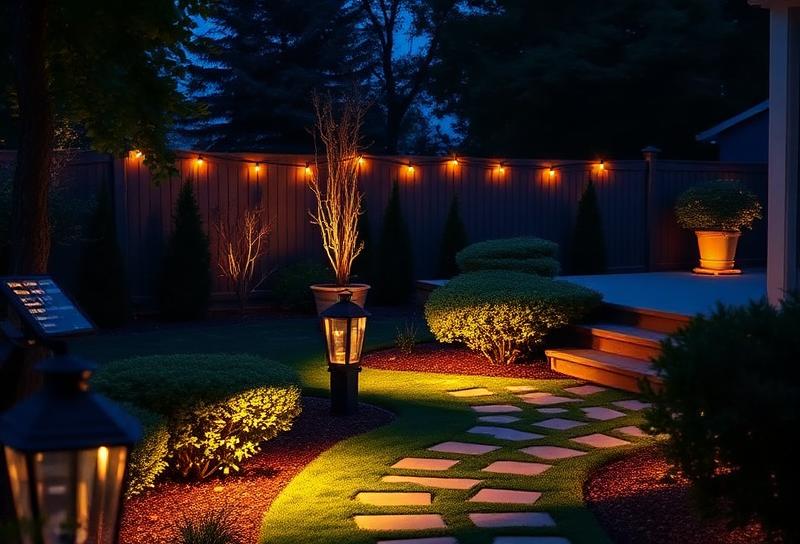
- ✓ Along paths and steps for safety — use low-level markers every 2–3 metres
- ✓ Uplighting on feature trees and architectural plants creates drama
- ✓ Downlighting from pergolas or walls mimics natural moonlight
- ✓ Under-bench or under-deck lights add subtle, sophisticated glow
- ✓ Spotlights on water features create reflections and movement
- ✓ Dining areas need warm overhead lighting — string lights or festoons
- ✓ Security lights near gates, doors, and dark corners — use PIR sensors
Lighting Design Tips
Less is more with garden lighting. Light key features, not everything. Use warm white (2700K–3000K) for atmosphere and cool white (4000K+) for security only. Layer your lighting — combine path markers, feature uplighters, and ambient festoons for a professional look. Use timers or smart plugs to automate your lighting schedule. Always buy IP65-rated or higher for outdoor use.
Choosing the Right Products
For a complete garden lighting setup, start with a low-voltage LED kit that includes a transformer, cable, and a selection of spotlight and path light fittings. Top brands include Philips Hue Outdoor, Gardenertools, and EGLO. A basic kit for a small garden starts from around £50–£100.
View Best Garden Lighting on AmazonRecommended Buying Guides
Looking for the right products? These guides have you covered:
Browse Outdoor Living on Amazon"The most common lighting mistake is over-lighting. A garden needs shadows to create depth and mystery. Light the features, let the rest breathe."
— Sarah Mitchell, Home Gardening Pedia
Frequently Asked Questions
Are solar garden lights any good?
Modern solar lights are much better than older models, but they're still weather-dependent. For reliable illumination, choose solar with large panels and lithium batteries. For critical lighting (paths, steps), use LED low-voltage.
Can I install garden lighting myself?
Solar and low-voltage LED lighting can be installed as a DIY project. Mains-voltage (240V) outdoor lighting must be installed by a qualified electrician and may require Part P building regulations sign-off.
How much does garden lighting cost?
A basic solar path light set costs £15–£30. A quality LED low-voltage system for a small garden runs £100–£300. Professional mains installation costs £500–£2,000+ depending on complexity.
Related Reading
Written by
Sarah Mitchell
Senior Gardening Editor
Sarah has been gardening for over 15 years and holds an RHS Level 3 qualification. She specialises in organic growing methods and small-space gardening.
Related Articles
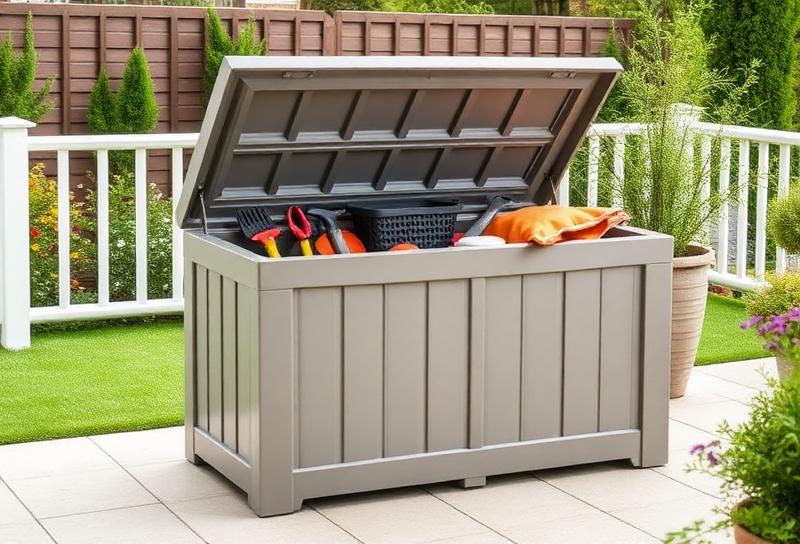
Best Outdoor Storage Boxes for Garden Tools
Keep your garden tidy and tools protected. We compare waterproof deck boxes and tool stores for every garden size.
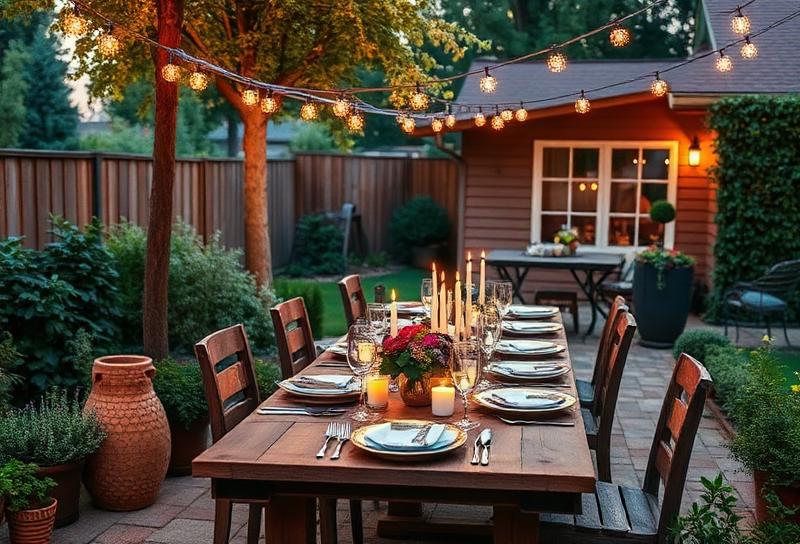
How to Create the Perfect Outdoor Dining Area
From choosing furniture to lighting and layout, everything you need to build an inviting alfresco dining space.
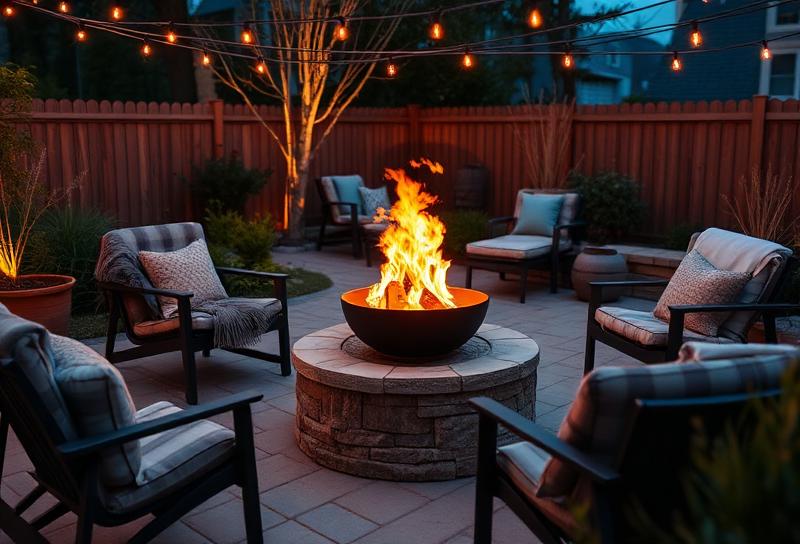
Fire Pits: Your Complete Buyer's Guide
Wood-burning, gas, or bioethanol? We break down the best fire pit options for cosy garden evenings.