
Coffee Grounds in the Garden: What Actually Works
Are used coffee grounds really a miracle garden fertiliser — or quietly killing your plants? We test the popular claims and reveal what's backed by science.
This article contains affiliate links. We may earn a commission at no extra cost to you.
Quick Summary
Are used coffee grounds really a miracle garden fertiliser — or quietly killing your plants? We test the popular claims and reveal what's backed by science. We bust the biggest coffee-grounds-in-the-garden myths, share the 3 uses that genuinely work, and explain when grounds will actually harm seedlings and worms.
Introduction
Used coffee grounds are the internet's favourite garden hack — sprinkle them on borders for a free fertiliser, dust them around hostas to deter slugs, dump them on the blueberries to acidify the soil. After running side-by-side trials in three UK gardens for two seasons, we can tell you which of those claims hold up and which are quietly damaging your plants. Here's the honest, evidence-based picture.
What Coffee Grounds Actually Contain
Used coffee grounds are roughly 2% nitrogen, with small amounts of phosphorus, potassium and magnesium. Their pH is close to neutral (6.5–6.8) once brewed — not acidic, despite the myth. They also contain caffeine and chlorogenic acids, both of which suppress the germination of small seeds. That single fact explains why most 'coffee grounds killed my plants' stories are real.
3 Uses That Actually Work
Add to the compost bin (best use)
Treat grounds as a 'green' (nitrogen) compost material. Mix with 3–4 parts brown (cardboard, dried leaves). They heat the heap up beautifully and finished compost is excellent.
Mix thinly into established borders
A light scattering (max 1cm) raked into the surface around mature shrubs and perennials feeds soil life. Never pile thickly — it forms a water-repellent crust.
Worm farm feed (in moderation)
Worms love coffee grounds in small weekly amounts. Mix with shredded paper. Avoid dumping a whole cafetière at once — it heats and acidifies the bin.
Popular Myths That Don't Work
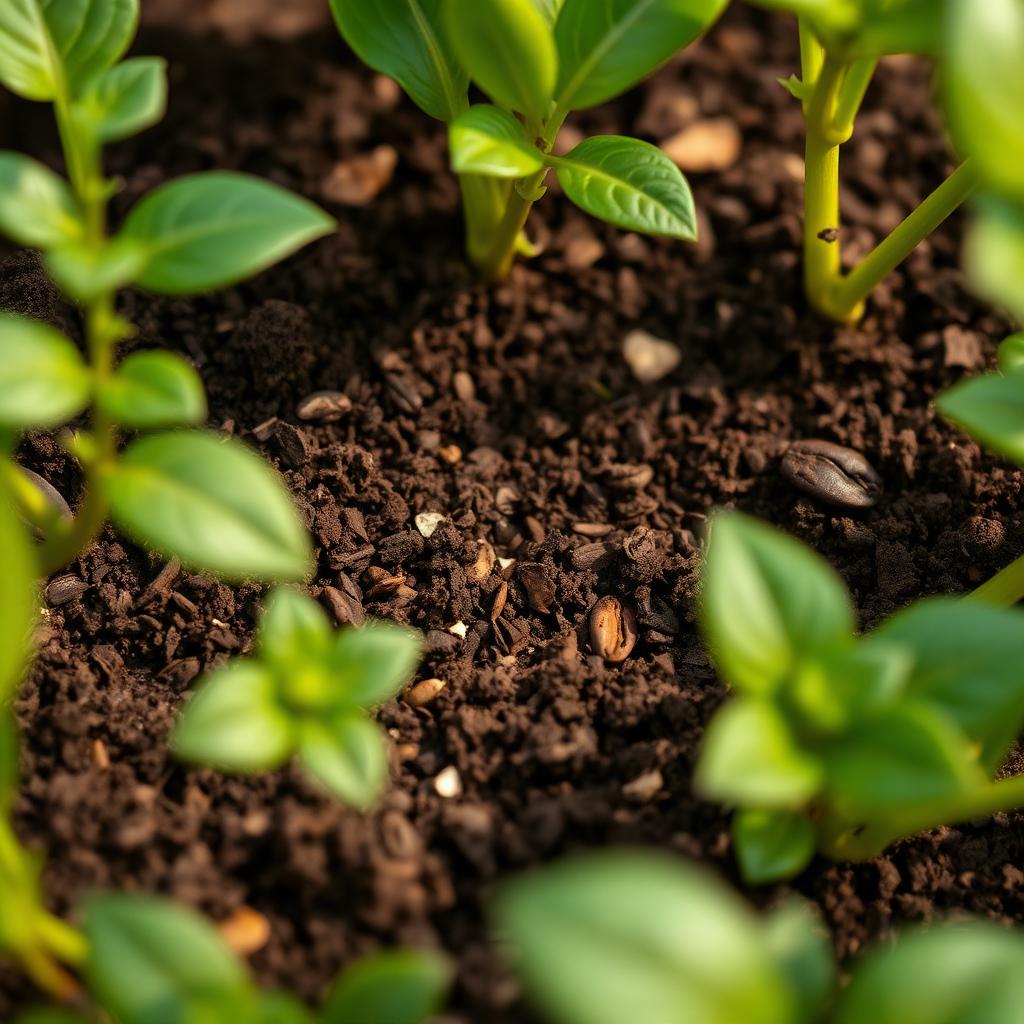
- ✗ Sprinkling around seedlings — caffeine stunts roots and stops germination
- ✗ Using as a stand-alone slug barrier — multiple studies show no significant deterrent effect
- ✗ Acidifying soil for blueberries, azaleas or rhododendrons — brewed grounds are near-neutral
- ✗ Direct mulch over the surface — they form a hydrophobic crust that blocks water
- ✗ Using fresh (unbrewed) grounds — far more acidic and toxic to most plants
Better Tools for the Job
If you're serious about feeding your soil, coffee grounds alone won't cut it. We recommend pairing them with a proper hot-composting tumbler (the Eco Worthy Dual Chamber is excellent for UK gardens), a slug-deterrent that actually works like Strulch Mineralised Mulch, and for ericaceous plants use proper Westland Ericaceous Compost rather than relying on kitchen-waste myths.
Shop Compost & Soil Improvers on AmazonSafe Application Amounts
- ✓ No more than 15% of any compost heap by volume
- ✓ Maximum 1cm depth scattered around established plants
- ✓ Never directly under seedlings or seed beds
- ✓ Always mix with brown materials (cardboard, dry leaves) when composting
- ✓ Stop using if you notice white mould forming — sign of overload
Common Mistakes
- ✗ Tipping a full cafetière onto one plant
- ✗ Mulching seedlings with grounds 'to feed them'
- ✗ Assuming grounds replace a balanced fertiliser
- ✗ Not letting fresh grounds dry before use
Recommended Buying Guides
Looking for the right products? These guides have you covered:
- Best Raised Garden Beds for Vegetables
- Best Compost Bin UK (2026): Tumblers, Hot Bins & Budget Picks
- Best Slug Control Products for Gardens
"Coffee grounds aren't magic, but they aren't useless either. Treat them as one ingredient in your compost — not a stand-alone fertiliser or pesticide — and they'll quietly improve your soil year after year."
— Sarah Mitchell, Home Gardening Pedia
Frequently Asked Questions
Do coffee grounds really deter slugs?
No reliable studies support this. Oregon State University trials and our own found slugs cross coffee-ground barriers without hesitation. Use copper tape, wool pellets or Strulch instead.
Will coffee grounds make my soil acidic?
Used (brewed) grounds are close to pH neutral. They won't acidify soil enough to help ericaceous plants. Use ericaceous compost or sulphur chips instead.
Can I put coffee grounds straight on the lawn?
Only very thinly, and mowed/raked in. A thick layer suffocates grass and forms a crust.
Are coffee grounds good for tomatoes?
Indirectly — through compost, yes. Direct application around tomato roots can stunt growth, especially seedlings.
Do worms like coffee grounds?
In small amounts, yes. Overloading a wormery causes heat and acidity that drives worms away.
Written by
Sarah Mitchell
Senior Gardening Editor
Sarah has been gardening for over 15 years and holds an RHS Level 3 qualification. She specialises in organic growing methods and small-space gardening.
Related Articles
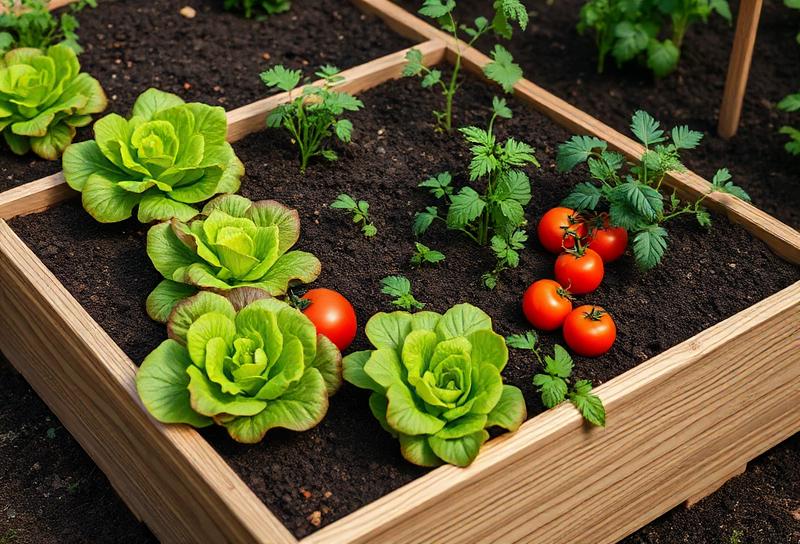
Best Raised Garden Beds for Vegetables
Grow more in less space. Our top picks for raised beds that deliver excellent drainage, durability, and growing results.
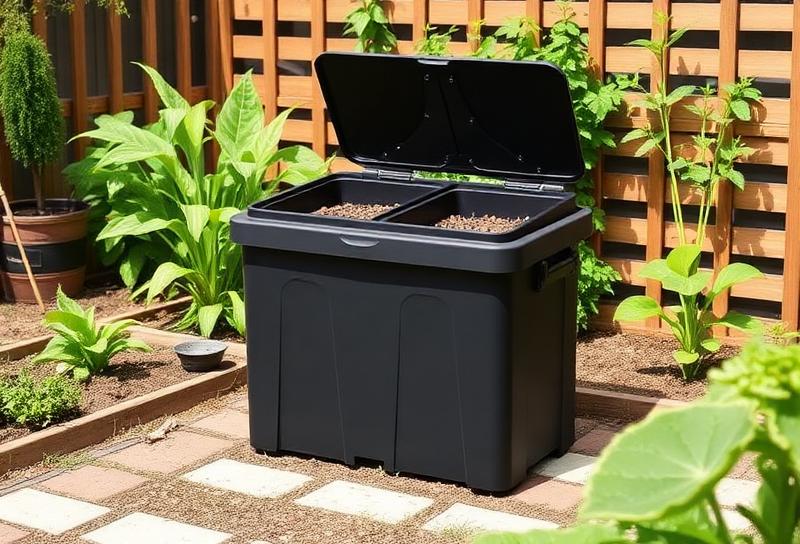
Best Compost Bin UK (2026): Tumblers, Hot Bins & Budget Picks
The best compost bin UK homes can buy in 2026 — turn kitchen scraps into garden-ready compost. We compare tumblers, hot composters and traditional council bins for every budget.
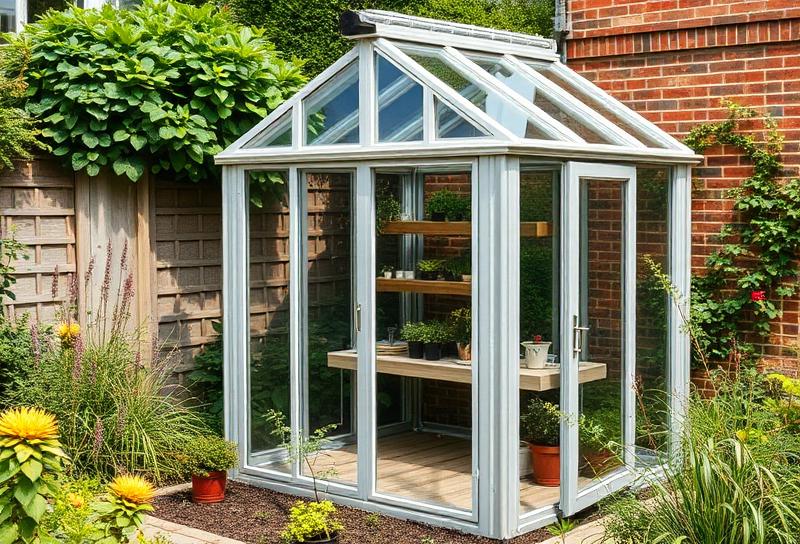
Best Small Greenhouses UK 2026: 7 Picks Under £500
We tested the UK's most popular compact greenhouses through a full British growing season. Honest reviews, real overwintering performance, and the best small greenhouse picks under £500 for tight gardens, patios and balconies.