
How to Improve Clay Soil Naturally
Clay soil doesn't have to be a curse. Learn proven organic methods to improve drainage, structure, and fertility in heavy clay.
This article contains affiliate links. We may earn a commission at no extra cost to you.
Quick Summary
Clay soil doesn't have to be a curse. Learn proven organic methods to improve drainage, structure, and fertility in heavy clay. We explain what makes clay soil difficult, which amendments actually work, and how to build fertile, workable soil over time.
Introduction
Clay soil is one of the most common gardening challenges in the UK. It's heavy, sticky when wet, rock-hard when dry, and drains poorly. But here's the good news — clay soil is actually nutrient-rich, and with the right amendments, it can become one of the best growing mediums in your garden. The key is improving its structure, not replacing it. This guide shows you proven organic methods that work.
Understanding Clay Soil
Clay soil is made up of extremely fine mineral particles that pack tightly together, leaving little space for air or water. This is why it gets waterlogged in winter and bakes into concrete in summer. The 'squeeze test' confirms clay: grab a handful of moist soil and squeeze. If it forms a smooth, shiny ball that holds its shape, you have clay. Clay soil typically has a higher pH (more alkaline) and is rich in nutrients — plants just need help accessing them through better soil structure.
Best Amendments for Clay Soil
Add organic matter generously
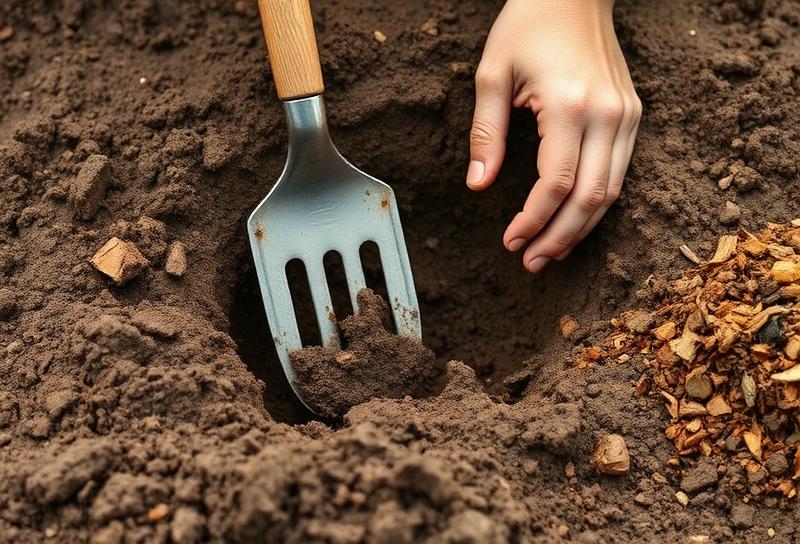
Spread 5–10cm of well-rotted garden compost, composted bark, or mushroom compost over beds each autumn. This is the single most effective treatment. Worms and microbes work it into the soil, creating structure over time.
Mix in horticultural grit
Coarse grit (not builder's sand) improves drainage by creating air pockets. Work it into the top 20cm at a ratio of roughly 1 part grit to 3 parts soil.
Apply leaf mould
Collect autumn leaves, bag them, and let them decompose for 1–2 years. Leaf mould is a superb soil conditioner — free, organic, and incredibly effective on clay.
Use green manures
Sow fast-growing plants like clover, phacelia, or field beans in empty beds. Their roots break up clay, and when dug in, they add organic matter and nitrogen.
Consider raised beds for vegetables
If your clay is particularly heavy, building raised beds filled with quality topsoil and compost gives you instant productive growing space while you improve the ground underneath.
What NOT to Do with Clay Soil
- ✗ Don't add builder's sand — it makes clay worse by creating a cement-like mix
- ✗ Don't dig when soil is waterlogged — it destroys structure
- ✗ Don't walk on wet clay beds — compaction undoes your improvement work
- ✗ Don't rotovate — it creates a compacted 'pan' layer beneath the surface
- ✗ Don't expect overnight results — soil improvement takes 2–3 seasons of consistent effort
Plants That Thrive in Clay Soil
- ✓ Roses — clay is actually their preferred soil type
- ✓ Asters — beautiful autumn colour and clay-tolerant
- ✓ Hardy geraniums — tough, reliable, and spread well
- ✓ Hellebores — winter-flowering and love heavy soil
- ✓ Fruit trees (apple, pear) — deep roots cope well with clay
- ✓ Dogwood (Cornus) — winter stem colour and clay-happy
Seasonal Clay Soil Care
Autumn is the best time to work on clay soil — add amendments, dig if needed, and let winter frost break up clods naturally. In spring, avoid working the soil until it's dried out enough to crumble when squeezed. In summer, mulch heavily to prevent cracking. In winter, stay off clay beds entirely to avoid compaction. Consistent annual improvement transforms clay within 2–3 years.
Recommended Buying Guides
Looking for the right products? These guides have you covered:
- Best Raised Garden Beds for Vegetables
- Best Compost Bin UK (2026): Tumblers, Hot Bins & Budget Picks
- Best Garden Tools for Beginners
"Don't fight clay soil — work with it. It's naturally fertile. Your only job is to improve drainage and structure. Add compost like your garden depends on it, because it does."
— Sarah Mitchell, Home Gardening Pedia
Frequently Asked Questions
How long does it take to improve clay soil?
You'll see noticeable improvement within one growing season of adding compost and grit. Significant structural change takes 2–3 years of consistent amendment.
Can I grow vegetables in clay soil?
Yes, especially brassicas (cabbage, broccoli), beans, and potatoes. For root vegetables like carrots, use raised beds with lighter soil to prevent forking.
Is clay soil acidic or alkaline?
Most UK clay soils are slightly alkaline (pH 7.0–8.0). Test yours with a kit and amend with sulphur if you want to grow acid-loving plants.
Related Reading
Written by
Sarah Mitchell
Senior Gardening Editor
Sarah has been gardening for over 15 years and holds an RHS Level 3 qualification. She specialises in organic growing methods and small-space gardening.
Related Articles
The Best Plants for Shady UK Gardens
Turn that dark corner into a lush retreat with these beautiful, low-light plants that thrive in British shade.
How to Fix Poor Garden Drainage: 7 Proven Solutions
Stop waterlogging ruining your garden. These practical drainage fixes work for lawns, borders, and raised beds.

Creating a Pet-Safe Garden: What Every Owner Needs to Know
Keep your furry friends safe while maintaining a beautiful garden. A guide to toxic plants, safe alternatives, and pet-proof design.