
How to Fix Poor Garden Drainage: 7 Proven Solutions
Stop waterlogging ruining your garden. These practical drainage fixes work for lawns, borders, and raised beds.
This article contains affiliate links. We may earn a commission at no extra cost to you.
Quick Summary
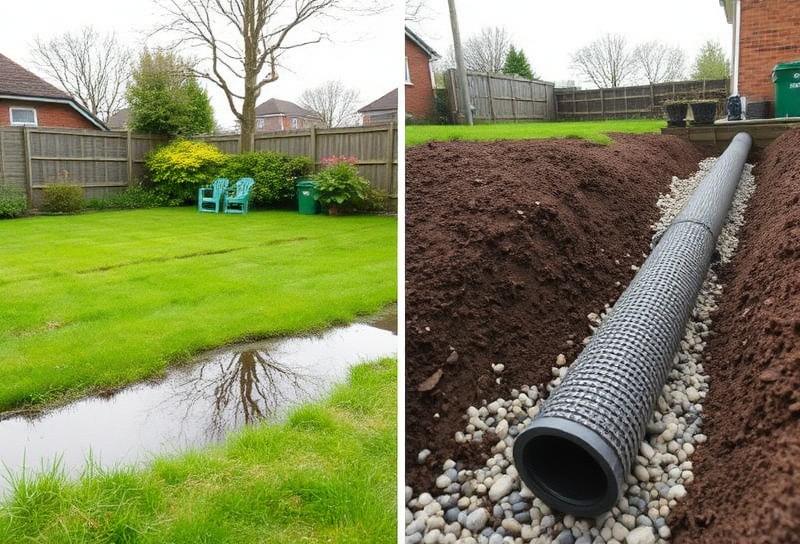
Stop waterlogging ruining your garden. These practical drainage fixes work for lawns, borders, and raised beds. Seven practical drainage solutions for waterlogged lawns, borders, and problem areas, from simple fixes to structural solutions.
Introduction
Waterlogging kills plants, ruins lawns, and makes your garden unusable for months. Poor drainage is one of the most common problems in UK gardens, especially in areas with heavy clay soil. The good news is that every drainage problem has a solution — some simple, some requiring more effort. This guide takes you through seven proven methods, from easy organic fixes to installing proper drainage systems.
Diagnosing Drainage Problems
Do the hole test
Dig a 30cm-deep hole, fill with water, and time how long it takes to drain. Good drainage: under 1 hour. Poor: 1–4 hours. Very poor: 4+ hours.
Check after rain
Walk your garden after heavy rain and note where water pools. These low spots need attention first.
Identify the cause
Is it compacted soil, clay subsoil, a high water table, or poor surface run-off? Each requires a different approach.
7 Proven Drainage Solutions
1. Add Organic Matter
The simplest fix. Work generous amounts of compost and grit into heavy soil annually. Organic matter improves structure over 2–3 years.
2. Aerate Your Lawn
Use a hollow-tine aerator to remove plugs of compacted soil. Fill holes with sharp sand. Do annually in autumn.
3. Create a Soakaway
Dig a pit (minimum 1m deep, 1m wide), fill with rubble and gravel, and cover with landscape fabric and soil. Channels water away from problem areas.
4. Install a French Drain
Dig a gravel-filled trench sloping away from waterlogged areas. Line with perforated pipe to channel water to a soakaway or ditch.
5. Raise Your Beds
Build raised beds above the waterlogged level and fill with quality topsoil. An instant fix for vegetable growing on heavy clay.
6. Regrade Surface Levels
Sometimes water pools because of uneven ground. Re-levelling and creating a slight slope (1:80 gradient) away from buildings solves surface drainage.
7. Plant Moisture-Loving Species
If drainage can't be fixed, work with it. Plant astilbe, iris, ligularia, and willow which thrive in wet conditions.
When to Call a Professional
If drainage problems affect building foundations, cause structural dampness, or if the water table is the issue, consult a drainage professional. DIY solutions handle surface water and soil compaction well, but subsurface and structural drainage needs expert assessment.
Recommended Buying Guides
Looking for the right products? These guides have you covered:
- Best Raised Garden Beds for Vegetables
- Best Compost Bin UK (2026): Tumblers, Hot Bins & Budget Picks
"In 20 years of garden design, I've never met a drainage problem that can't be solved. It's just a question of matching the right solution to the cause."
— James Thornton, Home Gardening Pedia
Frequently Asked Questions
How much does a French drain cost?
A DIY French drain costs £100–£300 in materials for a 10-metre run. Professional installation typically costs £50–£100 per metre.
Will gravel fix drainage?
Surface gravel alone won't fix drainage. But gravel in a properly constructed soakaway or French drain is very effective at channeling water away.
Can poor drainage damage my house?
Yes — persistent waterlogging near foundations can cause damp and structural issues. Ensure ground slopes away from buildings and water can't pool against walls.
Related Reading
Written by
James Thornton
Tools & Equipment Editor
James tests and reviews garden tools and power equipment. With a background in landscape design, he brings a practical, hands-on approach to every review.
Related Articles
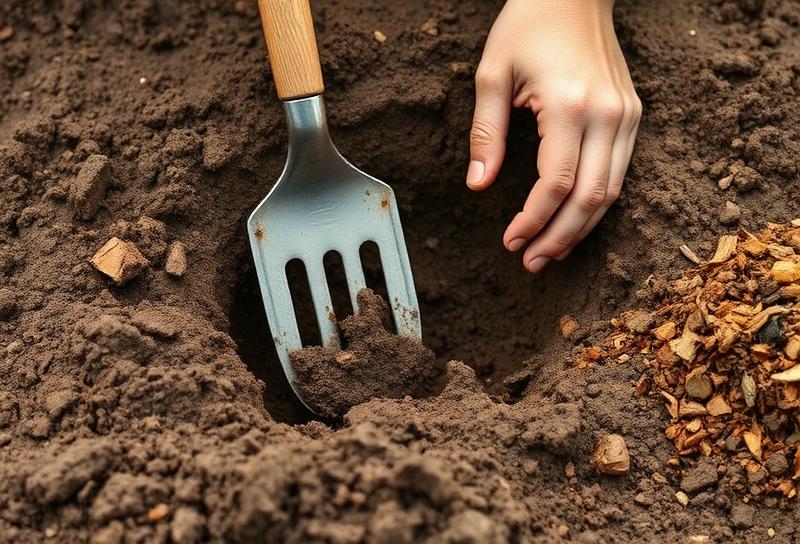
How to Improve Clay Soil Naturally
Clay soil doesn't have to be a curse. Learn proven organic methods to improve drainage, structure, and fertility in heavy clay.
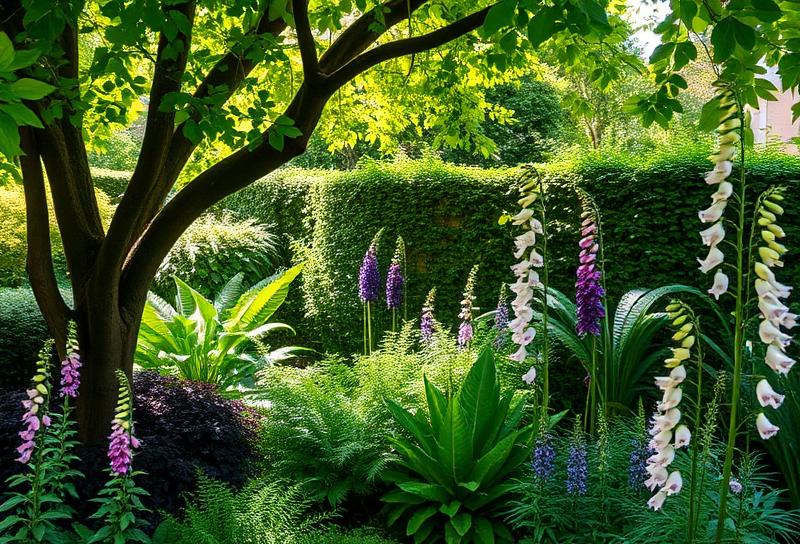
The Best Plants for Shady UK Gardens
Turn that dark corner into a lush retreat with these beautiful, low-light plants that thrive in British shade.

Creating a Pet-Safe Garden: What Every Owner Needs to Know
Keep your furry friends safe while maintaining a beautiful garden. A guide to toxic plants, safe alternatives, and pet-proof design.