
Creating a Pet-Safe Garden: What Every Owner Needs to Know
Keep your furry friends safe while maintaining a beautiful garden. A guide to toxic plants, safe alternatives, and pet-proof design.
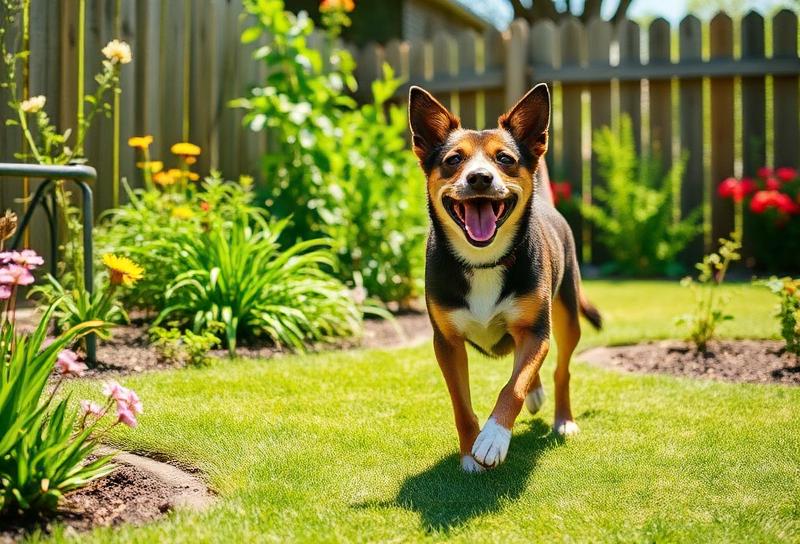
This article contains affiliate links. We may earn a commission at no extra cost to you.
Quick Summary
Keep your furry friends safe while maintaining a beautiful garden. A guide to toxic plants, safe alternatives, and pet-proof design. A comprehensive guide to toxic plants, safe alternatives, pet-proof fencing, and creating a garden both you and your pets can enjoy.
Introduction
Your garden should be a safe haven for every member of the family — including four-legged ones. Many common garden plants are toxic to dogs and cats, and certain garden products can be harmful too. This guide helps you identify risks, choose safe alternatives, and design a garden that's beautiful for you and safe for your pets.
Common Toxic Plants to Avoid
- ✗ Lilies — extremely toxic to cats, even small amounts can be fatal
- ✗ Daffodil bulbs — toxic to dogs and cats if eaten
- ✗ Foxgloves — all parts are poisonous (contain digitalis)
- ✗ Yew (Taxus) — berries and foliage are toxic to all animals
- ✗ Azalea/Rhododendron — leaves cause vomiting and even heart failure
- ✗ Laburnum — seeds are highly toxic to dogs and children
- ✗ Autumn Crocus — contains colchicine, a serious poison
- ✗ Comfrey — can cause liver damage if consumed in quantity
Pet-Safe Plant Alternatives
- ✓ Roses — safe for cats and dogs (watch for thorns)
- ✓ Sunflowers — non-toxic and cheerful
- ✓ Snapdragons — safe and colourful
- ✓ Lavender — safe and deters fleas naturally
- ✓ Camellias — beautiful and non-toxic
- ✓ Herbs (basil, rosemary, thyme) — safe for pets to nibble
- ✓ Ornamental grasses — safe and add texture
- ✓ Calendula — edible flowers, safe for pets
Pet-Friendly Garden Design
Create Pet Paths
Dogs will create paths anyway — design them intentionally with bark or gravel. This protects borders from trampling.
Secure Fencing
Check for gaps at the base of fences. Rabbit-proof mesh at ground level prevents escapes. Ensure fences are tall enough for your breed.
Designated Toilet Area
Train dogs to use a specific gravel or bark area. This concentrates damage and protects your lawn.
Avoid Cocoa Mulch
Cocoa shell mulch smells like chocolate and attracts dogs, but it contains theobromine which is toxic. Use bark mulch instead.
Pet-Safe Garden Products
Choose organic slug pellets (ferric phosphate based, not metaldehyde), avoid rat poison in the garden, use pet-safe weed killers, and store all chemicals securely. Fertilisers should be well-watered in before pets access treated areas. Consider natural alternatives like nematodes for pest control.
View Pet-Safe Garden ProductsRecommended Buying Guides
Looking for the right products? These guides have you covered:
Browse Garden Problems & Solutions on Amazon"A pet-safe garden isn't a compromised garden — it's a thoughtfully designed one. There are beautiful, non-toxic plants for every situation."
— Sarah Mitchell, Home Gardening Pedia
Frequently Asked Questions
What should I do if my pet eats a toxic plant?
Contact your vet immediately with the plant name if possible. Don't induce vomiting unless your vet advises it. The Animal Poison Line (01202 509000) provides 24-hour advice.
Is grass seed safe for pets?
Grass seed itself is generally safe, but barley grass awns can embed in paws, ears, and noses during walks. Check your dog after walks in long grass during summer.
Can I use weed killer with pets?
Many herbicides are safe once dry (check the label). Keep pets off treated areas until the product has dried completely. Consider manual weeding or mulching as safer alternatives.
Related Reading
Written by
Sarah Mitchell
Senior Gardening Editor
Sarah has been gardening for over 15 years and holds an RHS Level 3 qualification. She specialises in organic growing methods and small-space gardening.
Related Articles

How to Improve Clay Soil Naturally
Clay soil doesn't have to be a curse. Learn proven organic methods to improve drainage, structure, and fertility in heavy clay.
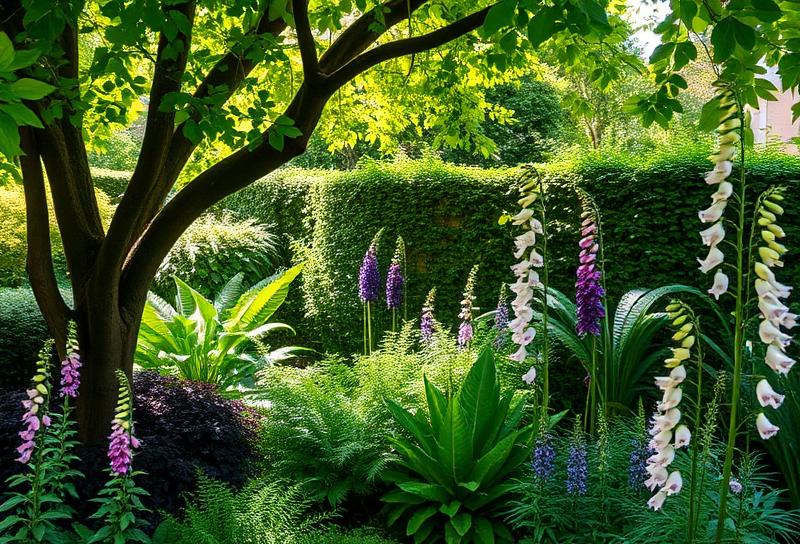
The Best Plants for Shady UK Gardens
Turn that dark corner into a lush retreat with these beautiful, low-light plants that thrive in British shade.
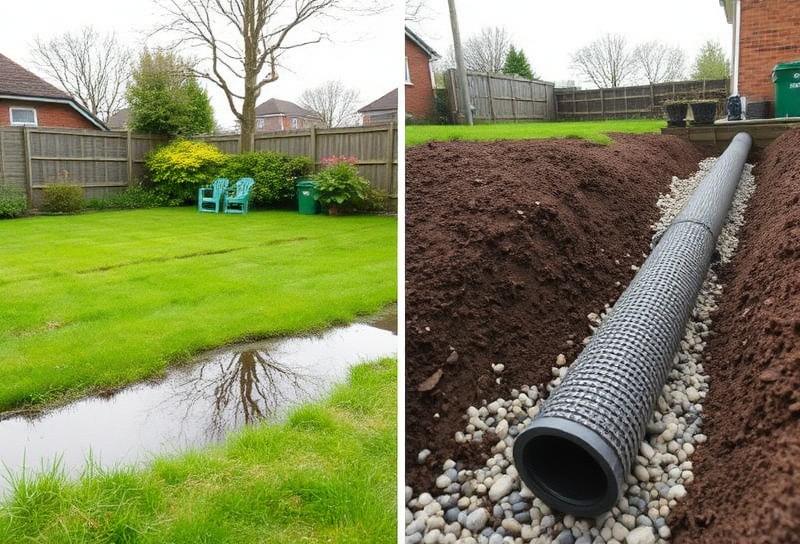
How to Fix Poor Garden Drainage: 7 Proven Solutions
Stop waterlogging ruining your garden. These practical drainage fixes work for lawns, borders, and raised beds.