
The Best Plants for Shady UK Gardens
Turn that dark corner into a lush retreat with these beautiful, low-light plants that thrive in British shade.
This article contains affiliate links. We may earn a commission at no extra cost to you.
Quick Summary
Turn that dark corner into a lush retreat with these beautiful, low-light plants that thrive in British shade. A curated selection of beautiful plants that thrive in partial to full shade, organised by type and growing conditions.
Introduction
Every garden has shady spots, and they don't have to be bare or boring. In fact, some of the most elegant and textural gardens are shade gardens. The key is choosing plants that naturally thrive in low light — not forcing sun-lovers into the shadows. This guide covers the best shade-tolerant plants for UK gardens, from structural shrubs to carpet-like groundcovers.
Understanding Shade Types
Partial Shade
3–6 hours of direct sun, or dappled sunlight through tree canopies. The widest range of plants grows here.
Full Shade
Less than 3 hours of direct sun. Fewer options but some stunning plants thrive here, including ferns, hostas, and hellebores.
Dry Shade
Under large trees where rain is blocked and roots compete for moisture. The most challenging — use tough, established plants.
Top Shade Plants
Hostas
The kings of shade gardening. Huge variety of leaf shapes, sizes, and colours. Slug protection essential — use copper tape or wool pellets.
Ferns
Bring texture and movement to shady borders. Try Dryopteris (buckler fern) or Asplenium (hart's tongue fern). Virtually pest-free.
Hellebores
Winter and early spring flowers in shade? Yes please. Helleborus orientalis offers a range of colours and self-seeds freely.
Brunnera (Siberian buget)
Heart-shaped leaves with forget-me-not blue flowers in spring. 'Jack Frost' variety has stunning silver-frosted foliage.
Japanese Anemones
Late summer and autumn flowers in white or pink. Spreads gently to fill shady gaps. Virtually maintenance-free once established.
Geranium phaeum
The dusky cranesbill thrives in deep shade and dry soil. Delicate purple-black flowers from May. Extremely tough and reliable.
Shade-Tolerant Groundcovers
- ✓ Vinca minor (Lesser Periwinkle) — evergreen with blue flowers
- ✓ Epimedium — delicate flowers and attractive foliage, tolerates dry shade
- ✓ Pachysandra terminalis — dense evergreen carpet, excellent weed suppressor
- ✓ Ajuga reptans (Bugle) — purple foliage and blue flower spikes
- ✓ Lamium maculatum (Dead Nettle) — silver-marked leaves, pink flowers
Designing a Shade Garden
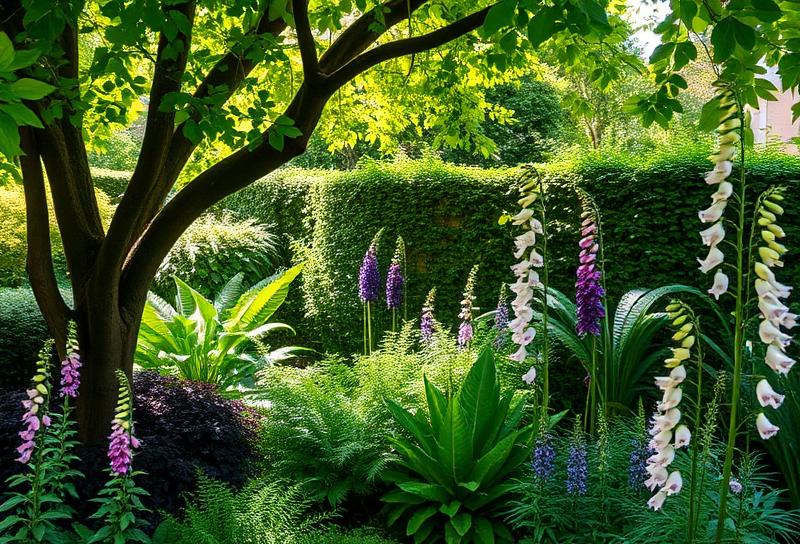
The secret to a beautiful shade garden is contrast. Use plants with different leaf textures and shapes — the glossy leaves of a fern beside the broad, matt foliage of a hosta creates visual interest without flowers. Add white or pale-coloured flowers (Japanese anemone, white foxglove) to illuminate dark areas. Use variegated foliage to add lightness. Group in odd numbers and repeat key plants for rhythm.
Recommended Buying Guides
Looking for the right products? These guides have you covered:
Browse Garden Problems & Solutions on Amazon"Shade gardeners are the most creative gardeners I know. When you can't rely on flowers, you learn to see beauty in leaf shape, texture, and light."
— Emma Greenfield, Home Gardening Pedia
Frequently Asked Questions
Will any vegetables grow in shade?
Yes — salad leaves, spinach, chard, and radishes all tolerate partial shade. Avoid fruiting crops like tomatoes and peppers which need full sun.
How do I improve dry shade?
Add a thick layer of compost or leaf mould every autumn. This improves moisture retention and feeds the soil. Once established, shade plants need less watering than sun plants.
Are hostas worth growing with slugs?
Absolutely. Use copper tape around pots, wool slug pellets around plants, or grow in raised containers to reduce slug access. 'Sum and Substance' variety is slug-resistant.
Related Reading
Written by
Emma Greenfield
Garden Design Writer
Emma focuses on garden design, outdoor living, and seasonal growing. She writes practical guides that make gardening accessible to complete beginners.
Related Articles

How to Improve Clay Soil Naturally
Clay soil doesn't have to be a curse. Learn proven organic methods to improve drainage, structure, and fertility in heavy clay.
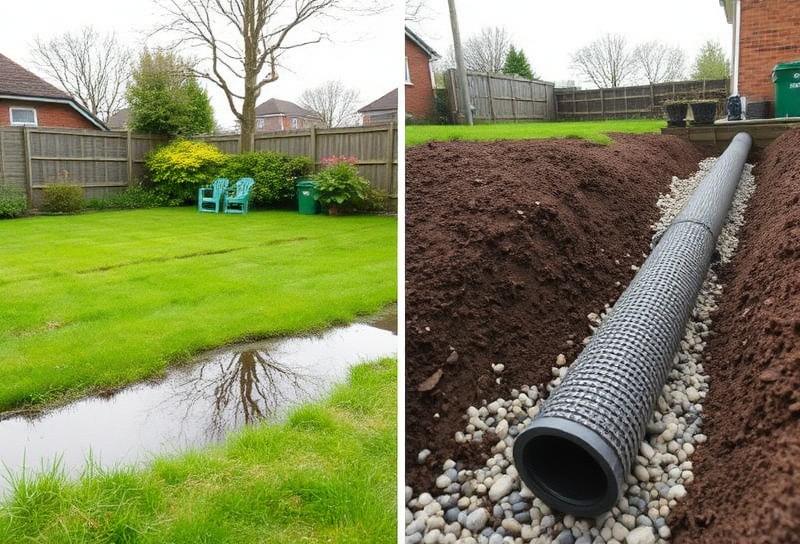
How to Fix Poor Garden Drainage: 7 Proven Solutions
Stop waterlogging ruining your garden. These practical drainage fixes work for lawns, borders, and raised beds.

Creating a Pet-Safe Garden: What Every Owner Needs to Know
Keep your furry friends safe while maintaining a beautiful garden. A guide to toxic plants, safe alternatives, and pet-proof design.