
10 Common Garden Mistakes Beginners Make
Avoid these rookie errors and save yourself time, money, and frustration in your first growing season.
This article contains affiliate links. We may earn a commission at no extra cost to you.
Quick Summary
Avoid these rookie errors and save yourself time, money, and frustration in your first growing season. Learn from others' mistakes and save yourself time, money, and frustration in your first growing season.
Introduction
Every gardener makes mistakes — it's part of the learning process. But some errors are so common that you can avoid them entirely with a little forewarning. We've compiled the ten most frequent mistakes we see beginners make, based on reader questions, expert interviews, and our own early-gardening memories. Avoid these and you'll have a much smoother first year.
Mistakes 1–3: Planning Errors
1. Starting Too Big
The enthusiasm is wonderful, but a huge garden overwhelms beginners. Start with one or two small beds, master the basics, then expand. A 2x2 metre bed is plenty for year one.
2. Ignoring Sunlight Requirements
Planting sun-loving tomatoes in a shady corner, or shade plants in full sun. Always check plant labels and match them to your garden's conditions.
3. Not Testing Your Soil
A £5 soil test kit tells you pH and nutrient levels. Without it, you're guessing which plants will thrive and which amendments to add.
Mistakes 4–6: Planting Errors
4. Planting Too Close Together
Seed packets give spacing guidelines for a reason. Overcrowded plants compete for light, water, and nutrients, leading to poor growth and increased disease.
5. Planting at the Wrong Time
Sowing tender plants before the last frost or leaving it too late in the season. Follow sowing calendars for your region and check weather forecasts.
6. Forgetting to Harden Off
Moving indoor seedlings straight outside shocks and kills them. Gradually introduce them to outdoor conditions over 7–10 days before planting out.
Mistakes 7–10: Maintenance Errors
7. Overwatering
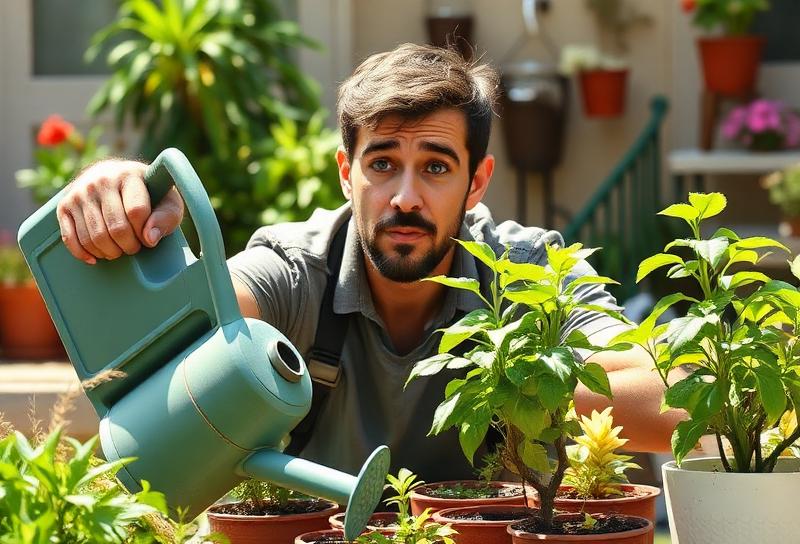
More plants die from overwatering than underwatering. Check soil moisture before watering — stick your finger in 5cm deep. If it's damp, leave it.
8. Neglecting Soil Health
Feeding plants without feeding the soil is a short-term fix. Add compost regularly to build long-term fertility and structure.
9. Not Dealing with Pests Early
A few slugs become hundreds within weeks. Check plants regularly, use barriers, and act quickly when you spot damage.
10. Giving Up Too Quickly
Not every plant succeeds. Some seasons are difficult. Gardening rewards patience and persistence — learn from failures and try again.
What to Do Instead
- ✓ Start small with a manageable plot and expand each year
- ✓ Track sunlight in your garden before choosing plant positions
- ✓ Test your soil pH and improve it with compost before planting
- ✓ Follow spacing guidelines on seed packets and plant labels
- ✓ Use a sowing calendar to plant at the right time
- ✓ Water deeply but infrequently — aim for the roots, not the leaves
- ✓ Add compost to your soil every season without fail
- ✓ Inspect plants weekly for early signs of pests and disease
Recommended Buying Guides
Looking for the right products? These guides have you covered:
- Best Raised Garden Beds for Vegetables
- Best Compost Bin UK (2026): Tumblers, Hot Bins & Budget Picks
- Best Small Greenhouses UK 2026: 7 Picks Under £500
"The only real mistake in gardening is not starting. Everything else is just a learning opportunity. Every experienced gardener has killed plants — it's how we all learned."
— Emma Greenfield, Home Gardening Pedia
Frequently Asked Questions
What's the most important thing for a new gardener to know?
Focus on your soil. Healthy soil grows healthy plants. Add compost, test your pH, and everything else becomes easier.
How much should I invest as a beginner?
Start with £50–£100 for basic tools, compost, and seeds. You don't need expensive equipment to grow a beautiful garden.
Is it normal for plants to die?
Absolutely. Even professional gardeners lose plants. The key is to learn why and try again. Every failure teaches you something.
Related Reading
Written by
Emma Greenfield
Garden Design Writer
Emma focuses on garden design, outdoor living, and seasonal growing. She writes practical guides that make gardening accessible to complete beginners.
Related Articles
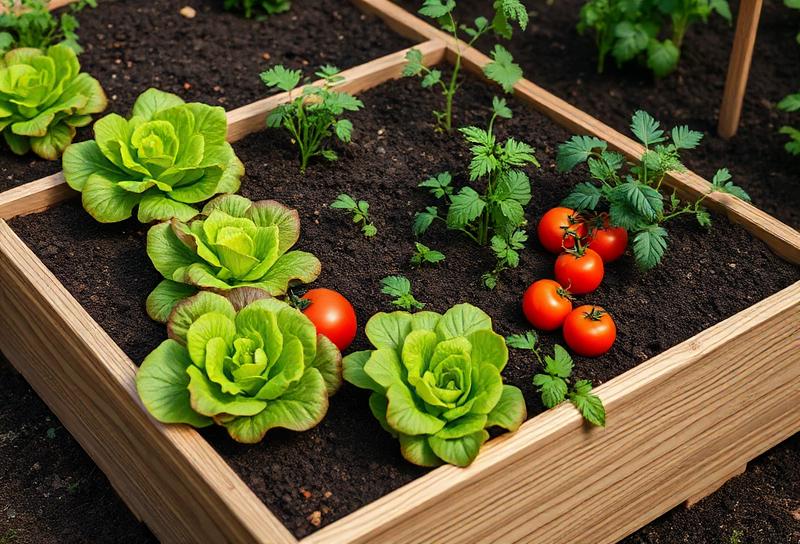
Best Raised Garden Beds for Vegetables
Grow more in less space. Our top picks for raised beds that deliver excellent drainage, durability, and growing results.
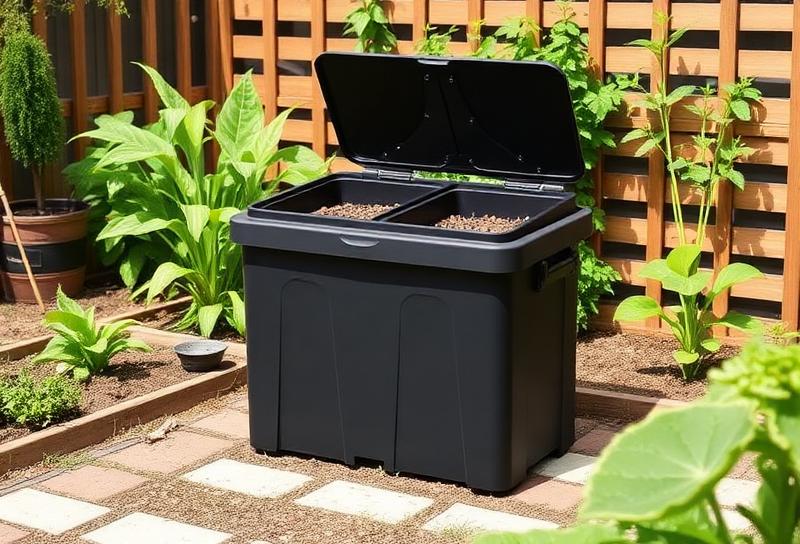
Best Compost Bin UK (2026): Tumblers, Hot Bins & Budget Picks
The best compost bin UK homes can buy in 2026 — turn kitchen scraps into garden-ready compost. We compare tumblers, hot composters and traditional council bins for every budget.
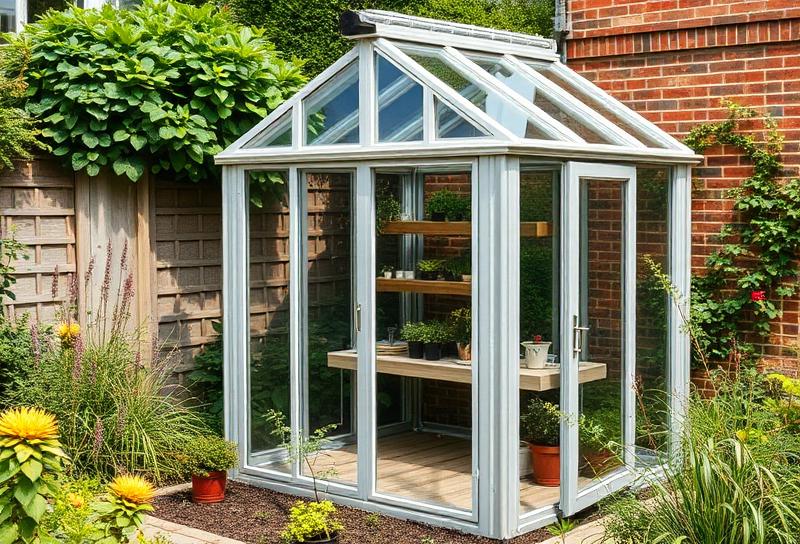
Best Small Greenhouses UK 2026: 7 Picks Under £500
We tested the UK's most popular compact greenhouses through a full British growing season. Honest reviews, real overwintering performance, and the best small greenhouse picks under £500 for tight gardens, patios and balconies.