
How to Start a Garden from Scratch
A complete beginner's guide to planning, preparing, and planting your first garden, from soil preparation to choosing your first plants.
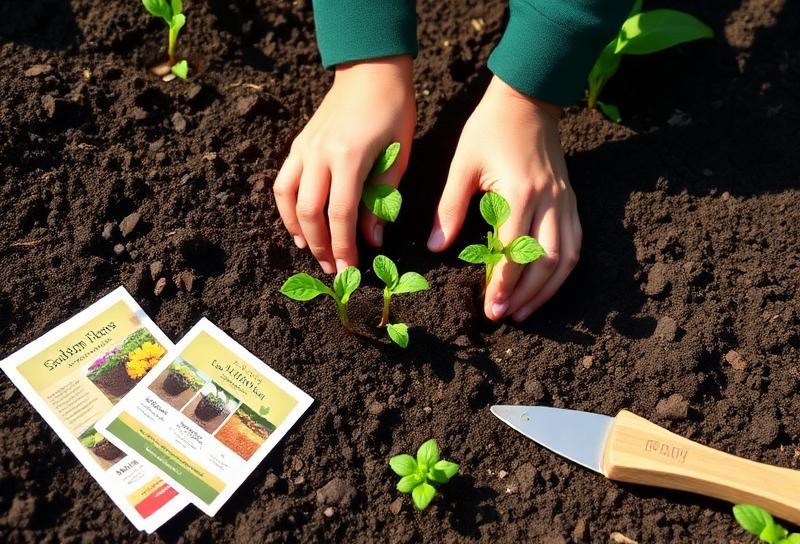
This article contains affiliate links. We may earn a commission at no extra cost to you.
Quick Summary
A complete beginner's guide to planning, preparing, and planting your first garden, from soil preparation to choosing your first plants. We walk you through every stage from assessing your plot and improving your soil to choosing beginner-friendly plants and maintaining them through the seasons.
Introduction
Starting a garden from scratch is one of the most exciting projects you can take on. Whether you've just moved into a new home with a bare plot or you're converting a tired lawn into a productive space, the key is to take it one step at a time. This guide walks you through the complete process — from understanding your soil and sunlight to choosing your first plants and keeping them healthy. We've helped thousands of readers start their first gardens, and we've distilled everything into this comprehensive, actionable guide.
Assess Your Space
Measure your plot
Use a tape measure to sketch your garden dimensions. Note any existing features like fences, trees, paths, or sheds. This helps you plan planting beds and pathways.
Track your sunlight
Spend a full day observing which areas get morning sun, afternoon sun, or full shade. Most vegetables need at least 6 hours of direct sunlight. Use this to decide where to place different plants.
Test your soil
Buy a simple soil testing kit from your local garden centre. Test for pH (most plants prefer 6.0–7.0) and check whether your soil is clay, sandy, or loam by doing the squeeze test.
Check drainage
Dig a hole about 30cm deep, fill it with water, and see how long it takes to drain. If water sits for more than 4 hours, you may need to add organic matter or consider raised beds.
Note your microclimate
Is your garden sheltered or exposed? Does it sit in a frost pocket? Understanding your microclimate helps you choose plants that will thrive rather than just survive.
Prepare Your Soil
Good soil is the foundation of every successful garden. If you're starting from bare earth or compacted ground, begin by removing any weeds, debris, and large stones. Then dig the soil to a depth of at least 30cm (one spade's depth), breaking up any compacted areas. The single most important thing you can do is add organic matter. Spread a generous layer of well-rotted compost, aged manure, or composted bark over the surface and work it into the top 15–20cm. This improves drainage in clay soils, increases water retention in sandy soils, and adds essential nutrients. Aim to add compost every season — it's the gift that keeps giving. For clay-heavy soil, also consider adding horticultural grit to improve structure.
Choose Beginner-Friendly Plants
Tomatoes
Easy to grow in pots or beds. Choose bush varieties like 'Tumbling Tom' for containers or 'Gardener's Delight' for beds.
Courgettes
Incredibly productive — just two plants can feed a family. Give them plenty of space and water regularly.
Lettuce & Salad Leaves
Quick to grow (ready in 4–6 weeks), perfect for succession sowing. Grow in partial shade during summer.
Herbs (Basil, Mint, Rosemary)
Essential for any kitchen garden. Most herbs are low-maintenance and happy in pots on a sunny windowsill or patio.
Sunflowers
The ultimate confidence booster for new gardeners. Fast-growing, dramatic, and children love them.
Runner Beans
Climbing beans are productive and beautiful. They fix nitrogen in the soil, improving it for future planting.
Planting Basics
- ✓ Always check the seed packet or plant label for spacing, depth, and timing
- ✓ Water plants thoroughly before transplanting to reduce root shock
- ✓ Plant in the evening or on a cloudy day to reduce transplant stress
- ✓ Mulch around plants with compost or bark to suppress weeds and retain moisture
- ✓ Label everything — you will forget what you planted where
- ✓ Start with fewer varieties and learn to grow them well before expanding
Essential Tools for Beginners
You don't need a shed full of expensive equipment to start a garden. Focus on quality over quantity. A good hand trowel, a digging fork, secateurs, a watering can (or hose), and a pair of gardening gloves will cover 90% of tasks. As you grow more confident, consider adding a wheelbarrow, a soil rake, and a garden kneeler. Buy the best you can afford — cheap tools break quickly and make gardening harder work than it needs to be.
View Best Beginner Garden ToolsWatering and Feeding
New plants need consistent watering until their roots establish — typically the first 4–6 weeks. Water deeply but less frequently rather than a little every day. This encourages roots to grow deeper, making plants more drought-resistant. Feed your plants with a general-purpose liquid fertiliser every two weeks during the growing season (April–September). For vegetables, a tomato feed high in potash works well once plants start flowering. Always water before feeding, never onto dry soil.
Common Mistakes to Avoid
- ✗ Trying to do too much in year one — start small and expand
- ✗ Ignoring your soil type and planting unsuitable varieties
- ✗ Overwatering — soggy roots kill more plants than drought
- ✗ Planting too close together, creating overcrowding and disease
- ✗ Skipping mulching — bare soil dries out and grows weeds faster
- ✗ Not planning for slugs, snails, and other common pests
Recommended Buying Guides
Looking for the right products? These guides have you covered:
- Best Raised Garden Beds for Vegetables
- Best Compost Bin UK (2026): Tumblers, Hot Bins & Budget Picks
- Best Small Greenhouses UK 2026: 7 Picks Under £500
"The biggest mistake new gardeners make is trying to do too much at once. Start with a 2x2 metre bed, grow three or four things well, and expand from there. Confidence comes from success, not ambition."
— Sarah Mitchell, Home Gardening Pedia
Frequently Asked Questions
When is the best time to start a new garden?
Spring (March–May) is ideal for most planting, but autumn is excellent for soil preparation, planting trees, and establishing perennials. You can plan and prepare beds at any time of year.
How much does it cost to start a garden from scratch?
A basic start with seeds, compost, and essential tools can cost as little as £50–£100. Raised beds and quality tools increase the initial investment but save money long-term.
Can I start a garden in a small space?
Absolutely. Container gardening, vertical planters, and raised beds work brilliantly in small spaces. Even a balcony can grow herbs, salads, and tomatoes.
Do I need to test my soil?
Yes, it's one of the most valuable things you can do. A £5 soil test kit tells you your pH and nutrient levels, helping you choose the right plants and amendments.
Written by
Sarah Mitchell
Senior Gardening Editor
Sarah has been gardening for over 15 years and holds an RHS Level 3 qualification. She specialises in organic growing methods and small-space gardening.
Related Articles
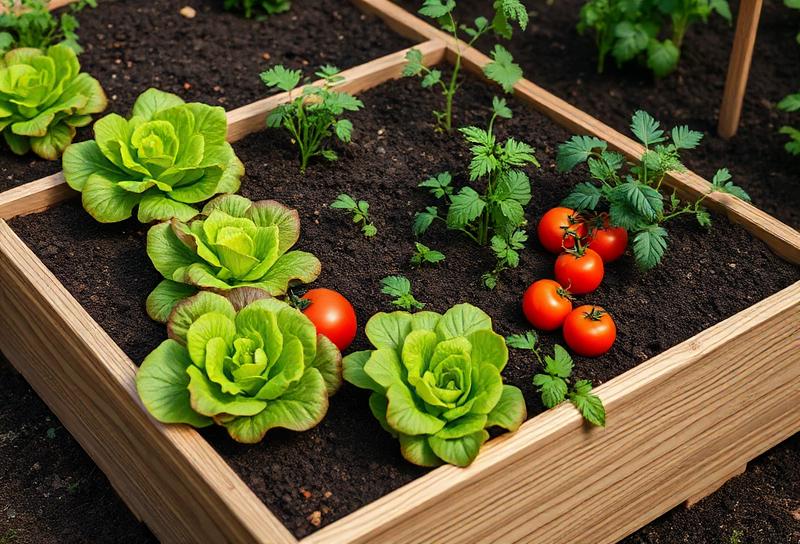
Best Raised Garden Beds for Vegetables
Grow more in less space. Our top picks for raised beds that deliver excellent drainage, durability, and growing results.
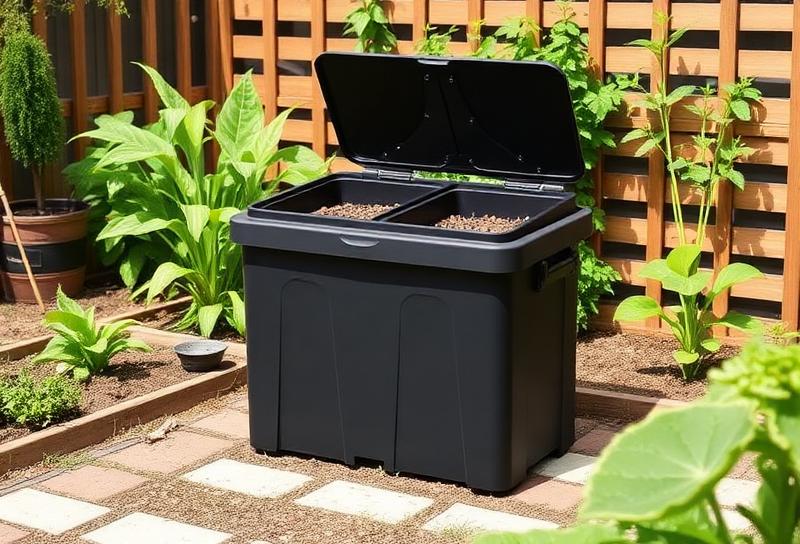
Best Compost Bin UK (2026): Tumblers, Hot Bins & Budget Picks
The best compost bin UK homes can buy in 2026 — turn kitchen scraps into garden-ready compost. We compare tumblers, hot composters and traditional council bins for every budget.
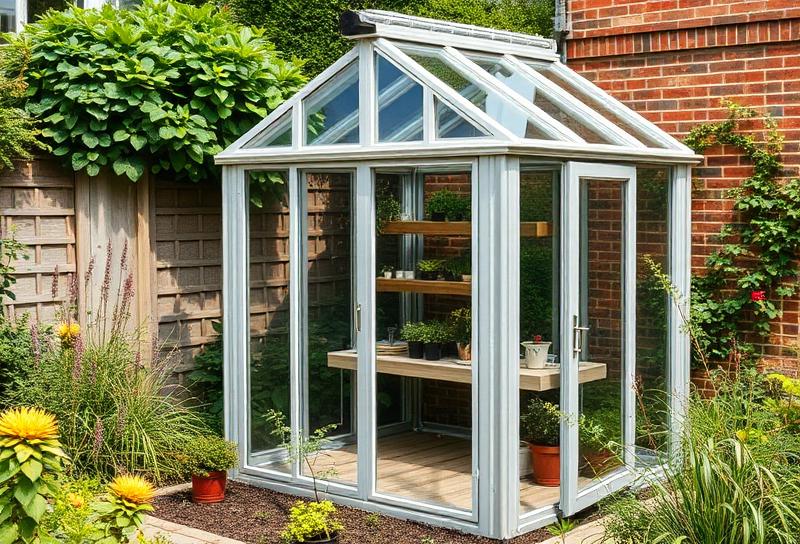
Best Small Greenhouses UK 2026: 7 Picks Under £500
We tested the UK's most popular compact greenhouses through a full British growing season. Honest reviews, real overwintering performance, and the best small greenhouse picks under £500 for tight gardens, patios and balconies.