
How to Fix Bare Patches in Lawn UK: A Step-by-Step Repair Guide
Bare patches and bare spots in your lawn are frustrating but fixable. Learn the common causes, proven repair steps, and how to prevent bare patches from returning in UK gardens.
This article contains affiliate links. We may earn a commission at no extra cost to you.
Quick Summary
Bare patches and bare spots in your lawn are frustrating but fixable. Learn the common causes, proven repair steps, and how to prevent bare patches from returning in UK gardens. We cover the seven most common causes of bare patches and bare spots in UK lawns, plus step-by-step repair methods and prevention tips to keep your grass green and even.
Introduction
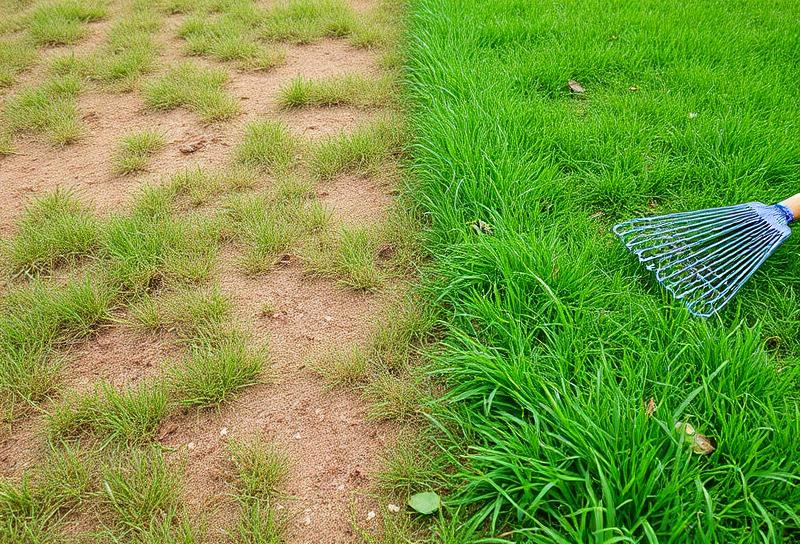
Bare patches in lawn are one of the most common lawn care problems UK gardeners face. Whether you're dealing with small bare spots after a dry summer, dog-urine scorch marks, or thinning grass under a tree, the good news is that most bare patches can be repaired in a single weekend. In this guide, we'll show you how to identify what's causing the bare patches in your lawn, fix them with seed or turf, and stop them coming back. If you want the best results, aim to repair lawn bare patches in autumn (September) or spring (April–May), when soil is warm and moisture is reliable.
Common Causes of Bare Patches in Lawn
Dog Urine Burns
Concentrated nitrogen in dog urine scorches grass, leaving yellow-ringed brown bare spots. Flush the area with water immediately after your dog visits to dilute the nitrogen.
Heavy Foot Traffic
Regular walking paths compact soil and wear grass thin. Stepping stones or a bark-chip path are the easiest permanent fixes for high-traffic bare patches.
Shade from Trees and Buildings
Grass needs at least 4 hours of sunlight. Deep shade causes thinning and bare patches. Switch to shade-tolerant grass seed or replace grass with shade-loving groundcover.
Compacted Soil
Heavy clay or constant foot traffic squeezes air out of the soil. Roots can't grow, so the grass dies back. Aerate with a hollow-tine aerator in autumn and top-dress with sandy compost.
Lawn Disease (Red Thread / Fusarium)
Look for discoloured patches with pinkish threads or slimy brown grass. Improve drainage, reduce thatch, and feed the lawn to strengthen the sward.
Grubs and Chafer Beetles
If bare patches lift easily like a carpet, leatherjackets or chafer grubs are eating the roots. Apply a biological nematode treatment in late summer.
Drought and Heat Stress
Dry summers can scorch grass into crisp, light-brown bare patches. Water deeply once a week during dry spells and overseed thin areas in September.
How to Fix Bare Patches in Lawn: Step-by-Step
Rake out dead grass and debris
Use a spring-tine rake to remove dead material and expose the bare soil. This gives new grass seed the best contact with the ground.
Fork and loosen the soil
Push a garden fork 10 cm deep across the bare patch and rock it gently. This breaks up compaction and lets new roots penetrate easily.
Add a thin layer of topsoil or compost
Spread 1–2 cm of quality topsoil or sieved compost over the area. This creates a seedbed and improves the soil quality.
Sow grass seed evenly
Choose a seed mix that matches your lawn. Scatter at the rate on the packet — usually around 35 g per square metre for lawn repair.
Lightly rake and firm the seed
Gently rake the seed into the top surface, then press it down with the back of the rake or walk over it with flat shoes. Good soil contact is essential for germination.
Water and protect
Water gently with a fine rose watering can. Keep the soil moist (not waterlogged) for 2–3 weeks. Cover with fine mesh if birds are a problem.
How to Fix Bare Patches in Lawn Fast
If you need to repair bare patches in lawn quickly, the fastest reliable method is to lay pre-grown turf cut to size. Cut out the dead patch with a sharp spade, loosen the soil underneath, then press a turf square firmly into place and water well. You'll get an instant green patch, though it will take a few weeks to root in fully. For small bare spots, seed is cheaper and works almost as fast in warm, damp weather — you should see germination in 7–14 days.
Choosing the Right Lawn Seed for Bare Patches
Not all grass seed is equal. For shady areas, look for mixes containing fine fescue. For heavy-use family lawns, choose a hard-wearing ryegrass blend. For a premium finish, fine fescue and bent-grass mixes create a bowling-green look but need more maintenance. Apply seed from March to October, but April–May and September are the sweet spots for establishment.
View Best Lawn Repair Seed on AmazonPreventing Future Bare Patches and Bare Spots
- ✓ Feed your lawn 3–4 times per year with a seasonal lawn fertiliser
- ✓ Aerate in autumn to relieve soil compaction
- ✓ Overseed thin areas each September to keep the sward thick
- ✓ Set your mower height to 3–4 cm — never scalp the lawn
- ✓ Water deeply once a week during dry spells rather than daily sprinkling
- ✓ Flush areas where pets urinate with water immediately after
- ✓ Rake out moss and thatch in spring to improve airflow and drainage
Best Time to Repair Bare Patches in UK Lawns
Timing is everything when you fix bare patches in lawn. Autumn (September) is ideal because the soil is still warm, rain is regular, and there is less competition from weeds. Spring (April–May) is the second-best window. Avoid mid-summer repairs unless you can keep the patch consistently moist, and avoid winter entirely because cold soil stops germination.
Recommended Buying Guides
Looking for the right products? These guides have you covered:
- Best Robot Lawn Mower UK 2026: 6 Wire-Free Picks Tested
- Best Lawn Mower for Small Garden UK (2026): Top Picks Under £300
"The number one cause of poor lawns is cutting too short. Raise your mower blade to 3 cm and your lawn will be healthier, greener, and far more resistant to bare patches and bare spots."
— James Thornton, Home Gardening Pedia
Frequently Asked Questions
What causes bare patches in lawn?
The most common causes are dog urine burns, heavy foot traffic, compacted soil, shade, lawn diseases like red thread, and grubs such as leatherjackets or chafer beetles. Drought and scalping the grass with a mower set too low also cause bare patches.
How do I fix bare patches in lawn?
Rake out dead grass, loosen the soil with a fork, add a thin layer of topsoil, sow grass seed at 35 g per square metre, firm it in, and keep it moist for 2–3 weeks. For instant results, use turf cut to size.
Can I fix bare patches in lawn in summer?
You can, but success is lower because heat and dryness stress young seedlings. Keep newly seeded areas consistently moist. Autumn (September) is the best time for lawn repairs in the UK.
Should I use turf or seed for bare patches?
Seed is cheaper and easier for small bare patches. Turf gives instant results for larger areas but costs more. Both work well if the soil is prepared properly.
How long does grass seed take to grow in bare patches?
You should see germination in 7–14 days. The lawn will look established in 6–8 weeks but won't be fully mature until the following season.
Why does my lawn keep getting bare spots in the same place?
Recurring bare spots usually mean the underlying cause hasn't been fixed — such as compaction, pet urine, shade, or a disease. Aerate, improve drainage, redirect foot traffic, or choose a more suitable grass mix.
Written by
James Thornton
Tools & Equipment Editor
James tests and reviews garden tools and power equipment. With a background in landscape design, he brings a practical, hands-on approach to every review.
Related Articles

Best Robot Lawn Mower UK 2026: 6 Wire-Free Picks Tested
The best robot lawn mower UK buyers can get in 2026 is wire-free, no-RTK and hedgehog-safe. We tested the Eufy C15 and three alternatives on real UK lawns — honest reviews, coverage limits, and buying advice.
Best Lawn Mower for Small Garden UK (2026): Top Picks Under £300
The best lawn mower for small garden UK shoppers can buy in 2026 — compact, easy to store and tested on real UK lawns. Compare Bosch, Flymo, Einhell and Gardena side by side.
UK Lawn Care Schedule: What to Do Every Month
A pro-groundsman's month-by-month lawn calendar for UK gardens — the mowing heights, feed timings, scarifying windows and weed treatments that turn a tired lawn into a bowling green.