
UK Lawn Care Schedule: What to Do Every Month
A pro-groundsman's month-by-month lawn calendar for UK gardens — the mowing heights, feed timings, scarifying windows and weed treatments that turn a tired lawn into a bowling green.
This article contains affiliate links. We may earn a commission at no extra cost to you.
Quick Summary
A pro-groundsman's month-by-month lawn calendar for UK gardens — the mowing heights, feed timings, scarifying windows and weed treatments that turn a tired lawn into a bowling green. A pro groundsman's month-by-month UK lawn calendar — from the first spring mow to autumn scarifying — with exact mowing heights, feed timings and product picks that turn any tired lawn into a striped, weed-free showpiece within a single season.
The Three Rules That Fix 90% of UK Lawns
- ✓ Never mow shorter than 25mm — long grass shades out weeds and moss
- ✓ Feed twice a year (spring + autumn) with the right formulas — not one all-year product
- ✓ Scarify once a year in September to remove moss and thatch
Month-by-Month Lawn Calendar (UK)
March — first mow & spring tidy
First mow on a dry day with blades at maximum height (50mm+). Rake out winter debris. Apply moss killer if moss is heavy.
April — spring feed
Mow weekly at 40mm. Apply spring lawn feed (high nitrogen) once soil has warmed — usually mid-April. Overseed any bare patches now.
May — into peak growth
Mow twice weekly at 30mm. Spot-treat weeds (dandelions, plantains) with a selective weedkiller on a dry, still day.
June — summer routine
Mow weekly at 30mm. Never scalp — long grass survives drought better. Water new lawns; established lawns tolerate brown grass without dying.
July–August — protect from heat
Raise blades back to 40mm during heatwaves. Leave clippings on to protect roots ('grasscycling'). Only water if the lawn is under 12 months old.
September — the most important month
Scarify with a spring-tine or powered scarifier to remove thatch and moss. Aerate compacted areas with a fork or hollow-tine aerator. Apply autumn lawn feed (high potassium, low nitrogen). Overseed any bald areas.
October — recovery & clear leaves
Continue mowing at 40mm until growth stops. Rake fallen leaves off the lawn weekly — left there they smother grass and encourage moss.
November — final mow
One last mow at 40mm. Sharpen mower blades ready for spring. Empty and dry the mower deck. Keep off wet or frosty grass.
December–February — leave it alone
Don't walk on frosty grass (breaks the blades). Don't mow. Order spring feed and seed now while stocked.
Correct Mowing Heights for UK Grass
Utility / family lawn
25–35mm year-round. Highest wear tolerance, lowest maintenance.
Show / ornamental lawn
12–20mm May–August, up to 30mm rest of year. Weekly to twice-weekly mowing needed.
Shade or wildlife lawn
45–55mm year-round. Grass tolerates shade far better when kept longer.
New / patched lawn
50mm for first 12 weeks — never scalp new grass or seedling roots die.
The Only Feed Schedule You Need
- ✓ Mid-April: high-nitrogen spring feed (e.g. Evergreen Complete or Aftercut All-in-One)
- ✓ Mid-September: high-potassium autumn feed (e.g. Aftercut Autumn All-in-One)
- ✓ Only feed a third time in July if the lawn looks pale AND you can water it in
- ✓ Never feed a stressed or drought-brown lawn — you'll scorch it
- ✓ Always apply on damp grass, before rain if possible
Fixing the 5 Most Common UK Lawn Problems
Moss taking over
Symptom of shade, compaction, or low mowing. Scarify in September, raise mowing height, aerate, apply autumn feed.
Bare patches
Rake to expose soil, sprinkle grass seed, cover with a thin layer of topsoil, water for 3 weeks. Best in April or September.
Yellow / brown patches (dog urine)
Water the spot immediately after the dog goes. Reseed damaged patches in autumn.
Weeds (dandelions, daisies, plantains)
Spot-treat with a selective liquid weedkiller in May–June. Never apply to newly-seeded areas or in drought.
Ants and molehills
Brush anthills level before mowing. Molehills — flatten and reseed; sonic deterrents work better than traps.
The Kit That Actually Makes a Difference
After a decade of testing UK lawn kit, four products consistently transform average lawns into striped showpieces: a rotary or cylinder mower with a rear roller (Bosch or Hayter for stripes), an electric scarifier (Einhell or Bosch — makes September's biggest lawn job take 30 minutes instead of 3 hours), a broadcast spreader for even feed application, and quality Aftercut / Miracle-Gro seasonal feeds. Our lawn mowers buying guide covers the mowers in detail.
Shop Lawn Care Essentials on AmazonRecommended Buying Guides
Looking for the right products? These guides have you covered:
- Best Robot Lawn Mower UK 2026: 6 Wire-Free Picks Tested
- Best Lawn Mower for Small Garden UK (2026): Top Picks Under £300
- Best Compost Bin UK (2026): Tumblers, Hot Bins & Budget Picks
"The single best thing you can do for a UK lawn is raise the mowing height. Nine out of ten scruffy lawns are scalped lawns. Set the mower at 30mm, feed twice a year, scarify in September and you'll overtake 95% of gardens on your street."
— James Thornton, Home Gardening Pedia
Frequently Asked Questions
When should I start mowing my UK lawn in spring?
First mow is usually early to mid-March on a dry day, with the blades set to the highest setting (50mm+). Never mow wet or frosty grass — you'll damage both the lawn and the mower.
How often should I feed my UK lawn?
Twice a year is enough for almost every UK lawn: a high-nitrogen spring feed in mid-April, and a high-potassium autumn feed in mid-September. A third summer feed is only needed if the lawn looks pale and you can water it in.
When is the best time to scarify a UK lawn?
Mid-September, when the lawn is actively growing and there's still enough warmth for it to recover before winter. April is a second-choice window, but avoid it if moss killer has just been applied.
What is the correct mowing height for a UK lawn?
25–35mm for a normal family lawn, 12–20mm for an ornamental / show lawn (summer only), and 45–55mm for shady or wildlife lawns. Never remove more than a third of the grass blade in one cut.
How do I get rid of moss in my UK lawn permanently?
Moss thrives in shade, compaction and low mowing. Long-term fix: raise mowing height, scarify every September, aerate compacted areas, feed in spring and autumn, and thin overhanging branches to let more light in.
Should I leave grass clippings on the lawn?
In hot summer weeks, yes — 'grasscycling' returns nitrogen and protects roots from drought. In wet spring or autumn, collect them or they'll smother the grass and encourage moss.
Written by
James Thornton
Tools & Equipment Editor
James tests and reviews garden tools and power equipment. With a background in landscape design, he brings a practical, hands-on approach to every review.
Related Articles
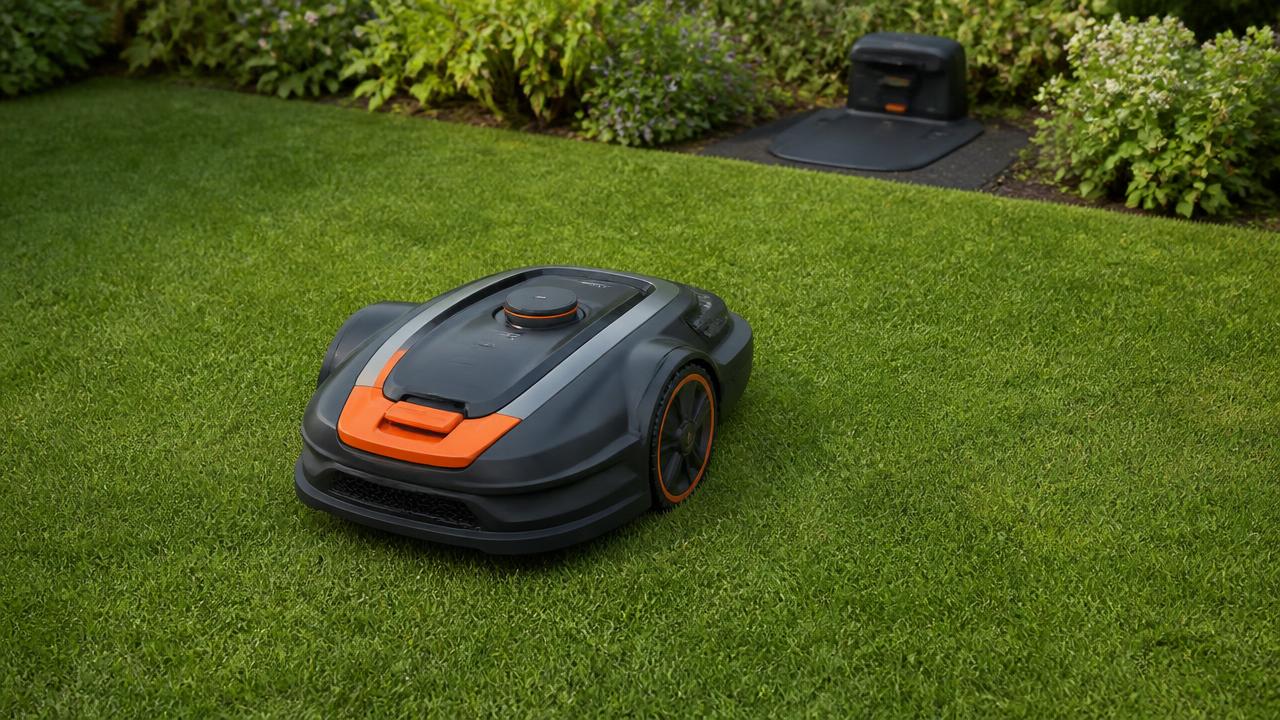
Best Robot Lawn Mower UK 2026: 6 Wire-Free Picks Tested
The best robot lawn mower UK buyers can get in 2026 is wire-free, no-RTK and hedgehog-safe. We tested the Eufy C15 and three alternatives on real UK lawns — honest reviews, coverage limits, and buying advice.
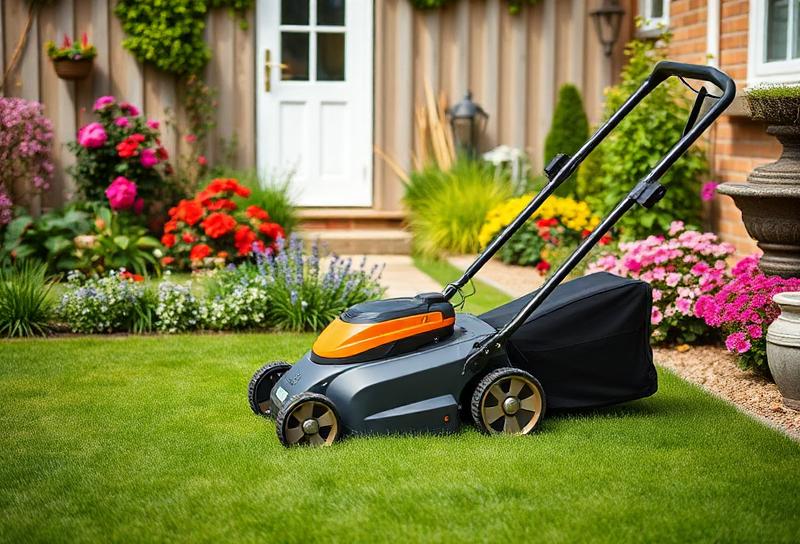
Best Lawn Mower for Small Garden UK (2026): Top Picks Under £300
The best lawn mower for small garden UK shoppers can buy in 2026 — compact, easy to store and tested on real UK lawns. Compare Bosch, Flymo, Einhell and Gardena side by side.
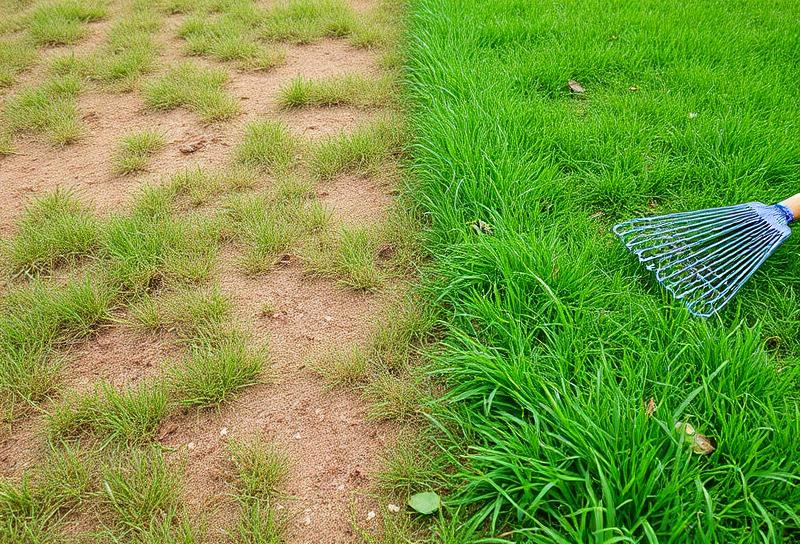
How to Fix Bare Patches in Lawn UK: A Step-by-Step Repair Guide
Bare patches and bare spots in your lawn are frustrating but fixable. Learn the common causes, proven repair steps, and how to prevent bare patches from returning in UK gardens.