
Best Patio Heaters for UK Gardens
Extend your outdoor season with efficient patio heating. Gas, electric, and infrared options compared.
This article contains affiliate links. We may earn a commission at no extra cost to you.
Quick Summary
Extend your outdoor season with efficient patio heating. Gas, electric, and infrared options compared. Gas, electric, and infrared patio heaters compared for UK gardens — with running cost calculations and placement advice.
Introduction
A good patio heater extends your outdoor season by months, making spring evenings and autumn nights comfortable. But with gas, electric, and infrared options at wildly different price points, choosing the right one matters. This guide compares the main types, breaks down running costs, and helps you pick the best heater for your setup.
Patio Heater Types
Gas (Freestanding)
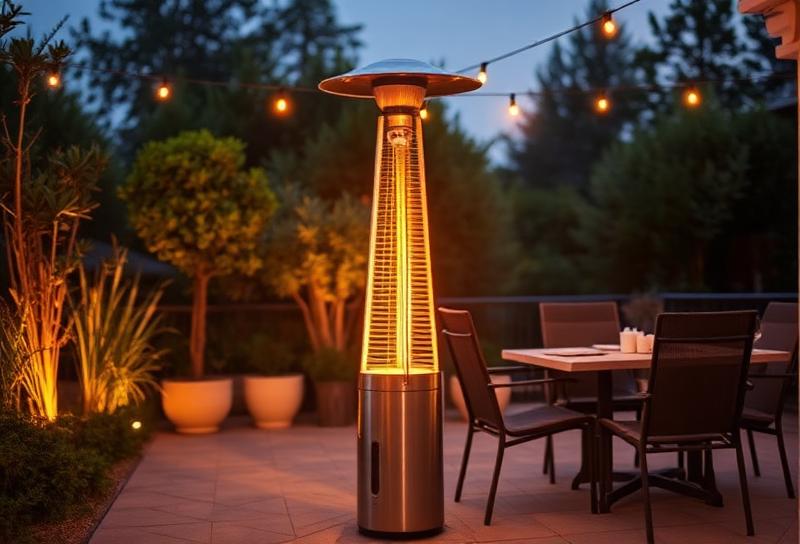
The classic mushroom-style heater. Powerful heat, no mains needed. Higher running costs (£2–£4/hour on propane). Best for open areas.
Electric (Infrared)
Wall or ceiling mounted. Instant heat, lower running costs (40p–£1/hour). Silent, no fumes. Perfect for covered patios and pergolas.
Tabletop Gas
Compact, portable, and affordable. Lower heat output — best for small groups. Runs on small propane canisters.
Pyramid/Flame Heaters
Gas-powered with a visible flame column. A visual feature as well as a heater. More expensive to buy and run but stunning.
Running Cost Comparison
Gas heaters cost roughly £2–£4 per hour to run (depending on the size and gas prices). Electric infrared heaters cost 40p–£1.50 per hour at typical electricity rates. Over a season (say, 100 hours of use), that's £200–£400 for gas versus £40–£150 for electric. Electric wins on running costs, but gas provides more powerful, radiant warmth in open spaces.
Placement and Safety
- ✓ Keep gas heaters at least 1 metre from any combustible surface
- ✓ Mount electric heaters at least 2.2 metres high for safety and even heat distribution
- ✓ Ensure gas heaters are used in well-ventilated areas — never enclosed spaces
- ✓ Secure freestanding heaters against wind — use a weighted base
- ✓ Cover or store heaters when not in use to extend lifespan
Our Recommendations
For most covered patios, a wall-mounted infrared heater (1.5kW–3kW) is the best value for money — instant heat, low running costs, and no gas bottles to manage. For open gardens, a quality gas patio heater provides the warmth you need. Look for models with tip-over safety switches and adjustable heat settings.
View Best Patio Heaters on AmazonRecommended Buying Guides
Looking for the right products? These guides have you covered:
Browse Outdoor Living on Amazon"Electric infrared is the future of patio heating. It's cheaper to run, maintenance-free, and you never need to swap a gas bottle in the dark."
— James Thornton, Home Gardening Pedia
Frequently Asked Questions
Can I use a patio heater under a covered area?
Electric heaters are fine under cover. Gas heaters need adequate ventilation — at least two open sides. Never use gas heaters in fully enclosed spaces.
How long does a gas bottle last?
A standard 13kg propane cylinder lasts approximately 10–15 hours on a full-size patio heater at maximum output. Smaller 5kg bottles last 4–6 hours.
Are patio heaters bad for the environment?
Gas heaters produce CO2 and are less efficient than electric. If environmental impact matters, choose electric infrared powered by renewable energy tariff.
Related Reading
Written by
James Thornton
Tools & Equipment Editor
James tests and reviews garden tools and power equipment. With a background in landscape design, he brings a practical, hands-on approach to every review.
Related Articles
Best Outdoor Storage Boxes for Garden Tools
Keep your garden tidy and tools protected. We compare waterproof deck boxes and tool stores for every garden size.
How to Create the Perfect Outdoor Dining Area
From choosing furniture to lighting and layout, everything you need to build an inviting alfresco dining space.
Garden Lighting Ideas: A Practical Guide
Illuminate your garden beautifully with solar, LED, and low-voltage lighting options for paths, patios, and features.