
Summer Watering: How Much, How Often, and When
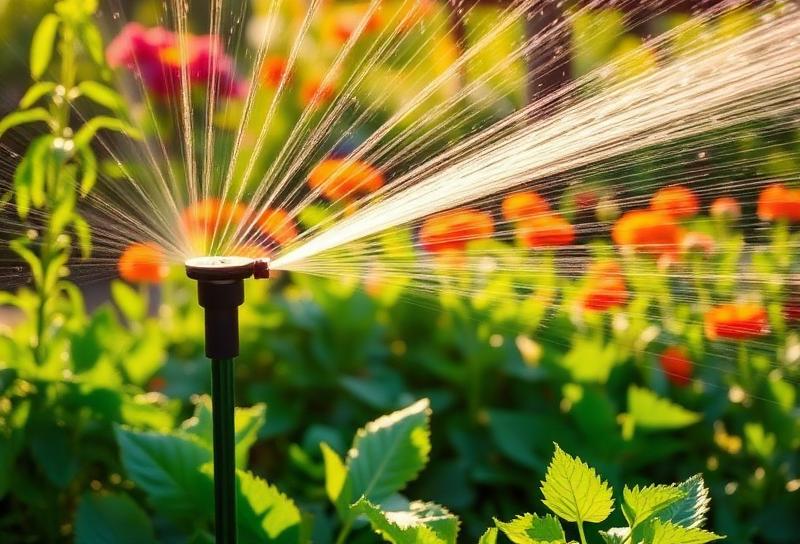
Master the art of summer watering to keep your garden thriving through heat waves without wasting water.
This article contains affiliate links. We may earn a commission at no extra cost to you.
Quick Summary
Master the art of summer watering to keep your garden thriving through heat waves without wasting water. Learn the golden rules of summer watering: when to water, how much, which plants need most, and how to conserve water.
Introduction
Getting watering right in summer is the difference between a thriving garden and a struggling one. Most gardeners water too often, too shallowly, or at the wrong time. This guide teaches you the science and practice of effective summer watering — so you can keep your garden healthy without wasting water or your time.
The Golden Rules of Watering
- ✓ Water in the early morning (before 10am) — less evaporation and gives foliage time to dry
- ✓ Water deeply but infrequently — aim for the roots, not the surface
- ✓ One deep watering per week beats daily sprinkling
- ✓ Water the base of plants, not the leaves — wet foliage encourages disease
- ✓ Use mulch to reduce water loss from evaporation by up to 70%
- ✓ Group plants with similar water needs together
How Much Water Do Plants Need?
Established Borders
Most established perennials and shrubs need watering only during prolonged dry spells (2+ weeks without rain). A deep soak every 7–10 days is sufficient.
Vegetables
Growing veg need consistent moisture, especially when flowering and fruiting. Tomatoes, courgettes, and beans need daily watering in hot weather.
Containers
Pots dry out fastest — check daily in summer. Large pots hold moisture better. Add water-retaining gel crystals to compost at planting time.
Lawns
Established lawns recover from drought naturally and rarely need watering. If you must water, do one thorough soak per week rather than daily light watering.
Water-Saving Tips
A drip irrigation system or soaker hose is the most water-efficient way to irrigate. They deliver water directly to roots with minimal waste. Connect to a timer for hands-off watering. Collect rainwater in water butts — it's free, plants prefer it, and a single butt can supply months of container watering. Mulch all beds with 5–8cm of organic material to dramatically reduce water loss.
View Best Garden Hoses & Watering SystemsRecommended Buying Guides
Looking for the right products? These guides have you covered:
Browse Seasonal on Amazon"The best watering system I know is a thick layer of mulch. It holds moisture, suppresses weeds, feeds the soil, and reduces your watering workload by half."
— Emma Greenfield, Home Gardening Pedia
Frequently Asked Questions
Is it bad to water plants in the afternoon sun?
It's not harmful to plants (the 'leaf burn' myth is mostly false), but it's wasteful — up to 50% of water evaporates. Morning watering is much more efficient.
How do I know if I'm overwatering?
Signs include yellowing lower leaves, mushy stems, fungal growth, and soil that never dries. Let the top 2–3cm of soil dry between waterings.
Should I water my lawn during a drought?
Established lawns go dormant and brown during drought but recover when rain returns. Save your water for vegetables and containers.
Related Reading
Written by
Emma Greenfield
Garden Design Writer
Emma focuses on garden design, outdoor living, and seasonal growing. She writes practical guides that make gardening accessible to complete beginners.
Related Articles
A Month-by-Month Garden Checklist
Never miss a seasonal task again. Your complete monthly guide to sowing, pruning, feeding, and protecting your garden year-round.
The Complete Spring Garden Preparation Guide
Get your garden ready for the growing season with this comprehensive spring preparation checklist and timeline.
Autumn Garden Cleanup: Your Essential Checklist
Prepare your garden for winter with this thorough autumn cleanup guide covering borders, lawns, and storage.