
Autumn Garden Cleanup: Your Essential Checklist
Prepare your garden for winter with this thorough autumn cleanup guide covering borders, lawns, and storage.
This article contains affiliate links. We may earn a commission at no extra cost to you.
Quick Summary
Prepare your garden for winter with this thorough autumn cleanup guide covering borders, lawns, and storage. Your complete autumn garden checklist covering borders, lawns, storage, composting, and winter preparation tasks.
Introduction
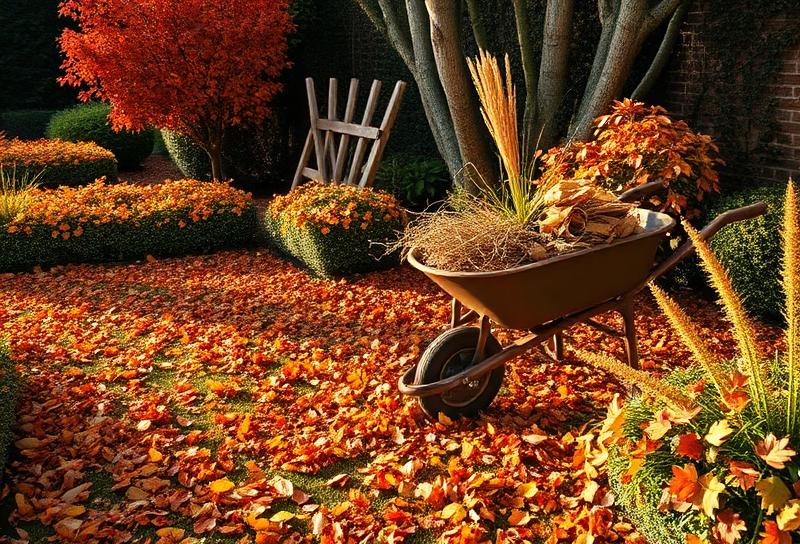
Autumn cleanup isn't just about tidying — it's about setting your garden up for winter survival and spring success. The tasks you do in September, October, and November directly affect how well your plants come through winter and how strong they start in spring. This checklist covers everything from cutting back perennials to preparing your lawn, storing tools, and protecting tender plants.
Borders and Beds
- ✓ Cut back faded perennials but leave seed heads for wildlife where possible
- ✓ Dig up and store tender bulbs (dahlias, cannas, gladioli) after first frost
- ✓ Plant spring bulbs — daffodils, crocus in September; tulips in November
- ✓ Apply a thick mulch of compost to all beds and borders
- ✓ Divide large clumps of perennials and replant to fill gaps
- ✓ Remove annual bedding plants and add to compost heap
Autumn Lawn Care
Final mows at gradually lower settings
Continue mowing into October/November, gradually reducing cutting height to 3cm for the last mow of the season.
Scarify and aerate
Use a scarifier to remove thatch (dead grass) and aerate with a hollow-tine aerator to relieve compaction. Best done in September/October.
Apply autumn lawn feed
Use a low-nitrogen, high-potash feed to strengthen roots and improve disease resistance over winter. Never use spring feed in autumn.
Overseed bare patches
September is the ideal time to overseed thin areas. Soil is still warm and autumn rain helps germination.
Composting in Autumn
Autumn generates huge amounts of compostable material. Shred woody prunings, mix leaves with grass clippings, and turn your heap regularly. Collect fallen leaves separately for leaf mould — bag them in black bin bags with a few holes, wet slightly, and leave for 12–24 months. Don't compost diseased plant material — bin it instead.
View Best Compost BinsWinter Preparation
- ✓ Insulate outdoor containers with bubble wrap
- ✓ Move tender plants to greenhouse or indoors
- ✓ Clean and oil all garden tools before storing
- ✓ Drain and store garden hoses
- ✓ Protect outdoor taps with lagging
- ✓ Check greenhouse glass and replace broken panes
Recommended Buying Guides
Looking for the right products? These guides have you covered:
Browse Seasonal on Amazon"Autumn is the most underrated gardening season. What you do now determines 70% of next year's success. Don't skip it."
— James Thornton, Home Gardening Pedia
Frequently Asked Questions
Should I cut back all perennials in autumn?
Not necessarily. Leave structural stems and seed heads for winter interest and wildlife. Cut back anything diseased or mushy. Tidy the rest in early spring.
When should I plant spring bulbs?
Daffodils, crocus, and alliums go in September–October. Tulips are best planted in November when soil is cooler, which reduces the risk of tulip fire disease.
Is it too late to feed my lawn in autumn?
No — apply autumn feed (low nitrogen, high potash) in September or October. It strengthens roots for winter. Avoid spring/summer feed which promotes soft growth.
Related Reading
Written by
James Thornton
Tools & Equipment Editor
James tests and reviews garden tools and power equipment. With a background in landscape design, he brings a practical, hands-on approach to every review.
Related Articles
A Month-by-Month Garden Checklist
Never miss a seasonal task again. Your complete monthly guide to sowing, pruning, feeding, and protecting your garden year-round.
The Complete Spring Garden Preparation Guide
Get your garden ready for the growing season with this comprehensive spring preparation checklist and timeline.
Summer Watering: How Much, How Often, and When
Master the art of summer watering to keep your garden thriving through heat waves without wasting water.