
Protecting Your Garden Through Winter: A Complete Guide
Shield vulnerable plants, prepare soil, and plan ahead with these essential winter gardening strategies.
This article contains affiliate links. We may earn a commission at no extra cost to you.
Quick Summary
Shield vulnerable plants, prepare soil, and plan ahead with these essential winter gardening strategies. How to protect plants, soil, and infrastructure from frost, snow, and waterlogging through the coldest months.
Introduction
Winter doesn't have to mean the end of your garden. With proper protection, most plants will survive even the harshest British winters. The key is preparation — protecting vulnerable plants, maintaining soil health, and ensuring your garden infrastructure survives frost and wet weather. This guide covers everything you need to do to keep your garden safe from November through February.
Protecting Plants from Frost
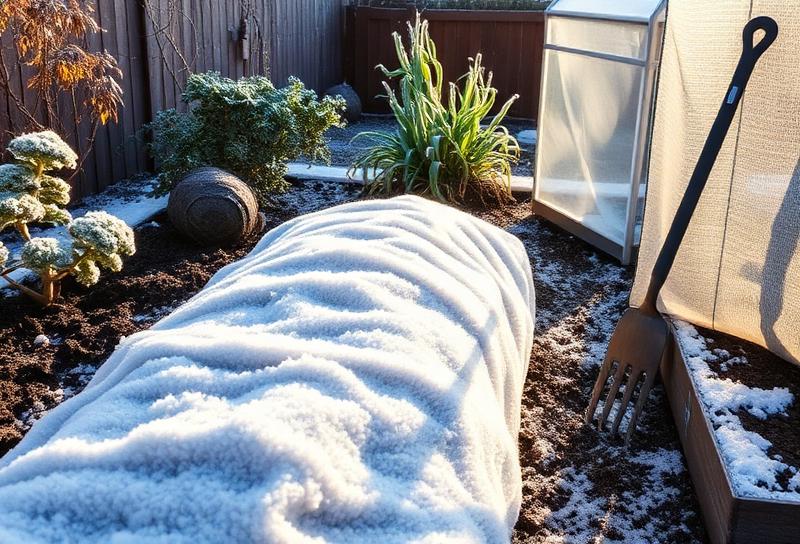
Wrap tender plants in horticultural fleece
Double-wrap tree ferns, banana plants, and Mediterranean shrubs. Remove on mild days to prevent moisture build-up.
Mulch roots heavily
Apply 10–15cm of bark mulch or straw around the base of tender perennials and shrubs. This insulates roots from freezing.
Move containers under cover
Group pots against house walls (warmest microclimate) or move to a greenhouse/shed. Raise pots on feet to prevent waterlogging.
Protect alpines from wet, not cold
Alpine plants handle frost well but hate winter wet. Cover rock garden plants with a glass or polycarbonate cloche to keep rain off.
Winter Soil Care
- ✓ Avoid walking on waterlogged soil — it causes lasting compaction
- ✓ Cover bare soil with mulch or green manure to prevent erosion
- ✓ Let frost break up clay clods naturally — rough-dig heavy soil in November
- ✓ Add well-rotted manure to empty veg beds and leave over winter
- ✓ Don't dig or cultivate frozen soil — wait for a thaw
Protecting Garden Infrastructure
- ✓ Lag outdoor taps and exposed pipes with foam insulation
- ✓ Drain and store hoses, watering systems, and water features
- ✓ Clean and oil all tools, sharpen blades, and store in a dry place
- ✓ Check fences and trellis for damage — repair before winter storms
- ✓ Clear gutters on sheds and greenhouses to prevent water damage
- ✓ Ensure greenhouse ventilation works — overheating on sunny winter days damages plants
Plants for Winter Interest
Winter doesn't have to be dull. Plant winter-flowering shrubs like witch hazel, winter jasmine, and mahonia for scent and colour. Cornus (dogwood) and Salix (willow) provide stunning stem colour. Evergreen grasses, heathers, and hellebores maintain structure and interest through the darkest months. Plan a winter border near your most-used window for maximum enjoyment.
Recommended Buying Guides
Looking for the right products? These guides have you covered:
Browse Seasonal on Amazon"Winter isn't a time to stop gardening — it's a time to protect what you've built. Twenty minutes of preparation in November saves hours of damage repair in spring."
— Sarah Mitchell, Home Gardening Pedia
Frequently Asked Questions
What temperature damages plants?
Most UK-hardy plants tolerate down to -5°C to -10°C. Tender plants (dahlias, cannas, banana plants) are damaged below 0°C. Check plant hardiness ratings (H1–H7) when buying.
Should I stop watering in winter?
Reduce watering significantly, but don't stop entirely. Plants in containers and greenhouses still need occasional water. Check soil moisture before watering.
Can I prune in winter?
Yes — winter is ideal for pruning deciduous trees, shrubs, and fruit trees (except cherries and plums, which risk silver leaf disease). Avoid pruning spring-flowering shrubs until after they bloom.
Related Reading
Written by
Sarah Mitchell
Senior Gardening Editor
Sarah has been gardening for over 15 years and holds an RHS Level 3 qualification. She specialises in organic growing methods and small-space gardening.
Related Articles
A Month-by-Month Garden Checklist
Never miss a seasonal task again. Your complete monthly guide to sowing, pruning, feeding, and protecting your garden year-round.
The Complete Spring Garden Preparation Guide
Get your garden ready for the growing season with this comprehensive spring preparation checklist and timeline.
Summer Watering: How Much, How Often, and When
Master the art of summer watering to keep your garden thriving through heat waves without wasting water.