
When to Cut Back Lavender UK: The Two-Cut Rule
Lavender never reshoots from bare wood, so timing and depth decide whether your plant lasts four years or fifteen. The July deadhead and the late-August shaping cut, explained.
This article contains affiliate links. We may earn a commission at no extra cost to you.
Quick Summary
Lavender never reshoots from bare wood, so timing and depth decide whether your plant lasts four years or fifteen. The July deadhead and the late-August shaping cut, explained. Lavender is short-lived only when it's pruned badly. Two cuts a year, never into bare wood, and a plant that would have gone leggy in four years will stay tight and flowering for fifteen.
Why Timing Matters More With Lavender Than Almost Anything
Lavender does not regenerate from old wood. Cut into the bare, grey, twiggy base and that stem is finished — it will not shoot again, and you're left with a permanent hole. This single fact explains every sad, sprawling, hollow-centred lavender plant in Britain. The other half of the problem is season: prune too late in autumn and the soft regrowth you trigger gets killed by the first hard frost, which often takes the plant with it. The safe UK pattern is a light trim after the first flush of flowers and a proper shaping cut in late August or early September, leaving at least six weeks of growing weather before the cold arrives.
The Two Cuts a UK Lavender Needs Each Year
Cut 1 — deadhead after flowering (July)
Once the first flush of flowers fades, shear off the spent flower stalks just into the top of the leafy growth. On English lavender this often triggers a lighter second flush in September. Take the stems when they're just past their best if you want them for drying.
Cut 2 — the shaping cut (late August to early September)
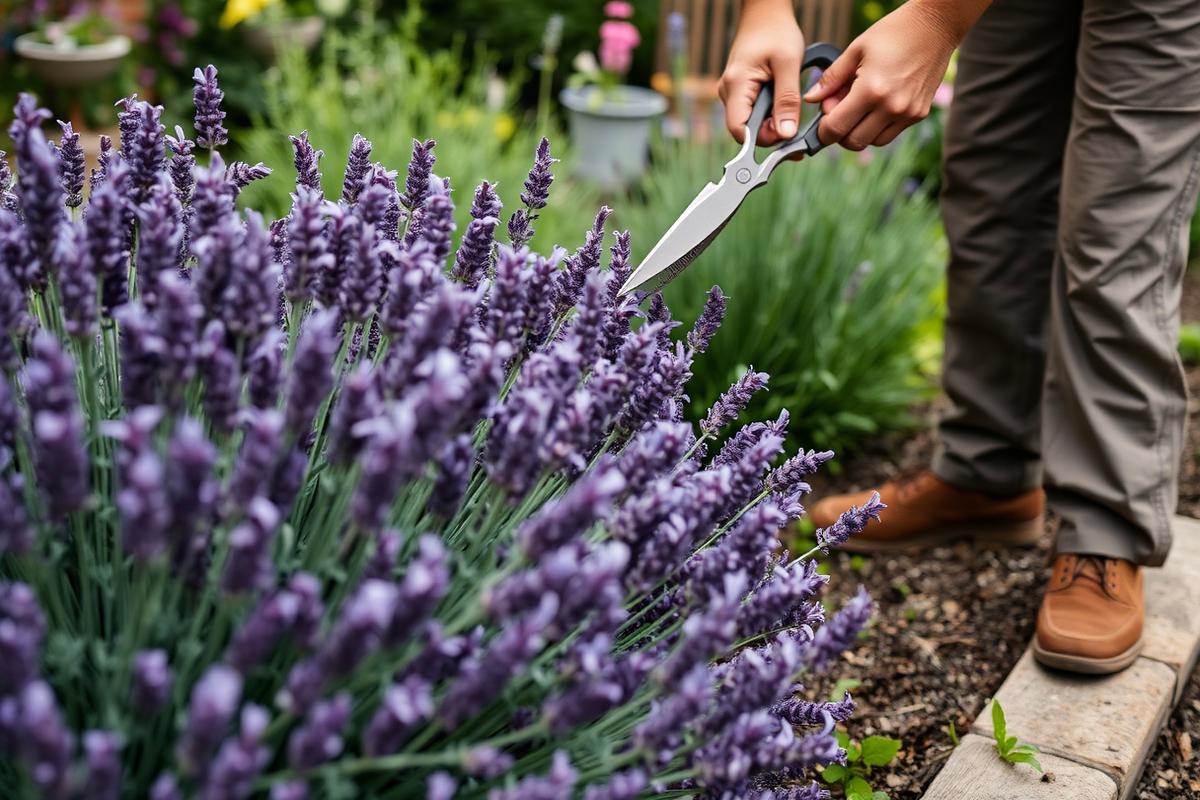
This is the one that keeps the plant alive. Shear the whole plant into a tight dome, removing roughly a third of the season's growth. Leave 5–8cm of green, leafy stem above the woody base everywhere — never expose bare wood.
Check for green before every cut
Run your hand into the bush and look at where the leaves stop and the grey wood begins. Set your shear line above that point, all the way round. If a section has no green left, it's already dead — cut it out at the base and let neighbouring stems fill the gap.
Shape as a dome, not a flat top
A domed profile sheds UK winter rain and holds less snow, which prevents the classic split-down-the-middle collapse. Work round the plant rather than across it.
Clear the debris
Rake clippings out of the crown. Lavender hates sitting damp; a mat of trimmings on the base invites rot over winter.
English vs French vs Lavandin — Different Rules
English (Lavandula angustifolia)
The hardiest and most forgiving. Deadhead in July, shape in late August. Fully hardy across the UK, including Scotland, on free-draining soil.
Lavandin (L. x intermedia, e.g. 'Grosso')
Bigger, later flowering, cut in early September. Slightly less hardy than English lavender but fine in most of England and Wales.
French / Spanish (L. stoechas)
The 'rabbit-ear' type. Trim lightly after each flush through summer and stop by late August. Half-hardy — protect or move pots into shelter over winter in cold areas.
Pot-grown lavender
Same timing, but be stricter about drainage: gritty compost, feet raised off the paving, and no saucer collecting winter rain. Wet roots kill more container lavender than cold does.
Can You Prune Lavender in Spring?
Yes, but only as a light tidy, and only in April once new growth is clearly moving. Spring pruning is a rescue, not a routine: if you missed the late-summer cut, trim lightly in mid-April to remove frost-damaged tips and the old flower stalks, then resume normal timing in July. What spring will not do is fix a leggy plant. Cutting a woody lavender hard in March in the hope it will bush out is how most lavenders die. If a plant is already hollow and sprawling, take softwood cuttings in June — they root in three weeks and you'll have a full replacement within a year for the price of a bag of compost. That's the honest answer nobody wants: old lavender is replaced, not renovated.
Mistakes That Kill UK Lavender
- ✗ Cutting into bare grey wood — it will not reshoot
- ✗ Pruning in October or November, triggering soft growth just before frost
- ✗ Skipping the late-summer cut entirely, so the plant goes leggy within three seasons
- ✗ Feeding with rich fertiliser or planting into heavy, improved soil — lavender wants lean and gritty
- ✗ Mulching with bark or compost against the stems, which holds damp around the crown
- ✗ Overwatering established plants; once settled, they need almost nothing in a normal UK summer
Keeping Lavender Alive Through a UK Winter
- ✓ Plant in the sunniest, driest spot you have — six hours of direct sun minimum
- ✓ Add horticultural grit to clay soil, or plant on a slight mound to lift the crown
- ✓ Mulch with gravel or grit, never bark or compost
- ✓ Raise pots onto feet from November so they drain freely
- ✓ Take cuttings every third year so you always have a young replacement coming on
- ✓ Skip the fertiliser — poor soil produces the most scented, most compact plants
Shears and Kit Worth Owning
A pair of light one-handed sheep shears or short-bladed hedging shears makes lavender pruning a five-minute job per plant and gives a far neater dome than secateurs snipping stem by stem. Add a bag of horticultural grit for mulching and improving the planting hole, and a small propagator or bag of gritty cutting compost if you want to raise replacements from June cuttings. That's genuinely the whole kit list — lavender rewards spending less on it, not more.
Shop Hedging Shears, Grit & Lavender CareRecommended Buying Guides
Looking for the right products? These guides have you covered:
- Best Raised Garden Beds for Vegetables
- Best Compost Bin UK (2026): Tumblers, Hot Bins & Budget Picks
- Best Slug Control Products for Gardens
"Lavender isn't a short-lived plant — it's a badly pruned one. Cut it into a dome every late August, never into the grey wood, and fifteen years is normal."
— Emma Greenfield, Home Gardening Pedia
Frequently Asked Questions
When should I cut back lavender in the UK?
Give it two cuts: deadhead spent flower stalks in July, then shape the whole plant into a dome in late August or early September, removing about a third of the season's growth and always leaving green leafy stem above the woody base.
Can you cut lavender back hard?
No. Lavender does not reshoot from bare old wood, so cutting into the grey woody base kills that stem permanently. Take no more than a third of the current year's growth and always leave 5–8cm of leafy stem.
Is it too late to cut back lavender in October?
Yes, in most of the UK. A late cut pushes out soft growth that frost then kills. If you've missed the window, leave it alone over winter and tidy lightly in April instead.
How do I fix a leggy, woody lavender?
Realistically you don't. Hard pruning old wood usually kills it. Take softwood cuttings in June — they root in about three weeks — and replace the plant, keeping the old one until the new ones establish.
Should I prune French lavender the same way?
French or Spanish lavender (the rabbit-ear type) is trimmed lightly after each flush through summer, stopping by late August. It's less hardy than English lavender, so pots are best moved to a sheltered spot for winter.
Do I need to feed lavender?
No. Lavender evolved on poor, stony Mediterranean soil. Feeding produces soft, floppy growth with less scent and shortens the plant's life. Free drainage and full sun matter far more than nutrition.
Written by
Emma Greenfield
Garden Design Writer
Emma focuses on garden design, outdoor living, and seasonal growing. She writes practical guides that make gardening accessible to complete beginners.
Related Articles
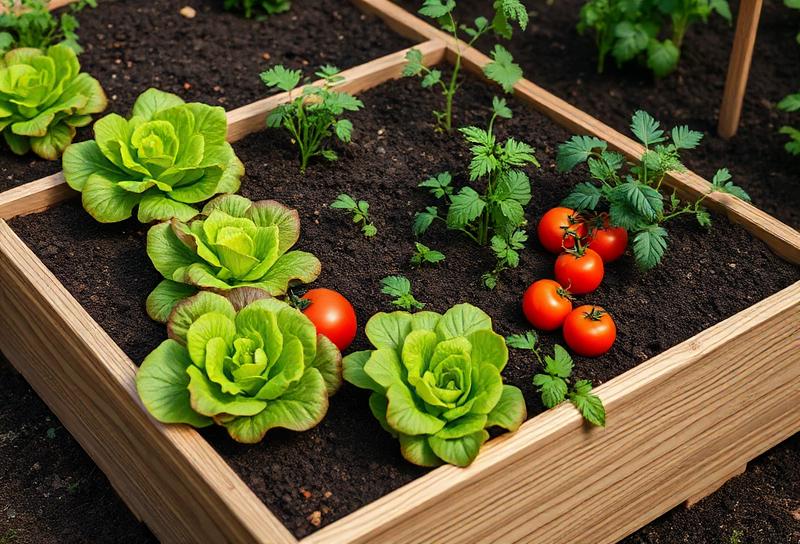
Best Raised Garden Beds for Vegetables
Grow more in less space. Our top picks for raised beds that deliver excellent drainage, durability, and growing results.
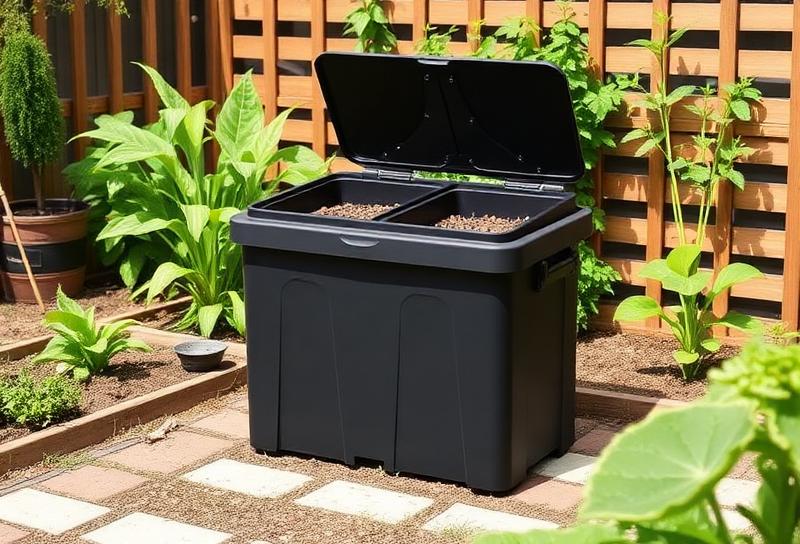
Best Compost Bin UK (2026): Tumblers, Hot Bins & Budget Picks
The best compost bin UK homes can buy in 2026 — turn kitchen scraps into garden-ready compost. We compare tumblers, hot composters and traditional council bins for every budget.
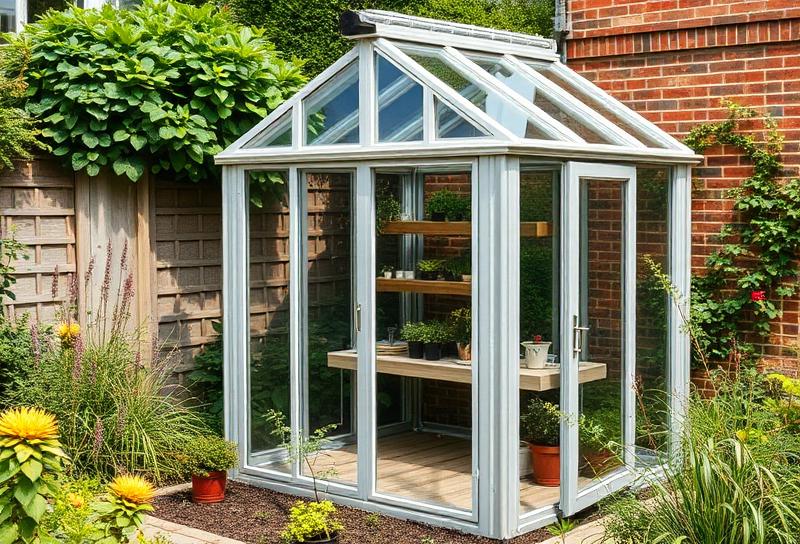
Best Small Greenhouses UK 2026: 7 Picks Under £500
We tested the UK's most popular compact greenhouses through a full British growing season. Honest reviews, real overwintering performance, and the best small greenhouse picks under £500 for tight gardens, patios and balconies.