When to Prune Hydrangeas UK: Timing by Type
Prune a mophead in March and you keep the flowers; prune it in autumn and you lose them. Here's the correct UK pruning window for all five hydrangea types, plus how to renovate an overgrown shrub.

This article contains affiliate links. We may earn a commission at no extra cost to you.
Quick Summary
Prune a mophead in March and you keep the flowers; prune it in autumn and you lose them. Here's the correct UK pruning window for all five hydrangea types, plus how to renovate an overgrown shrub. Almost every 'my hydrangea didn't flower' email I get traces back to pruning at the wrong time. Work out which of the five UK hydrangea types you own, and the timing answers itself.
Identify Your Hydrangea Before You Cut Anything
There is no single right time to prune a hydrangea, and that is the entire reason so many UK gardens have big healthy green bushes that never flower. Some hydrangeas set next summer's flower buds in late summer of the year before — cut those in spring and you remove every bloom. Others flower on shoots produced in the current season, so they can be cut hard in March and flower better for it. Before you pick up secateurs, look at the plant in flower and match it to one of the five groups below. If you genuinely can't tell, do nothing for one full year except deadhead in spring — a season of watching costs you nothing, while one wrong March cut costs you a summer.
Pruning Times by Hydrangea Type
Mophead & Lacecap (H. macrophylla)
Flowers on old wood. Leave the faded heads on over winter as frost protection, then cut back to the first fat pair of buds below each old flower in late March or early April. Never cut into old wood in spring unless you're renovating.
Paniculata (e.g. 'Limelight')
Flowers on new wood. Prune hard in late February to early April — take last year's stems back to a framework 30–60cm tall. Hard pruning gives fewer, larger cones; light pruning gives more, smaller ones.
Arborescens (e.g. 'Annabelle')
Flowers on new wood. Cut back to 25–45cm in early spring. Leaving a slightly taller framework helps stop those heavy white heads flopping after summer rain.
Climbing (H. petiolaris)
Flowers on old wood. Prune only after flowering in July, and only to control size or remove dead growth. Established plants need almost nothing.
Oakleaf (H. quercifolia)
Flowers on old wood. Prune immediately after flowering, and only lightly — remove weak, crossing or dead stems. It rarely needs more.
How to Prune a Mophead in Spring — Step by Step
Wait until late March
In most of the UK, wait until the risk of hard frost has passed and you can see buds swelling. In Scotland and exposed northern gardens, mid-April is safer. Those brown heads look untidy all winter, and they are doing a job — they shield the buds beneath them.
Snap off the dead flower head
Follow each faded head down the stem to the first pair of plump green buds. Cut just above them with clean, sharp secateurs. That's the whole job for a healthy plant.
Remove the three Ds
Take out anything dead, damaged or diseased, cutting back to healthy wood or to the base. Dead stems are hollow, brown and snap rather than bend.
Thin one or two old stems
On established plants, cut one or two of the oldest, thickest stems right down to ground level each year. Over four or five years this rejuvenates the whole shrub without ever losing a season of flowers.
Mulch and feed
Finish with a 5cm mulch of compost or well-rotted manure over damp soil, keeping it off the stems. Hydrangeas are hungry, shallow-rooted and hate drying out.
Renovating an Overgrown Hydrangea
If you've inherited a mophead that's two metres across, woody at the base and flowering only at the tips, it can be rescued. You have two options. The gradual method is to remove a third of the oldest stems to ground level each spring for three years — you keep flowers throughout and the shrub rebuilds itself. The drastic method is to cut everything to 30cm in March; the plant will regrow strongly but you'll get little or no flower that summer and often only a partial display the next. I use the gradual method on anything I care about and the drastic one only where a shrub is blocking a path. Either way, feed and water generously afterwards: renovation pruning triggers a lot of growth and a dry June will undo it.
Pruning Mistakes That Cost You Flowers
- ✗ Cutting mopheads and lacecaps back hard in autumn — you remove next year's buds and expose the plant to frost
- ✗ 'Tidying' every stem to the same height with shears, which removes the fat flowering buds and leaves the weak ones
- ✗ Pruning climbing hydrangea in spring instead of straight after flowering
- ✗ Cutting into thick old wood on macrophylla in spring hoping for flowers that year
- ✗ Deadheading too early — a hard April frost after a mild March can kill exposed buds
- ✗ Pruning with blunt secateurs, which crush stems and invite dieback
Aftercare That Makes the Difference
- ✓ Mulch annually in spring with compost or leaf mould to hold moisture
- ✓ Water deeply in dry spells — hydrangeas wilt fast in UK heatwaves, especially in pots
- ✓ Feed with a balanced granular fertiliser in April, not a high-nitrogen lawn feed
- ✓ Move pot-grown plants into afternoon shade; full south-facing sun scorches the flowers
- ✓ For blue flowers on macrophylla, keep soil acidic with ericaceous compost and a colourant — pink is the default on chalky UK soils
The Kit I Use for Hydrangea Pruning
You need surprisingly little: a sharp pair of bypass secateurs for anything up to pencil thickness, a pair of loppers for old basal stems on a renovation job, and a bottle of garden disinfectant to wipe blades between plants if any dieback is present. Anvil secateurs crush hydrangea stems rather than slicing them, so bypass is the type to buy. Add a bag of well-rotted manure or compost for mulching in the same trip — pruning and feeding are one job, not two.
Shop Bypass Secateurs, Loppers & MulchRecommended Buying Guides
Looking for the right products? These guides have you covered:
- Best Raised Garden Beds for Vegetables
- Best Compost Bin UK (2026): Tumblers, Hot Bins & Budget Picks
- Best Small Greenhouses UK 2026: 7 Picks Under £500
"If you learn one thing about hydrangeas, learn which wood yours flowers on. Every other pruning question answers itself after that."
— Sarah Mitchell, Home Gardening Pedia
Frequently Asked Questions
When should I prune hydrangeas in the UK?
It depends on the type. Mophead, lacecap, climbing and oakleaf hydrangeas flower on old wood: prune mopheads and lacecaps in late March or early April, and climbing and oakleaf types straight after flowering. Paniculata and Annabelle-type arborescens hydrangeas flower on new wood and are pruned hard between late February and early April.
Can I cut hydrangeas back in autumn?
Not mopheads or lacecaps — you'd remove next year's flower buds and leave the plant exposed to frost. Leave the faded heads on until spring. Paniculata and arborescens can be shortened in autumn to stop wind rock, with the real pruning done in spring.
Why didn't my hydrangea flower this year?
The three usual causes are pruning at the wrong time, a late frost hitting the buds after early deadheading, and too much shade or nitrogen feed. Our full guide to hydrangeas not flowering walks through all six causes.
How far back can I cut an overgrown hydrangea?
A macrophylla can be cut to 30cm in March and will regrow, but expect one or two seasons without flowers. Removing a third of the oldest stems each year for three years achieves the same rejuvenation while keeping the display.
Should I deadhead hydrangeas?
Yes, but in spring rather than at the end of summer. The dry heads insulate the buds beneath them over winter. Snap or cut them off down to the first pair of healthy buds once frost risk has passed.
Do hydrangeas in pots need pruning differently?
The timing is identical, but pot plants benefit from harder thinning to keep the top growth in proportion with the rootball, plus repotting or top-dressing every second spring.
Written by
Sarah Mitchell
Senior Gardening Editor
Sarah has been gardening for over 15 years and holds an RHS Level 3 qualification. She specialises in organic growing methods and small-space gardening.
Related Articles
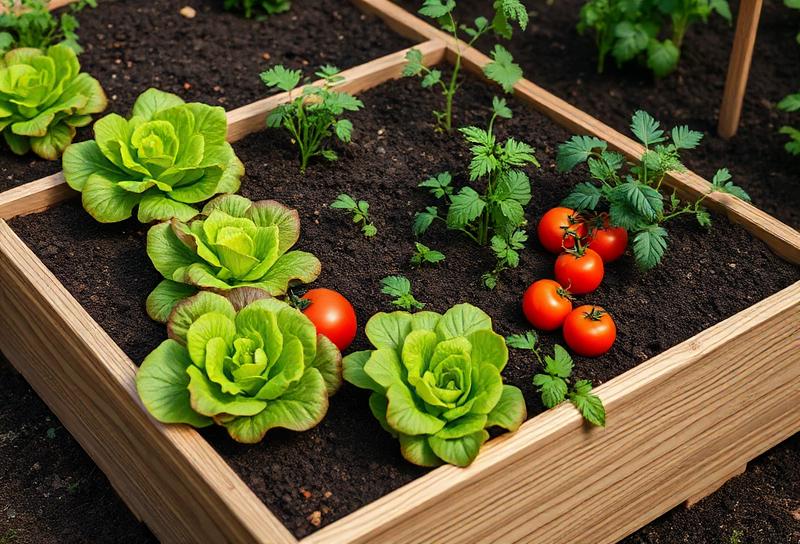
Best Raised Garden Beds for Vegetables
Grow more in less space. Our top picks for raised beds that deliver excellent drainage, durability, and growing results.
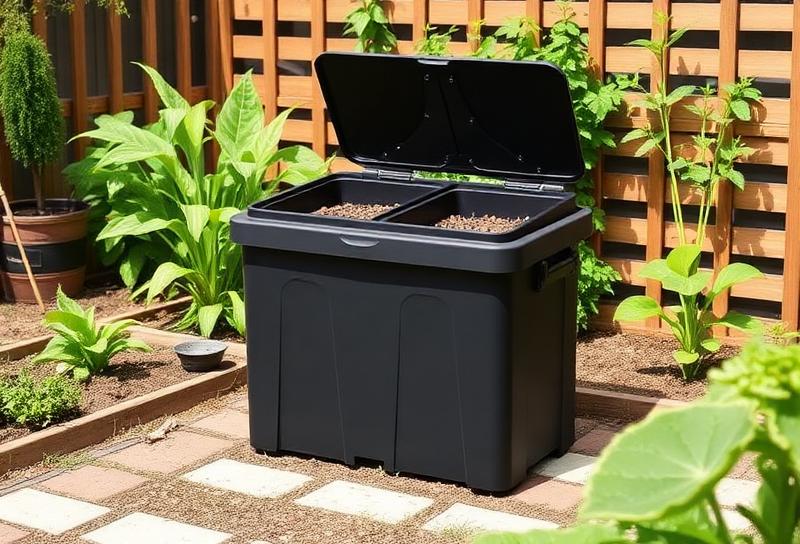
Best Compost Bin UK (2026): Tumblers, Hot Bins & Budget Picks
The best compost bin UK homes can buy in 2026 — turn kitchen scraps into garden-ready compost. We compare tumblers, hot composters and traditional council bins for every budget.
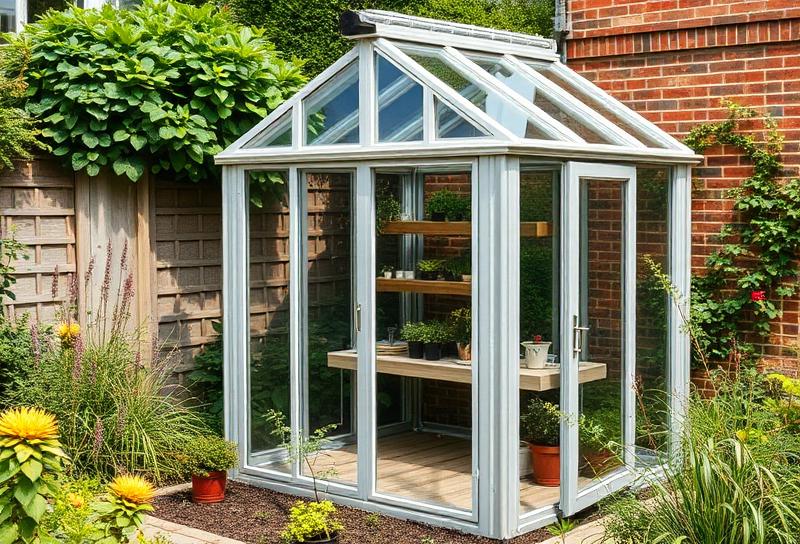
Best Small Greenhouses UK 2026: 7 Picks Under £500
We tested the UK's most popular compact greenhouses through a full British growing season. Honest reviews, real overwintering performance, and the best small greenhouse picks under £500 for tight gardens, patios and balconies.