
Why Are My Hydrangeas Not Flowering? 6 Reasons (and Fixes)
Big leafy hydrangea, no blooms? It's almost always one of six things — and most are fixed by changing when or how hard you prune. Here's the real solution.
This article contains affiliate links. We may earn a commission at no extra cost to you.
Quick Summary
Big leafy hydrangea, no blooms? It's almost always one of six things — and most are fixed by changing when or how hard you prune. Here's the real solution. We diagnose every common reason a UK hydrangea refuses to bloom — from wrong-time pruning to frost damage — and give you the exact fix for each, with the timing that gets flowers back next summer.
Introduction
Few garden frustrations beat a healthy-looking hydrangea covered in lush leaves but not a single flower. The good news: it's almost always one of six fixable problems. The fix depends entirely on which hydrangea you have, so step one is identifying your variety. Then we work through the diagnosis in order of likelihood.
Step 1: Identify Your Hydrangea
Mophead / Lacecap (H. macrophylla)
Most common in UK gardens. Flowers on OLD wood (last year's stems). Wrong-time pruning is the #1 cause of no flowers.
Paniculata (cone-shaped flowers)
Flowers on NEW wood. Prune hard in late winter for big blooms.
Arborescens ('Annabelle')
Also flowers on new wood. Very forgiving — prune in March.
Climbing (H. petiolaris)
Flowers on old wood. Takes 3–5 years to establish before first blooms.
The 6 Reasons Hydrangeas Don't Flower
Pruned at the wrong time (most common)
Cutting mophead/lacecap hydrangeas in autumn or early spring removes next year's flower buds. Only deadhead in spring — leave faded blooms on over winter for frost protection.
Late frost killed the buds
Mopheads form flower buds in autumn. A hard April frost can kill them all. Cover with horticultural fleece if frost is forecast after buds swell.
Too much shade
Hydrangeas need at least 4 hours of sun (morning sun is ideal). Deep shade gives lush leaves but no flowers. Thin overhanging branches or move the plant.
Too much nitrogen feed
Lawn feed drift or high-nitrogen fertilisers cause leaf growth at the expense of flowers. Switch to a high-potash feed like rose or tomato food in spring.
Plant is too young or recently moved
Newly planted or transplanted hydrangeas often skip a year or two of flowering while establishing roots. Be patient — water well and don't feed heavily.
Drought stress in summer
Hydrangeas hate dry roots. A parched plant in July aborts the following year's flower buds. Mulch deeply and water weekly in dry spells.
Best Products to Get Hydrangeas Flowering
After two seasons trialling products, these consistently get reluctant hydrangeas back into bloom: Westland Hydrangea Feed (high-potash, balanced for flower formation), Empathy Mycorrhizal Fungi (transformative for newly moved or struggling plants), Strulch Mineralised Straw Mulch (locks in summer moisture — the single best drought defence), and quality horticultural fleece for protecting buds against late spring frosts. Used together you'll often see flowering restored the following summer.
Shop Hydrangea Care Essentials on AmazonWhen to Prune (UK Calendar)
- ✓ Mophead/Lacecap — late March/early April only, cut back to first fat pair of buds
- ✓ Paniculata — late February to mid-March, can cut back hard by half
- ✓ Arborescens — late February, cut to 30cm from ground for biggest blooms
- ✓ Climbing hydrangea — after flowering in late summer, only to control size
- ✓ All types — deadhead spent flowers in spring, not autumn
Mistakes That Kill Flowering
- ✗ Tidying up hydrangeas in autumn — removes next year's buds
- ✗ Feeding a lawn fertiliser nearby (high nitrogen)
- ✗ Hard pruning a macrophylla 'to refresh it'
- ✗ Letting pots dry out in July (kills bud formation for next year)
- ✗ Moving a mature plant and expecting flowers the same year
Recommended Buying Guides
Looking for the right products? These guides have you covered:
Browse Garden Problems & Solutions on Amazon"If a customer brings me one problem more than any other, it's a non-flowering hydrangea — and 9 times out of 10 the answer is 'stop cutting it back in October'. Identify the type, leave the heads on for winter, prune in March, and you'll be amazed."
— Emma Greenfield, Home Gardening Pedia
Frequently Asked Questions
My hydrangea has loads of leaves but no flowers — what's wrong?
Almost certainly one of: pruned at wrong time, too much shade, too much nitrogen, or late frost damage. Identify your variety first then work through these in order.
Will my hydrangea flower next year if I stop pruning?
If you have a macrophylla mophead and stop autumn pruning, yes — usually within one year. Paniculatas should be pruned, just at the right time (late winter).
Can I make my hydrangea flowers blue or pink?
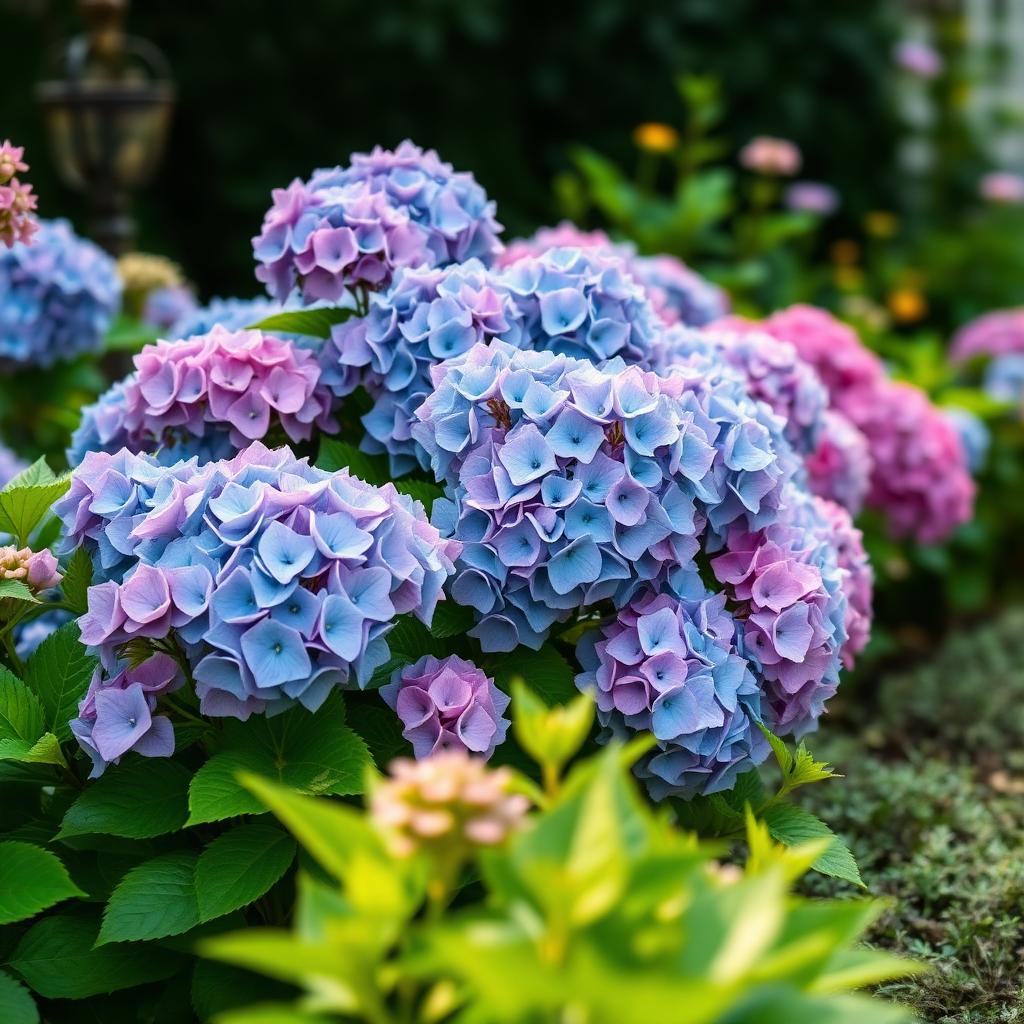
Only on macrophylla (mophead/lacecap). Acidic soil (pH <6) gives blue, alkaline (pH >7) gives pink. Use sulphur chips or hydrangea colourant from a garden centre.
How long does it take a newly planted hydrangea to flower?
Climbing hydrangeas can take 3–5 years. Mopheads, paniculatas and Annabelle types usually flower the first or second summer if planted with mycorrhizal fungi.
Should I deadhead hydrangeas?
Yes, but in spring only. Leave faded brown flower heads on over winter — they protect the developing buds beneath from frost.
Why are my Annabelle flowers floppy?
Usually too much shade, too much nitrogen, or watering from above. Plant in a sunnier spot, switch to high-potash feed, and water at the base.
Written by
Emma Greenfield
Garden Design Writer
Emma focuses on garden design, outdoor living, and seasonal growing. She writes practical guides that make gardening accessible to complete beginners.
Related Articles

How to Improve Clay Soil Naturally
Clay soil doesn't have to be a curse. Learn proven organic methods to improve drainage, structure, and fertility in heavy clay.
The Best Plants for Shady UK Gardens
Turn that dark corner into a lush retreat with these beautiful, low-light plants that thrive in British shade.
How to Fix Poor Garden Drainage: 7 Proven Solutions
Stop waterlogging ruining your garden. These practical drainage fixes work for lawns, borders, and raised beds.