
No-Dig Gardening for Beginners: Build a Bed in One Weekend
Skip the back-breaking digging. Learn exactly how to start a productive no-dig vegetable bed using cardboard and compost — over a single UK weekend.
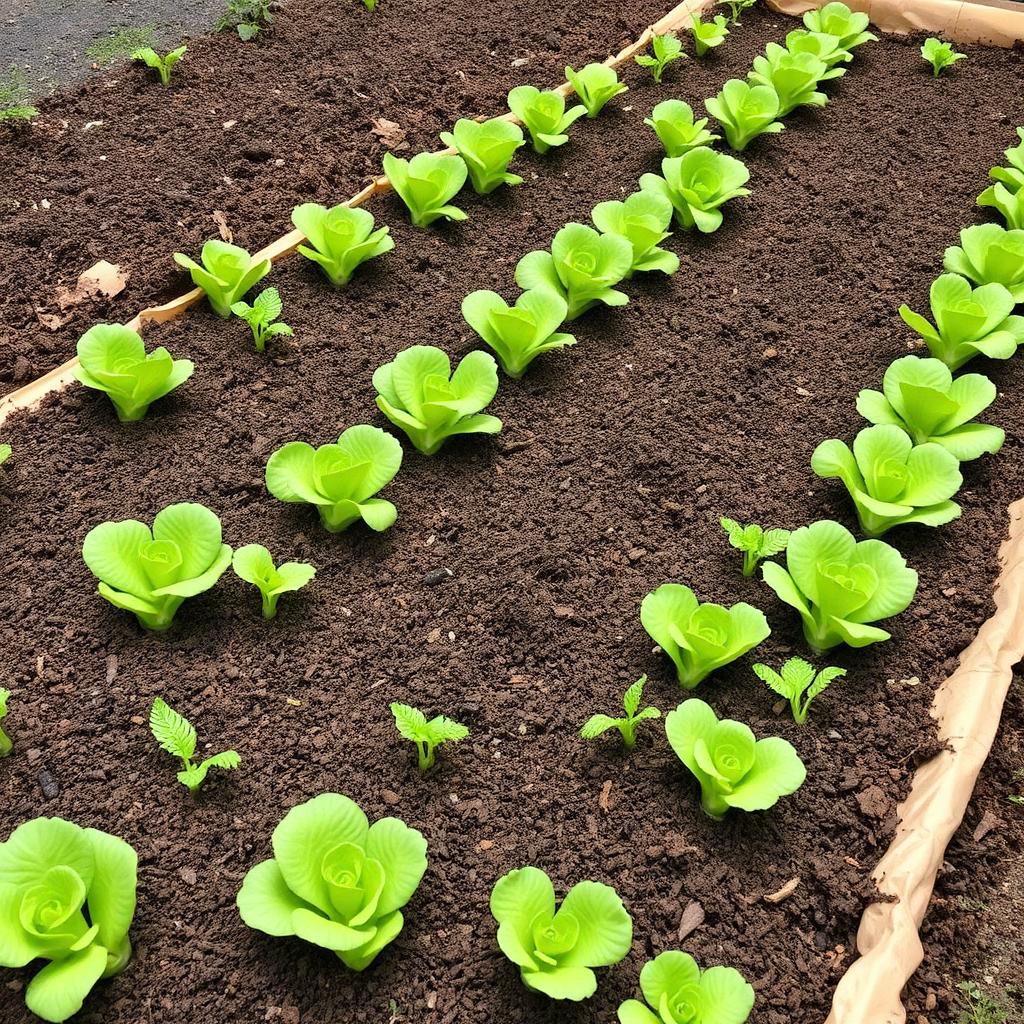
This article contains affiliate links. We may earn a commission at no extra cost to you.
Quick Summary
Skip the back-breaking digging. Learn exactly how to start a productive no-dig vegetable bed using cardboard and compost — over a single UK weekend. A complete beginner's no-dig plan: what to buy, how thick the layers should be, what to plant first, and how to keep weeds out — all achievable in a single UK weekend on any patch of grass or weeds.
Introduction
No-dig gardening (popularised in the UK by Charles Dowding) is the easiest, fastest way to start a vegetable bed. You don't dig, you don't weed for hours, you don't double-dig clay. You smother whatever's there with cardboard and pile compost on top — and you can plant the same day. Two seasons of trialling no-dig vs traditional dug beds in our own gardens convinced us: no-dig produces equal or better yields with a fraction of the effort. Here's the exact weekend plan.
Why No-Dig Actually Works
Digging breaks soil structure, exposes weed seeds to light (triggering germination), and disrupts the fungal networks that move nutrients to plant roots. No-dig keeps the soil ecosystem intact. The cardboard layer kills existing weeds by blocking light, then breaks down into worm food. Compost on top creates a perfect seed bed instantly. After 2–3 seasons your soil structure improves dramatically — and you've never lifted a spade.
What You Need (Shopping List)
- ✓ Plain brown cardboard — large boxes, all tape removed (free from supermarkets, white good shops)
- ✓ Compost — 10cm depth across your bed. For a 1.2m x 2.4m bed that's roughly 280–320 litres
- ✓ Optional wooden edging boards (untreated softwood works fine)
- ✓ Watering can or hose
- ✓ A few young plants or seeds to plant straight in
Your Weekend Plan
Saturday morning — choose and mark the spot
Pick a sunny spot (6+ hours sun). Mark out 1.2m x 2.4m (the classic no-dig size — you can reach the middle from either side). Don't strim the grass or weeds. Leave them.
Saturday midday — lay the cardboard
Soak cardboard sheets in a wheelbarrow of water. Lay them flat over the grass/weeds, overlapping edges by 15cm. No gaps — light kills the layer below.
Saturday afternoon — spread the compost
Tip compost on top to a uniform 10cm depth. Rake level. This single layer is your growing medium for year one. Water it in well.
Sunday morning — plant straight in
Plant young salad, brassicas, courgette, beetroot, chard or French beans direct into the compost. Sow seeds of carrots, radishes, lettuce. The cardboard below is irrelevant to the roots until it breaks down.
Sunday afternoon — water and mulch edges
Soak everything well. Tuck loose cardboard edges under the compost or weigh down with bricks. Job done — you've built a productive vegetable bed in one weekend.
Best Tools & Materials for No-Dig
After building dozens of no-dig beds, these are the products that genuinely make the job easier: a quality timber raised bed kit (the VegTrug or Forest Garden 1.2m x 2.4m kits assemble in 30 minutes), Strulch Mineralised Straw Mulch for topping up between crops, a long-handled Burgon & Ball border fork for the once-a-year top-up of compost, and the Hozelock 2-in-1 watering wand for gentle bed watering. Avoid the 'no-dig kits' on Amazon — most are just overpriced cardboard.
Shop No-Dig Essentials on AmazonBest First Crops for a New No-Dig Bed
Salad leaves & lettuce
Quickest reward — pickable in 4–6 weeks. Choose cut-and-come-again varieties.
Courgettes
One or two plants will crop heavily all summer in fresh compost.
Beetroot & chard
Forgiving, attractive, and double-cropping (leaves + roots).
French beans
Fix nitrogen and crop heavily. Sow direct from late May.
Radishes
30 days from sowing to plate. Perfect confidence booster.
Avoid year 1: parsnips & long carrots
Need to root through the cardboard. Wait until year 2.
Year 2 and Beyond
- ✓ Top up with 3–5cm of fresh compost each spring
- ✓ Never dig — pull weeds by hand (there will be very few)
- ✓ Mulch over winter with leaves or straw to feed worms
- ✓ Rotate crops loosely but don't stress about it
- ✓ Expect noticeably better yields by year 3
Mistakes That Sabotage No-Dig
- ✗ Leaving gaps in the cardboard (weeds shoot straight through)
- ✗ Skimping on compost depth — 10cm minimum is essential
- ✗ Using cheap, lumpy 'soil improver' instead of proper multi-purpose or peat-free compost
- ✗ Digging the bed 'just to mix it in'
- ✗ Planting root crops like parsnip in year 1
Recommended Buying Guides
Looking for the right products? These guides have you covered:
- Best Raised Garden Beds for Vegetables
- Best Compost Bin UK (2026): Tumblers, Hot Bins & Budget Picks
- Best Small Greenhouses UK 2026: 7 Picks Under £500
"I converted my whole allotment to no-dig in one autumn weekend and have never looked back. Yields are higher, weeding is minimal, and my back stopped hurting. There's no good reason to dig vegetable beds in 2026."
— James Thornton, Home Gardening Pedia
Frequently Asked Questions
Will no-dig really work on top of grass and weeds?
Yes — even on couch grass, brambles and bindweed (though those benefit from two layers of cardboard). The 10cm of compost smothers everything beneath within 8–12 weeks.
How much compost do I need for a no-dig bed?
Roughly 100 litres per square metre at 10cm depth. A standard 1.2m x 2.4m bed needs about 290 litres — three large bags of multi-purpose compost.
Does no-dig work in clay soil?
Brilliantly. It's actually the easiest way to garden clay because you never have to break it up. The worms do the work over 2–3 seasons.
Can I plant straight away or do I need to wait?
Plant straight away. The compost on top is a perfect growing medium from day one. The cardboard below is decomposing while the plants grow above it.
Is no-dig more expensive than a traditional bed?
Year 1 the compost cost is higher, but you save on tools, weed control, and time. By year 3 it's significantly cheaper because you barely add anything.
Will slugs be worse in a no-dig bed?
Sometimes in year 1, because mulch shelters them. By year 2 the ecosystem balances out and slug pressure usually drops below a dug bed.
Written by
James Thornton
Tools & Equipment Editor
James tests and reviews garden tools and power equipment. With a background in landscape design, he brings a practical, hands-on approach to every review.
Related Articles
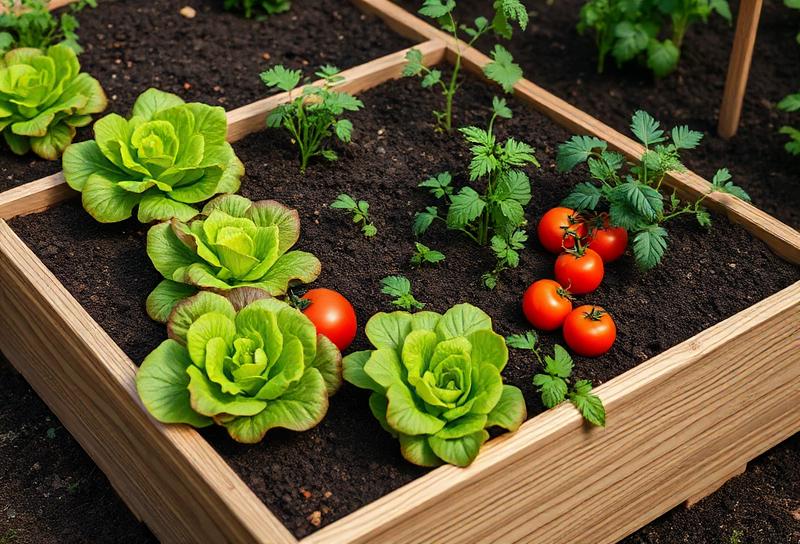
Best Raised Garden Beds for Vegetables
Grow more in less space. Our top picks for raised beds that deliver excellent drainage, durability, and growing results.
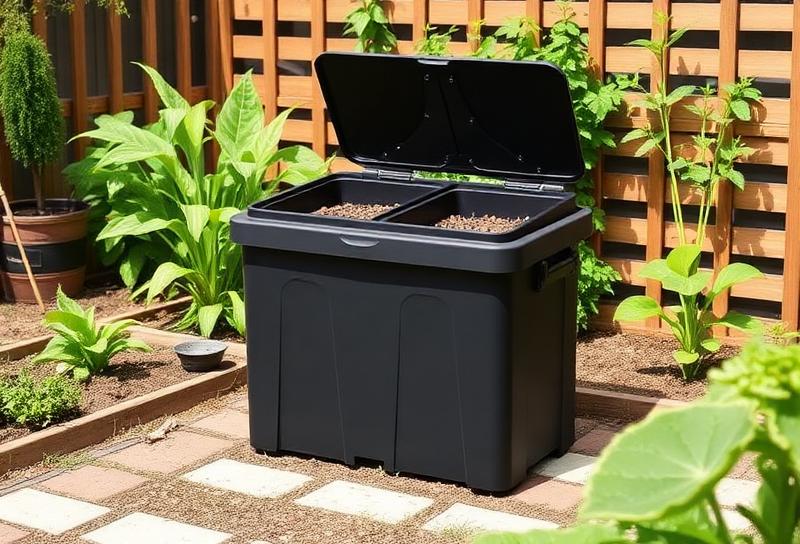
Best Compost Bin UK (2026): Tumblers, Hot Bins & Budget Picks
The best compost bin UK homes can buy in 2026 — turn kitchen scraps into garden-ready compost. We compare tumblers, hot composters and traditional council bins for every budget.
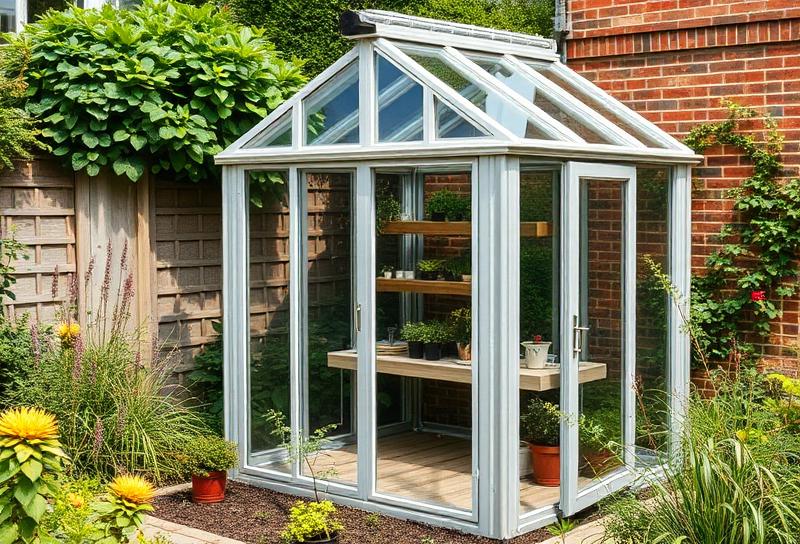
Best Small Greenhouses UK 2026: 7 Picks Under £500
We tested the UK's most popular compact greenhouses through a full British growing season. Honest reviews, real overwintering performance, and the best small greenhouse picks under £500 for tight gardens, patios and balconies.