
Why Is My Basil Turning Black Indoors? 7 Causes & Fixes
Indoor basil leaves blackening at the edges or stems? Here's exactly what's going wrong — and the simple fixes that revive a struggling pot in days.
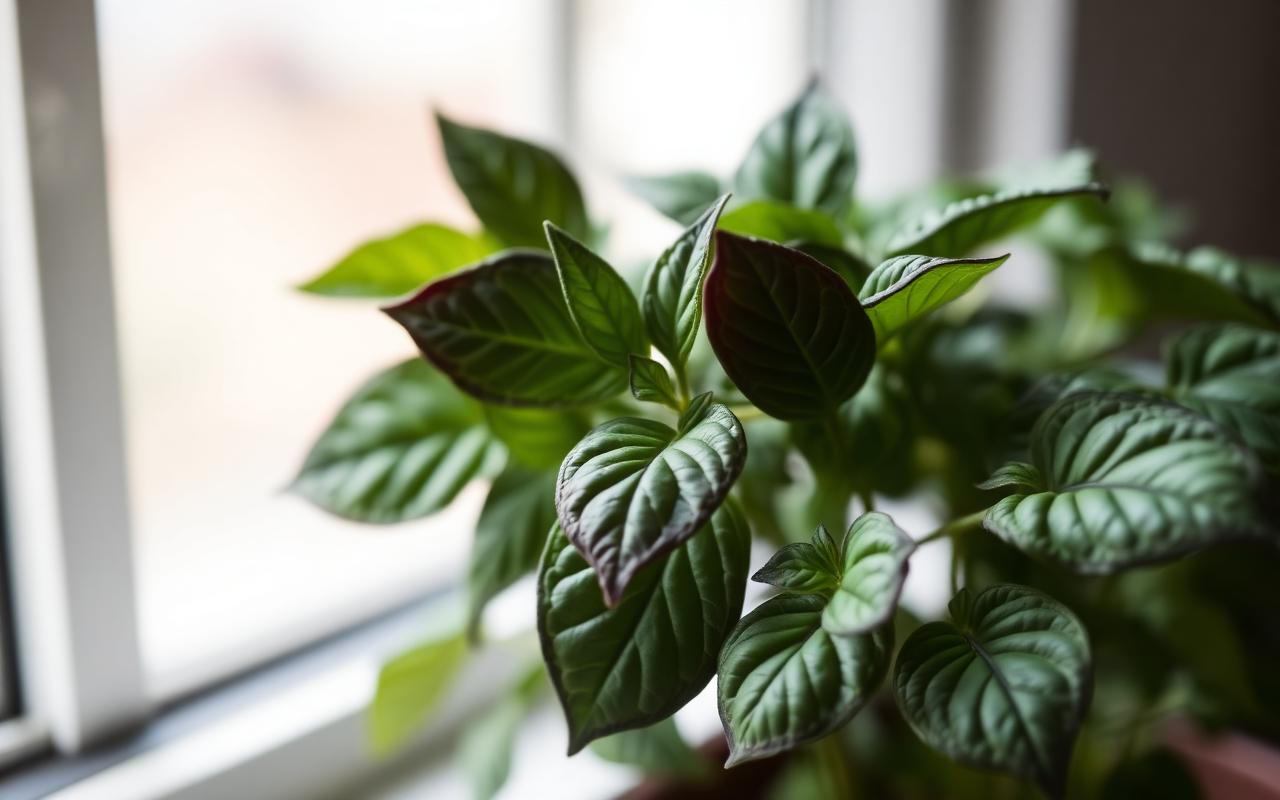
This article contains affiliate links. We may earn a commission at no extra cost to you.
Quick Summary
Indoor basil leaves blackening at the edges or stems? Here's exactly what's going wrong — and the simple fixes that revive a struggling pot in days. We cover the seven most common causes of black basil leaves indoors — from cold draughts and overwatering to fungal stem rot — with the exact fix for each, so you can rescue your plant in days rather than days losing it.
Introduction
Indoor basil is one of the most rewarding herbs to grow — until it isn't. One week the leaves are glossy and fragrant; the next, they're blackening at the edges, drooping at the stem, or turning crispy and dark overnight. The good news: black basil leaves almost always come down to one of seven specific causes, and once you identify yours, the fix is usually quick. This guide walks you through each cause in the order we see them most often, so you can stop guessing and start reviving your plant today.
1. Cold Shock (The #1 Cause Indoors)
Basil is a tropical herb. Anything below about 12°C will turn the leaves black within 24–48 hours, even if it never frosts. The biggest culprits indoors are cold windowsills overnight, draughts from a kitchen door, and supermarket basil that's been chilled in transit. If your basil blackened suddenly after a cold night, this is almost certainly why. Move the pot at least 30cm away from any cold glass after sunset, never sit it on a tiled or stone surface in winter, and keep it well clear of fridge or oven doors.
2. Overwatering & Root Rot
Supermarket basil is sold in pots that are dramatically overcrowded — often 20+ seedlings crammed into one tiny container. Watering them like a single houseplant drowns the roots, and the first symptom is blackening stems near the soil line. Lift the pot: if it feels heavy and the soil smells sour, you're overwatering. Let the top 2cm of compost dry out between waterings, water from the base by sitting the pot in a saucer for 10 minutes, and tip away any water that hasn't been absorbed.
Diagnose Your Basil in 60 Seconds
Check the stem base
Black, soft, mushy stems near the soil = root rot. Black, dry, crispy stems = cold shock. This single check rules out half the possibilities.
Look at the leaf pattern
Black edges only = cold or wind burn. Black spots in the middle = fungal disease (often downy mildew). Whole leaves blackening = severe cold or root failure.
Smell the soil
Sour, swampy smell = waterlogged. Healthy soil smells earthy and neutral. This is the fastest way to confirm overwatering.
Inspect the underside of leaves
Grey-purple fuzz under blackened leaves = downy mildew, which is incurable on the affected leaves. Remove infected foliage immediately and improve airflow.
Test the light level
Stretched, leggy stems with small darkening leaves often signal too little light. Basil needs 6+ hours of bright light to stay healthy.
3–7. The Other Five Causes
3. Downy Mildew
A fungal disease that's extremely common on indoor basil. Yellow tops, grey-purple fuzz underneath, then blackening. Bin affected leaves, never compost them, and improve airflow.
4. Sunburn / Heat Scorch
Basil loves light, but a south-facing windowsill in summer can scorch leaves to brown-black patches. Move 30cm back from the glass or use a sheer curtain in July–August.
5. Bruising From Handling
Basil bruises easily. Black smudges on leaves you've touched, brushed past, or packed in a shopping bag are mechanical damage, not disease.
6. Nutrient Deficiency
Yellowing-then-blackening older leaves on a long-lived plant usually means it's exhausted the compost. Feed weekly with a diluted liquid herb fertiliser.
7. Pot-Bound & Stressed
Supermarket pots are overcrowded. Split the clump into 3–4 smaller pots within a week of buying — this single step doubles the lifespan of most basil plants.
The 5-Minute Rescue Plan
- ✓ Snip away every blackened leaf and stem with clean scissors
- ✓ Move the pot to a warm, draught-free spot with bright but indirect light
- ✓ Check the soil moisture before watering — only water when the top feels dry
- ✓ If the plant is overcrowded, gently divide it into smaller clumps
- ✓ Pinch out the top set of leaves to encourage bushy regrowth
- ✓ Feed with a diluted liquid herb feed once a week during active growth
Best Products to Save Indoor Basil
If you keep losing basil to low light or cold windowsills, a small LED grow light and a self-watering herb pot will transform your success rate. Our top recommendations for indoor basil rescue are the GroLight LED Strip (clip-on, energy efficient, full-spectrum), Click & Grow Smart Garden 3 (self-watering with built-in light, ideal for beginners), Lechuza Mini Deltini Self-Watering Pot (perfect for splitting overcrowded supermarket basil), and a basic moisture meter such as the XLUX T10 to stop overwatering for good. These are the four products we recommend most often to readers struggling with leggy, blackening, or short-lived basil.
View Indoor Herb Essentials on AmazonPrevention: How to Keep Basil Alive Long-Term
- ✓ Repot supermarket basil within a week — split the clump into 3–4 pots
- ✓ Use a free-draining compost mix with added perlite or grit
- ✓ Water from below, never from above onto the leaves
- ✓ Keep ambient temperature between 18–24°C, never below 15°C overnight
- ✓ Pinch the growing tips weekly to keep the plant bushy and productive
- ✓ Feed every 7–10 days with a half-strength liquid feed in spring and summer
Recommended Buying Guides
Looking for the right products? These guides have you covered:
- Best Raised Garden Beds for Vegetables
- Best Compost Bin UK (2026): Tumblers, Hot Bins & Budget Picks
- Best Small Greenhouses UK 2026: 7 Picks Under £500
"Nine times out of ten when a reader sends me a photo of black basil, the cause is a cold windowsill overnight. Move the pot away from the glass after dark and most plants recover within a week."
— Sarah Mitchell, Home Gardening Pedia
Frequently Asked Questions
Why does my basil turn black overnight?
Almost always cold shock. Basil is tropical and reacts to temperatures below 12°C within hours. Check whether your windowsill drops in temperature overnight or if a draught is hitting the plant.
Can I eat basil leaves that are partially black?
Cut away the blackened parts and the rest of the leaf is still safe to eat, provided there's no fuzzy mould present. Discard any leaves with grey-purple fuzz on the underside, as that's downy mildew.
Will black basil leaves recover?
Individual blackened leaves won't turn green again — remove them. The plant itself usually bounces back in 7–10 days once you fix the underlying cause and prune away damaged growth.
Is it normal for basil to turn black after buying it from the supermarket?
Yes, very common. Supermarket basil is grown fast in greenhouses and chilled in transit. Splitting the overcrowded pot into smaller containers and moving it somewhere warm dramatically improves survival.
Should I mist my indoor basil?
No. Misting encourages fungal disease, including the downy mildew that causes blackening. Basil prefers dry leaves and damp roots — water at the base only.
How often should I water basil indoors?
Check daily but only water when the top 2cm of soil feels dry. In a typical UK home that's roughly every 3–5 days, less in winter.
Written by
Sarah Mitchell
Senior Gardening Editor
Sarah has been gardening for over 15 years and holds an RHS Level 3 qualification. She specialises in organic growing methods and small-space gardening.
Related Articles
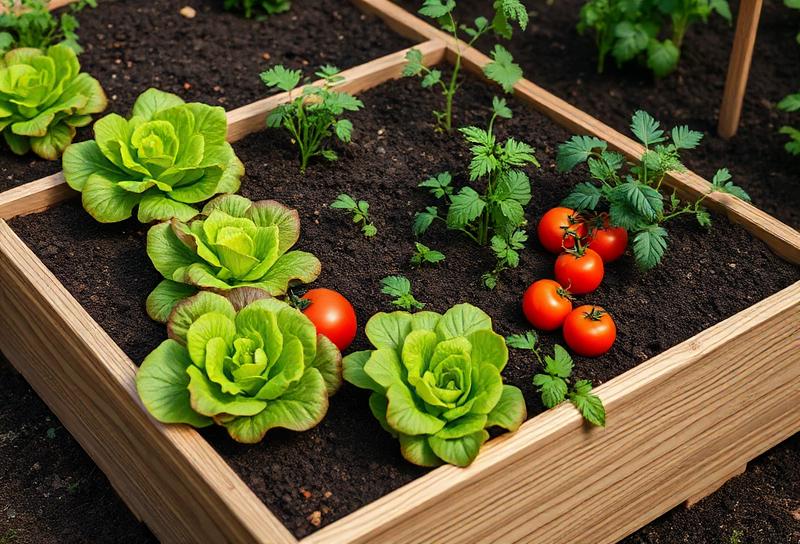
Best Raised Garden Beds for Vegetables
Grow more in less space. Our top picks for raised beds that deliver excellent drainage, durability, and growing results.
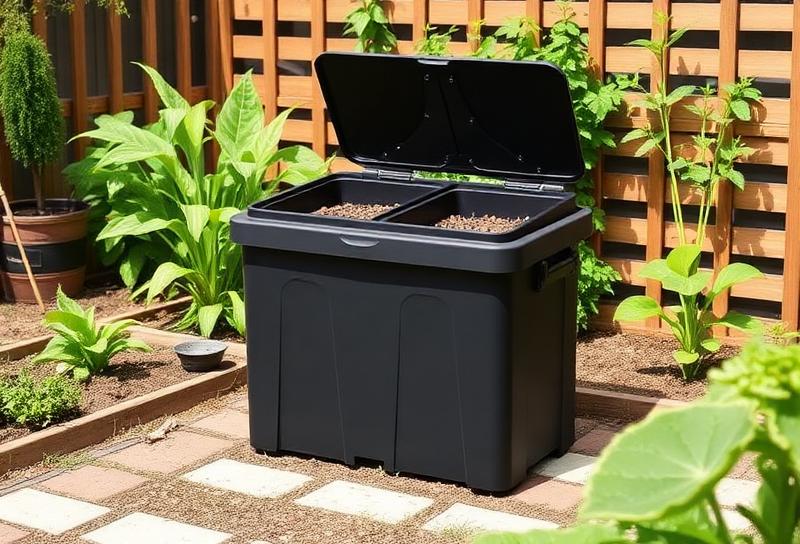
Best Compost Bin UK (2026): Tumblers, Hot Bins & Budget Picks
The best compost bin UK homes can buy in 2026 — turn kitchen scraps into garden-ready compost. We compare tumblers, hot composters and traditional council bins for every budget.
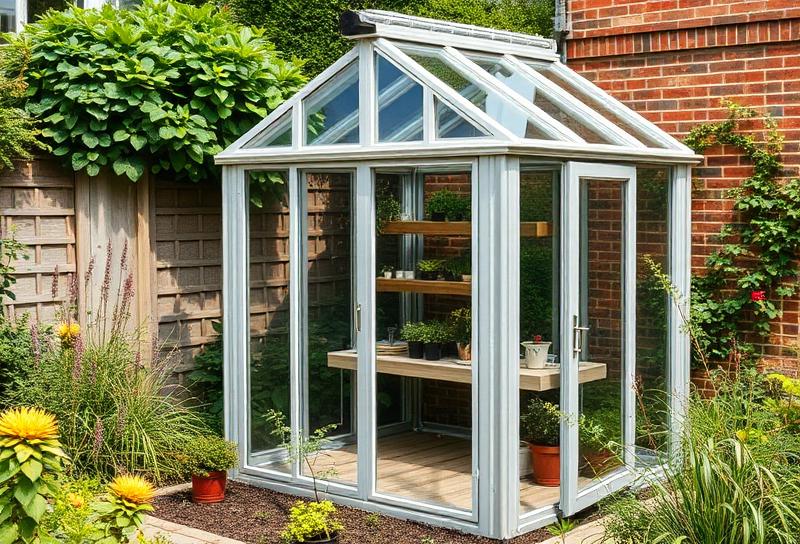
Best Small Greenhouses UK 2026: 7 Picks Under £500
We tested the UK's most popular compact greenhouses through a full British growing season. Honest reviews, real overwintering performance, and the best small greenhouse picks under £500 for tight gardens, patios and balconies.