
Common Plant Diseases: How to Identify and Treat Them
Spot the signs early and act fast. An illustrated guide to the most common plant diseases in UK gardens.
This article contains affiliate links. We may earn a commission at no extra cost to you.
Quick Summary
Spot the signs early and act fast. An illustrated guide to the most common plant diseases in UK gardens. An identification guide to the most common plant diseases in UK gardens with symptoms, causes, and treatment options.
Introduction
Spotting disease early is the key to saving your plants. Most common garden diseases are treatable if you act quickly and correctly. This guide helps you identify the most frequent plant diseases in UK gardens, understand what causes them, and learn effective treatment and prevention methods.
Common Fungal Diseases
Powdery Mildew
White powdery coating on leaves. Caused by dry roots and humid air. Improve air circulation, water roots not leaves, and remove affected foliage.
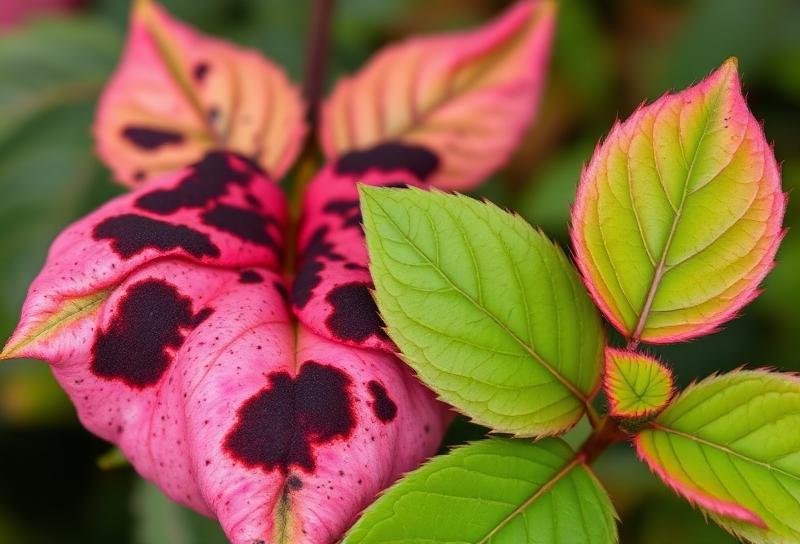
Black Spot (Roses)
Black spots with yellow halos on rose leaves. Remove infected leaves, clear fallen debris, and choose resistant varieties. Fungicide sprays help in severe cases.
Blight (Tomatoes/Potatoes)
Brown lesions on leaves and fruit. Caused by wet weather. Remove infected material, improve airflow, and grow resistant varieties. No cure once established.
Rust
Orange/brown pustules on undersides of leaves. Remove affected leaves, improve air circulation, and avoid overhead watering.
Grey Mould (Botrytis)
Fuzzy grey growth on flowers, fruit, and stems. Caused by cool, damp conditions. Remove affected parts and improve ventilation.
Club Root (Brassicas)
Swollen, distorted roots on cabbage family plants. Caused by acid soil fungus. Raise soil pH with lime and rotate crops strictly.
Disease Prevention Strategies
- ✓ Maintain good air circulation — don't overcrowd plants
- ✓ Water at the base of plants, not overhead
- ✓ Remove and dispose of infected material — don't compost it
- ✓ Rotate crops annually in vegetable gardens
- ✓ Choose disease-resistant varieties when available
- ✓ Keep tools clean — disinfect secateurs between plants when pruning diseased material
- ✓ Feed and mulch regularly to keep plants strong and healthy
- ✓ Clear fallen leaves and debris where diseases overwinter
When to Act
The golden rule with plant disease: act early. Remove a few affected leaves today instead of dealing with a whole infected plant next week. Regular inspection — even a 5-minute walk round your garden — catches problems before they spread.
Recommended Buying Guides
Looking for the right products? These guides have you covered:
Browse Garden Problems & Solutions on Amazon"Prevention is ten times more effective than cure in plant disease. Healthy soil, good hygiene, and resistant varieties solve 90% of disease problems before they start."
— Emma Greenfield, Home Gardening Pedia
Frequently Asked Questions
Can I compost diseased plants?
Generally no. Most home compost heaps don't reach temperatures high enough to kill disease organisms. Bag diseased material and dispose of it with household waste.
Are chemical fungicides necessary?
For most home gardens, cultural controls (removing affected material, improving conditions) are sufficient. Chemical fungicides are a last resort for valuable plants with persistent problems.
Why do my tomatoes always get blight?
Blight is caused by a water-borne organism that thrives in wet summers. Grow tomatoes under cover (greenhouse, polytunnel), improve airflow, and choose blight-resistant varieties like 'Crimson Crush'.
Related Reading
Written by
Emma Greenfield
Garden Design Writer
Emma focuses on garden design, outdoor living, and seasonal growing. She writes practical guides that make gardening accessible to complete beginners.
Related Articles
How to Improve Clay Soil Naturally
Clay soil doesn't have to be a curse. Learn proven organic methods to improve drainage, structure, and fertility in heavy clay.

The Best Plants for Shady UK Gardens
Turn that dark corner into a lush retreat with these beautiful, low-light plants that thrive in British shade.
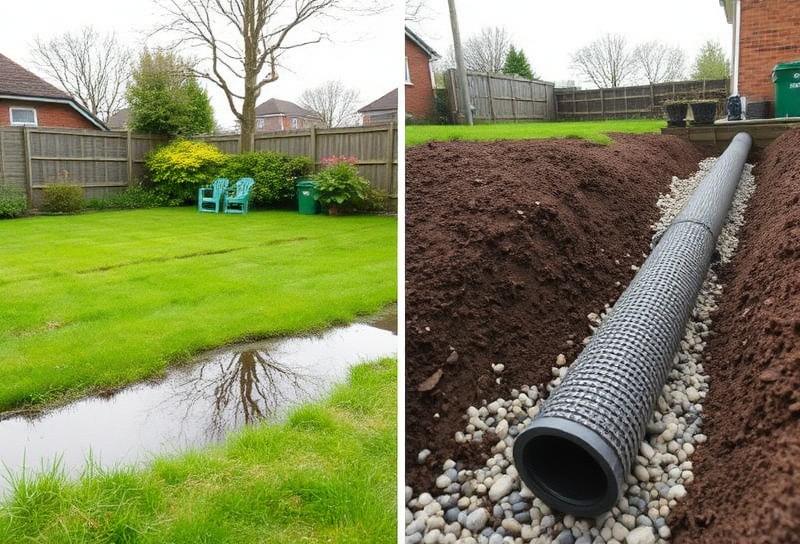
How to Fix Poor Garden Drainage: 7 Proven Solutions
Stop waterlogging ruining your garden. These practical drainage fixes work for lawns, borders, and raised beds.