
Composting for Beginners UK: The 5-Minute Setup
Skip the confusing green/brown ratios. This is the simplest UK composting method — the bin, the ratio, the fixes — that turns kitchen scraps into free garden gold in 6 months.
This article contains affiliate links. We may earn a commission at no extra cost to you.
Quick Summary
Skip the confusing green/brown ratios. This is the simplest UK composting method — the bin, the ratio, the fixes — that turns kitchen scraps into free garden gold in 6 months. Composting made stupidly simple. The one bin that works, the ratio you can eyeball, the five UK problems everyone hits — and how to have free, crumbly, garden-ready compost in six months without smelling out the neighbours.
The 5-Minute Method
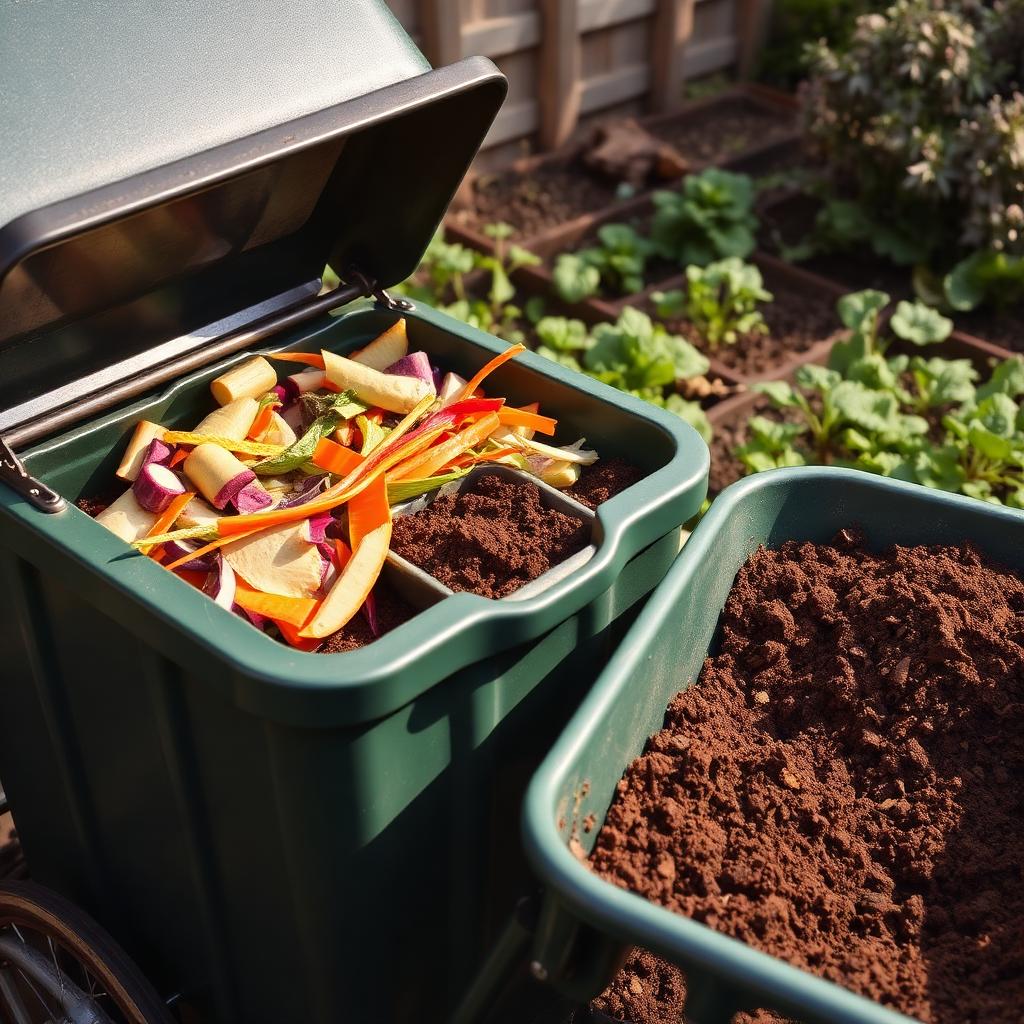
- ✓ One dark plastic 220–330L bin (Dalek-style, £30 from most councils)
- ✓ Ratio: roughly 50/50 by volume of 'greens' (kitchen scraps, grass) and 'browns' (cardboard, dry leaves)
- ✓ Every time you add a bin-full of kitchen waste, add the same volume of shredded cardboard
- ✓ Turn once a month if you can — skip it if you can't
- ✓ Ready compost in 6–9 months at the bottom of the bin
Choosing the Right Bin
Dalek-style plastic bin
Best all-rounder. Cheap (£25–£40 from most UK councils), heats well, keeps rats out.
Tumbler bin
Faster compost (8–12 weeks) but smaller capacity. Good for people who can't turn a heap.
Wooden pallet bay
Free and huge capacity. Slower and needs turning, but ideal for bigger UK gardens.
Hot bin
Insulated £190 bin that composts in 30 days including cooked food. Overkill for most households but genuinely brilliant.
What to Add (Greens & Browns)
Greens (nitrogen — wet stuff)
Fruit and veg peelings, tea bags (plastic-free only), coffee grounds, grass clippings, plant trimmings, chicken manure, weeds without seed heads.
Browns (carbon — dry stuff)
Cardboard (torn small, no tape), shredded paper, dry autumn leaves, straw, sawdust from untreated wood, wood ash in tiny amounts, egg cartons.
The eyeball rule
Kitchen caddy full of scraps going in? Add roughly the same volume of torn cardboard on top. Don't measure — just balance visually.
Water and turn
Should feel like a wrung-out sponge. If it smells sour, add browns. If nothing's happening, add greens or water.
What NOT to Compost (UK Home Bins)
- ✗ Cooked food, meat, fish, dairy — attracts rats and foxes
- ✗ Dog or cat faeces — pathogens survive home composting
- ✗ Perennial weed roots (bindweed, ground elder) — they regrow
- ✗ Diseased plant material (blight-affected tomato leaves)
- ✗ Coal ash, glossy magazine paper, sticker-covered fruit skins
Fixing the 5 Most Common UK Problems
It smells like ammonia or rotting
Too wet, too much green. Add lots of shredded cardboard and turn to mix in air.
It's bone dry and nothing's happening
Add water until it feels like a damp sponge, plus a bucket of grass clippings or a few coffee grounds.
It's full of tiny flies
Fruit flies love exposed fruit. Bury kitchen scraps under 2cm of cardboard whenever you add them.
Rats are visiting
You're adding cooked food, bread, meat or dairy. Stop. Rats leave within weeks of removing the food source.
It's been 12 months and nothing looks like compost
Bin is too cold or the ratio is off. Move to a sunnier spot, and add a bin-full of grass in one go to kick-start heat.
How to Use Your Finished Compost
- ✓ As a mulch — 2–3cm on beds every spring feeds soil and stops weeds
- ✓ Mixed into planting holes for trees, shrubs and perennials
- ✓ As the growing medium for a no-dig bed (10cm deep on cardboard)
- ✓ Sieved and mixed 50/50 with topsoil as seed-sowing compost
- ✓ As a top-dressing for lawns in autumn (sieved, 1cm layer)
Best Composting Kit for UK Gardens
After trialling every UK compost bin on the market, three consistently earn their keep: the standard Blackwall 330L dalek bin (usually £25–£35 from your local council), a small 5L kitchen caddy with a filter lid (Brabantia is the gold standard), and a long-handled compost aerator that lets you 'turn' the heap in 60 seconds without a fork. For bigger gardens, the Green Johanna handles cooked food safely and is worth the £180.
Shop Composting Essentials on AmazonRecommended Buying Guides
Looking for the right products? These guides have you covered:
- Best Raised Garden Beds for Vegetables
- Best Compost Bin UK (2026): Tumblers, Hot Bins & Budget Picks
- Best Small Greenhouses UK 2026: 7 Picks Under £500
"The single best thing I ever did for my garden was start composting. It costs nothing, it improves the soil more than anything you can buy, and it turned me from someone who bought two bags of compost a month into someone who never buys any at all."
— Sarah Mitchell, Home Gardening Pedia
Frequently Asked Questions
How long does compost take to make in the UK?
Typically 6–9 months in a standard plastic dalek bin, 8–12 weeks in a tumbler, and 30–40 days in an insulated Hot Bin. Cooler UK winters slow everything down.
Can I put cooked food in a UK compost bin?
Only in an enclosed system like a Bokashi bin or an insulated Hot Bin. In a standard open compost bin, cooked food attracts rats and foxes.
Do I need to turn compost?
Turning speeds things up by 2–4 months but isn't essential. If you can't turn it, just add material in balanced layers and be patient.
Why does my UK compost smell bad?
Almost always too much wet green material and not enough browns. Add a large volume of shredded cardboard and turn to mix in air — the smell disappears within days.
Can I compost weeds?
Annual weeds without seed heads are fine. Never compost bindweed, ground elder, couch grass roots or seedy weeds in a home bin — they survive and re-infest your beds.
Is it worth composting in a small UK garden?
Yes. A single 220L bin diverts around 150kg of kitchen waste per year and produces roughly 60L of free compost — enough to mulch a whole raised bed.
Written by
Sarah Mitchell
Senior Gardening Editor
Sarah has been gardening for over 15 years and holds an RHS Level 3 qualification. She specialises in organic growing methods and small-space gardening.
Related Articles
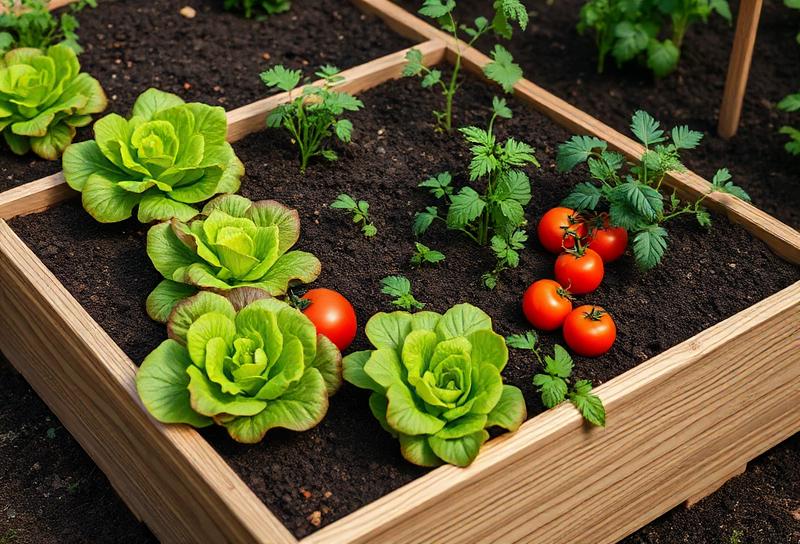
Best Raised Garden Beds for Vegetables
Grow more in less space. Our top picks for raised beds that deliver excellent drainage, durability, and growing results.
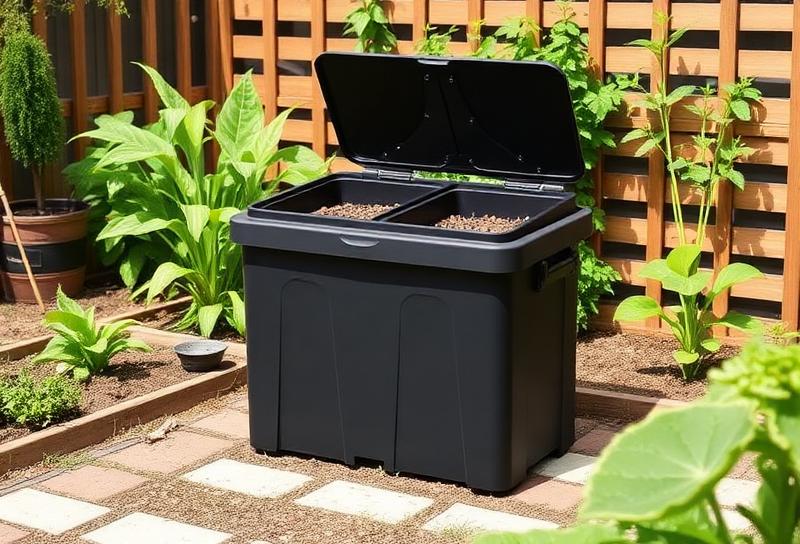
Best Compost Bin UK (2026): Tumblers, Hot Bins & Budget Picks
The best compost bin UK homes can buy in 2026 — turn kitchen scraps into garden-ready compost. We compare tumblers, hot composters and traditional council bins for every budget.
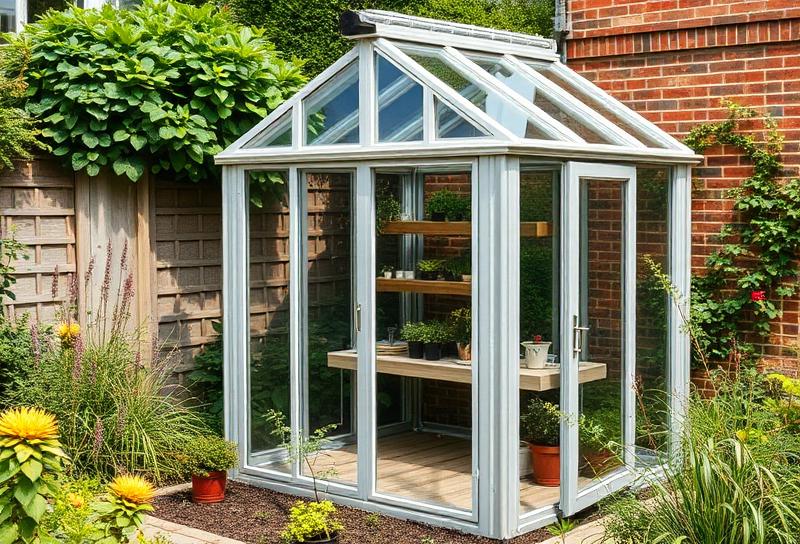
Best Small Greenhouses UK 2026: 7 Picks Under £500
We tested the UK's most popular compact greenhouses through a full British growing season. Honest reviews, real overwintering performance, and the best small greenhouse picks under £500 for tight gardens, patios and balconies.