
How to Get Rid of Moss in Lawn UK: The Weekend Fix That Lasts
Moss in a UK lawn is a symptom, not a disease. Here's the weekend moss removal plan — iron sulphate, scarifying and aeration — plus the four fixes that stop it returning next winter.
This article contains affiliate links. We may earn a commission at no extra cost to you.
Quick Summary
Moss in a UK lawn is a symptom, not a disease. Here's the weekend moss removal plan — iron sulphate, scarifying and aeration — plus the four fixes that stop it returning next winter. Moss in a UK lawn is a symptom, not a disease. Kill it in a weekend with iron sulphate and scarifying — then fix the shade, compaction and scalping that let it in, so it doesn't come back next winter.
Why Moss Takes Over UK Lawns
Every lawn I've ever rescued from moss had the same four things in common: it was mown too short, the soil underneath was compacted, drainage was poor, and it sat in shade for part of the day. Moss doesn't out-compete healthy grass — it moves into the gaps healthy grass has left behind. Our damp, mild UK winters are perfect moss weather: soil stays wet for weeks, grass stops growing from November to March, and moss keeps growing right through. That's why lawns look worst in February. Killing the moss you can see takes a weekend. Stopping it coming back takes one season of doing four things properly, and after that the lawn largely looks after itself.
The Weekend Moss Removal Plan
Day 1 morning — mow at 40mm
Mow on a dry day with the blades high. This exposes the moss without stressing the grass. Collect the clippings — don't leave them sitting on damp moss.
Day 1 afternoon — apply iron sulphate
Apply a lawn sand or ferrous sulphate moss killer at the rate on the pack, ideally with a spreader for even coverage. Do it on damp grass with no rain forecast for 24 hours. Keep it off paths — iron stains paving badly.
Wait 10–14 days
The moss turns black. This is normal and means it's working. Don't rake it yet — dead moss releases more easily and you'll damage less grass by waiting.
Day 14 — scarify
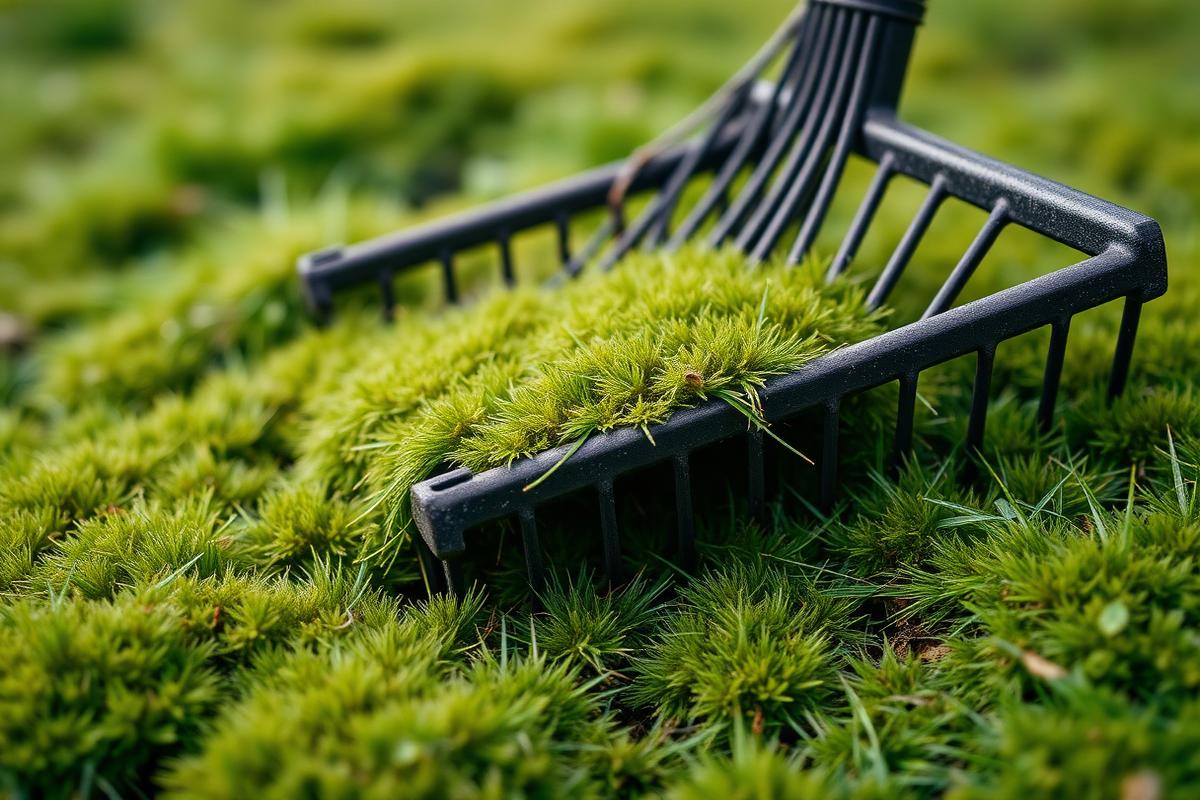
Rake the blackened moss out with a spring-tine rake, or use an electric scarifier for anything over about 50m². Expect a shocking amount of debris — three or four barrow-loads from an average lawn is normal.
Day 14 — aerate
Push a garden fork 10cm into the lawn every 15cm, or use a hollow-tine aerator on heavy clay. This is the step most people skip and it's the one that stops moss returning.
Day 15 — overseed and feed
Sprinkle grass seed over the bare areas, brush in a thin layer of topsoil or compost, and apply a seasonal lawn feed. Water daily for three weeks if it doesn't rain.
The Best Time of Year to Kill Moss in the UK
September — best window
Warm soil, reliable rain and 6–8 weeks of growth left. Moss killing, scarifying and overseeding all work at once. This is the month that fixes lawns.
April — second best
Good for moss killer and light raking, but overseeding is risky if a dry May follows. Don't scarify hard in spring — grass hasn't the reserves to recover fast.
Avoid June–August
Scarifying a drought-stressed lawn opens it to weeds. Moss is dormant anyway, so you'd be treating nothing.
Avoid December–February
Grass isn't growing, so any bare ground you create stays bare — and fills with moss again by spring.
Iron Sulphate vs Natural Moss Control
Ferrous (iron) sulphate is the active ingredient in almost every UK lawn moss killer, including lawn sand and 'feed, weed and mosskill' products. It works by acidifying the moss cell walls — fast, cheap and effective, and it also greens the grass. It's the option I use. Buying ferrous sulphate as a soluble powder and applying it through a knapsack sprayer at roughly 30g per 10 litres per 40m² is a fraction of the cost of branded granules, though granules are easier if you don't own a sprayer. The natural alternatives get asked about constantly. Household soap solutions and baking soda do kill surface moss but strip nothing from the underlying causes, and neither is licensed for lawn use. Pouring boiling water works on patio moss, not lawns. The genuinely effective 'natural' method is mechanical: scarify hard every September, raise the mowing height and aerate. Do those three and you can keep a lawn 95% moss-free without ever buying a chemical.
Stopping Moss Coming Back
- ✓ Raise your mowing height to at least 30mm — scalped grass can't shade moss out
- ✓ Scarify every September, without fail
- ✓ Aerate compacted areas annually, especially clay soils and routes people walk
- ✓ Feed twice a year: high-nitrogen in April, high-potassium in September
- ✓ Thin overhanging branches and raise tree canopies to let more winter light in
- ✓ Improve drainage on boggy areas — top-dress with sharp sand and compost
- ✓ Overseed thin areas with a shade-tolerant fescue mix if the lawn sits under trees
Mistakes That Make Moss Worse
- ✗ Raking moss out before it's dead — live moss fragments re-root and spread
- ✗ Scarifying in a hot, dry spell and leaving bare soil to bake
- ✗ Mowing at 15–20mm because it 'looks tidier' — this is the number one cause of moss
- ✗ Applying moss killer and feed to soaking wet or frozen grass
- ✗ Treating the moss every year but never aerating or fixing drainage
- ✗ Overseeding with cheap ryegrass mixes in a shady garden — use fescue blends instead
The Kit Worth Buying
Three purchases do the heavy lifting: an electric scarifier (Einhell and Bosch models handle an average UK lawn in under an hour and save a full day of raking), a broadcast spreader so moss killer and feed land evenly instead of in stripes, and a bag of ferrous sulphate or a branded lawn sand. Add a hollow-tine aerator if your soil is clay. Our lawn mower buying guides cover the mowers that let you cut high and cleanly — the single biggest long-term moss defence.
Shop Lawn Scarifiers & Moss Killer on AmazonRecommended Buying Guides
Looking for the right products? These guides have you covered:
- Best Robot Lawn Mower UK 2026: 6 Wire-Free Picks Tested
- Best Lawn Mower for Small Garden UK (2026): Top Picks Under £300
- Best Garden Tools for Beginners
"Moss killer treats the symptom. Aeration, autumn scarifying and a 30mm cutting height treat the cause. I've never seen a lawn that got all three and still had a moss problem two years later."
— James Thornton, Home Gardening Pedia
Frequently Asked Questions
What kills moss in a lawn permanently in the UK?
Nothing kills moss permanently on its own — iron sulphate kills the moss present, but it returns unless you fix the cause. The permanent fix is raising the mowing height to 30mm+, scarifying every September, aerating compacted soil, feeding twice a year and reducing shade.
When should I put moss killer on my lawn in the UK?
September is the best month, with mid-April as a second choice. Apply to damp grass on a dry, still day with no rain forecast for 24 hours, and no frost expected.
How long does moss killer take to work?
Iron sulphate blackens moss within 2–7 days, and it's ready to rake out after 10–14 days. Raking earlier spreads live moss fragments.
Should I remove moss before or after applying moss killer?
After. Kill it first, wait until it turns black, then scarify. Removing live moss simply redistributes it across the lawn.
Does scarifying get rid of moss without chemicals?
Yes, if you're thorough and consistent. Hard scarifying every September, combined with aeration, higher mowing and autumn feed, will control moss without any chemical — it just takes two or three seasons rather than two weeks.
Why does my lawn have so much moss after winter?
Grass stops growing below about 6°C but moss keeps growing, so a damp UK winter lets moss colonise every gap. It looks worst in February and improves as grass restarts in March.
Will grass grow back after moss is removed?
Only if you overseed. Moss removal leaves bare soil, and if you don't sow grass seed within a week or two, weeds or fresh moss will fill those gaps instead.
Written by
James Thornton
Tools & Equipment Editor
James tests and reviews garden tools and power equipment. With a background in landscape design, he brings a practical, hands-on approach to every review.
Related Articles
Best Robot Lawn Mower UK 2026: 6 Wire-Free Picks Tested
The best robot lawn mower UK buyers can get in 2026 is wire-free, no-RTK and hedgehog-safe. We tested the Eufy C15 and three alternatives on real UK lawns — honest reviews, coverage limits, and buying advice.
Best Lawn Mower for Small Garden UK (2026): Top Picks Under £300
The best lawn mower for small garden UK shoppers can buy in 2026 — compact, easy to store and tested on real UK lawns. Compare Bosch, Flymo, Einhell and Gardena side by side.
How to Fix Bare Patches in Lawn UK: A Step-by-Step Repair Guide
Bare patches and bare spots in your lawn are frustrating but fixable. Learn the common causes, proven repair steps, and how to prevent bare patches from returning in UK gardens.