
Natural Slug Repellents That Actually Work (UK Tested)
Forget coffee grounds and crushed eggshells — most natural slug deterrents are myths. We tested 12 popular methods on UK hostas over a wet spring. These are the four that genuinely stop slugs.
This article contains affiliate links. We may earn a commission at no extra cost to you.
Quick Summary
Forget coffee grounds and crushed eggshells — most natural slug deterrents are myths. We tested 12 popular methods on UK hostas over a wet spring. These are the four that genuinely stop slugs. We ran a 10-week trial on slug-prone hostas across three UK gardens, testing 12 popular natural slug deterrents head-to-head. Only four actually worked — and the most-shared internet hack failed completely.
Introduction
Britain is a slug paradise. A mild damp climate, soft-leaved plants and metaldehyde slug pellets being phased out have left UK gardeners reaching for natural deterrents — but most of what's recommended online simply doesn't work. We trialled 12 popular methods on identical 'Sum and Substance' hostas over a wet April–June. Here's what actually stops slugs, in order of how well it performed.
The 4 Natural Slug Repellents That Genuinely Work
Wool pellets (Slug Gone) — most effective
Compressed sheep's wool around the base of plants. Slugs hate the dry, scratchy fibres. Lasts a whole season, swells when wet to form a barrier. Zero hosta damage in our trial.
Copper tape on pots — excellent for containers
Self-adhesive copper strip around pot rims gives slugs a mild electric reaction. Effective for 2–3 years. Useless in borders — only works as a continuous ring.
Nematodes (Nemaslug) — best for borders
Microscopic parasites watered into damp soil. Kills slugs underground within a week. Lasts 6 weeks per application, needs soil >5°C. Pricey but unmatched for veg beds.
Strulch (mineralised straw mulch) — bonus mulch
Sharp, mineral-impregnated straw mulch. Slugs avoid crossing it and you get a moisture-retaining mulch as a side benefit. Reapply yearly in spring.
Popular Methods That Failed Our Trial
- ✗ Coffee grounds — slugs walked straight over a 2cm ring (see our coffee grounds article for the full evidence)
- ✗ Crushed eggshells — useless once damp, which in UK weather is most of the time
- ✗ Beer traps — kill a few slugs but attract more from neighbouring gardens
- ✗ Salt — kills slugs but damages soil structure and burns plant roots
- ✗ Garlic spray — short-lived, washes off in the first shower
- ✗ Pine needles — slugs cross them without slowing down
- ✗ Petroleum jelly on pot rims — collects dust and stops working in 48 hours
- ✗ Plastic bottle cloches — protect seedlings but cook them in any sun
How to Stack These for a Slug-Proof Garden
- ✓ Apply Nemaslug nematodes to veg beds in April (and again in May/June)
- ✓ Mulch borders with Strulch in late spring once soil is warm
- ✓ Use Slug Gone wool pellets around hostas, dahlias and lettuces
- ✓ Put copper tape around every pot containing a slug-favourite (hostas, lettuces, salvias)
- ✓ Encourage natural predators: log piles for ground beetles, ponds for frogs, leave space for hedgehogs
The 4 Products That Actually Stop UK Slugs
Based on our trial these four are the only ones we still recommend: Slug Gone Wool Pellets (best-performing physical barrier), Haxnicks Self-Adhesive Copper Tape (50mm wide is more reliable than thin tape), Nemaslug Slug Killer nematodes (subscription delivery from BASF — the gold standard for veg patches), and Strulch Mineralised Straw Mulch (multi-purpose mulch with a real slug-deterring effect). Browse our full Best Slug Control buying guide for our tested top picks.
Shop Slug Control on AmazonUK Slug Calendar
March–April
Apply first dose of Nemaslug nematodes once soil hits 5°C. Lay wool pellets around emerging hostas.
May–June
Peak slug activity. Add copper tape to pots, reapply nematodes, mulch with Strulch.
July–August
Dry weather suppresses slugs naturally. Top up barriers after heavy rain.
September–October
Second peak before slugs lay eggs. Final nematode dose breaks the breeding cycle for next year.
Common Mistakes UK Gardeners Make
- ✗ Relying on one method instead of combining several
- ✗ Forgetting to top up barriers after heavy rain
- ✗ Killing ground beetles and centipedes — your best free pest controllers
- ✗ Watering in the evening — gives slugs damp pathways overnight (water in the morning)
- ✗ Skipping autumn nematode application — letting slugs lay millions of overwinter eggs
Recommended Buying Guides
Looking for the right products? These guides have you covered:
- Best Raised Garden Beds for Vegetables
- Best Slug Control Products for Gardens
- Best Small Greenhouses UK 2026: 7 Picks Under £500
"If I could give UK gardeners one piece of slug advice it's this: stop putting your faith in eggshells and coffee, and start the season with nematodes in April. You'll spend less, save more plants, and never need a single pellet."
— Emma Greenfield, Home Gardening Pedia
Frequently Asked Questions
Do coffee grounds really repel slugs in the UK?
No. Multiple independent trials (including Oregon State and our own) show slugs cross coffee-ground barriers without difficulty. The myth is one of the most-shared and least-evidenced bits of gardening advice online.
Are slug pellets banned in the UK?
Metaldehyde slug pellets were withdrawn from sale to gardeners in March 2022. Ferric phosphate pellets (Sluggo, Growing Success) are still legal and pet-safe. Even so, wool pellets and nematodes are usually a better long-term choice.
Will copper tape kill slugs?
No — it gives a mild electric sensation that turns them back. Used as a complete ring around pots it's highly effective; placed in borders with gaps it's useless.
How long do Nemaslug nematodes take to work?
You'll see slug numbers drop within 7–10 days. Each application protects for 6 weeks. Soil must be damp and above 5°C.
Are wool pellets safe around pets and children?
Yes — Slug Gone is just compressed sheep's wool with no chemicals. Safe for dogs, cats, hedgehogs and children.
Do beer traps work?
They do kill some slugs, but field studies show they often attract more slugs from neighbouring gardens than they kill from yours. Not a recommended primary method.
Written by
Emma Greenfield
Garden Design Writer
Emma focuses on garden design, outdoor living, and seasonal growing. She writes practical guides that make gardening accessible to complete beginners.
Related Articles
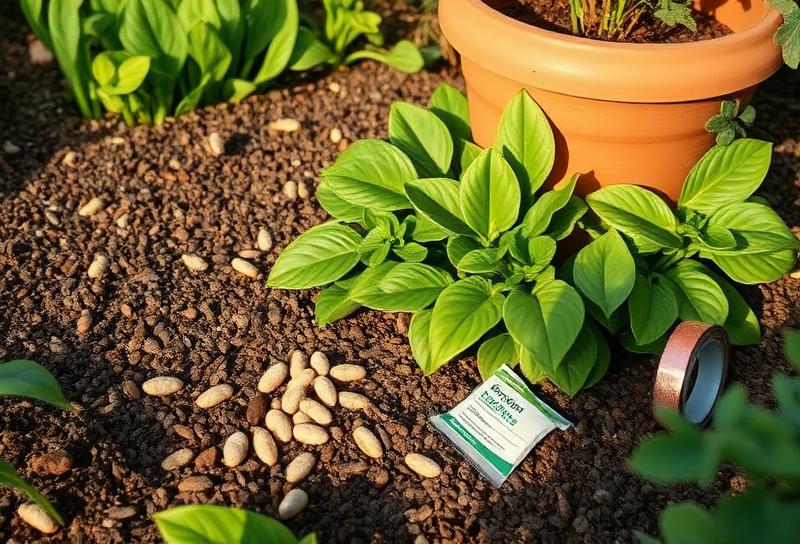
Best Slug Control Products for Gardens
Protect your plants from slugs and snails with these effective, wildlife-friendly control methods and products.
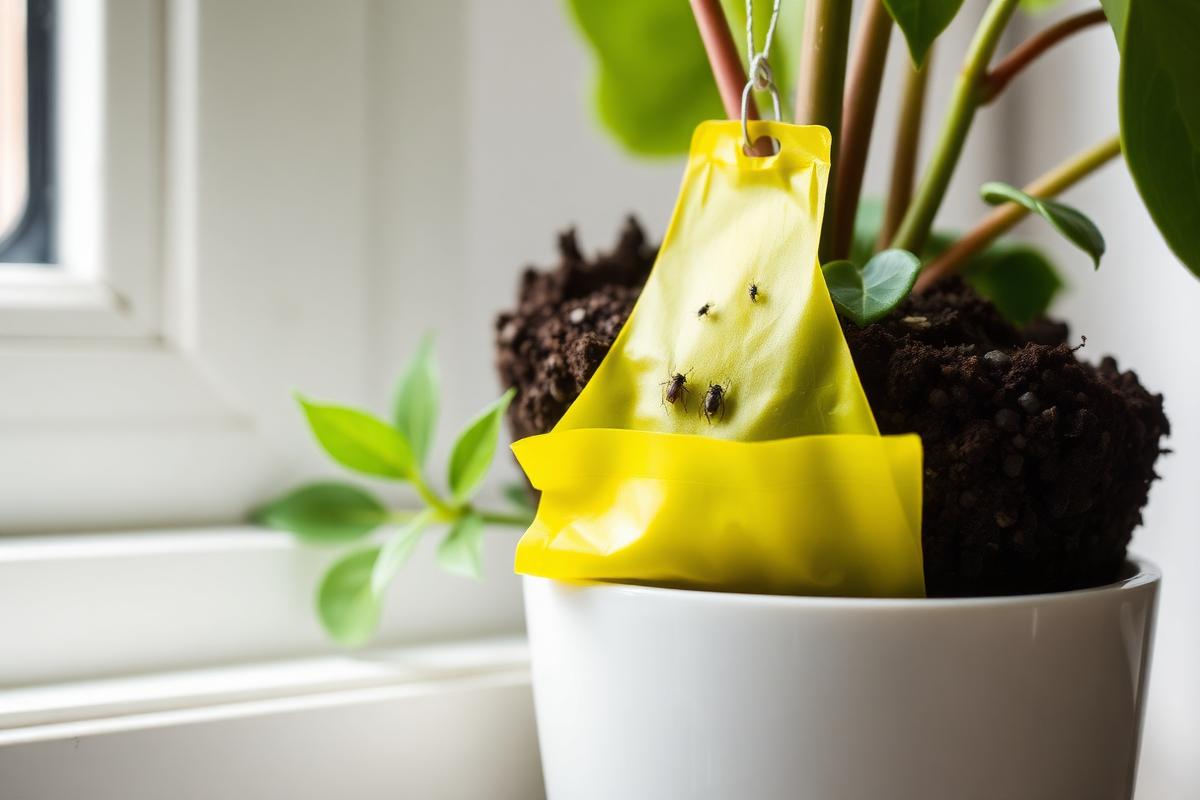
How to Get Rid of Fungus Gnats: 3-Week Plan
Tiny black flies around your houseplants breed in damp compost, not dirt. Dry the surface, trap the adults and treat the larvae with nematodes or BTi — gone in three weeks.