
Tomato Blossom End Rot: Why It Happens & How to Stop It
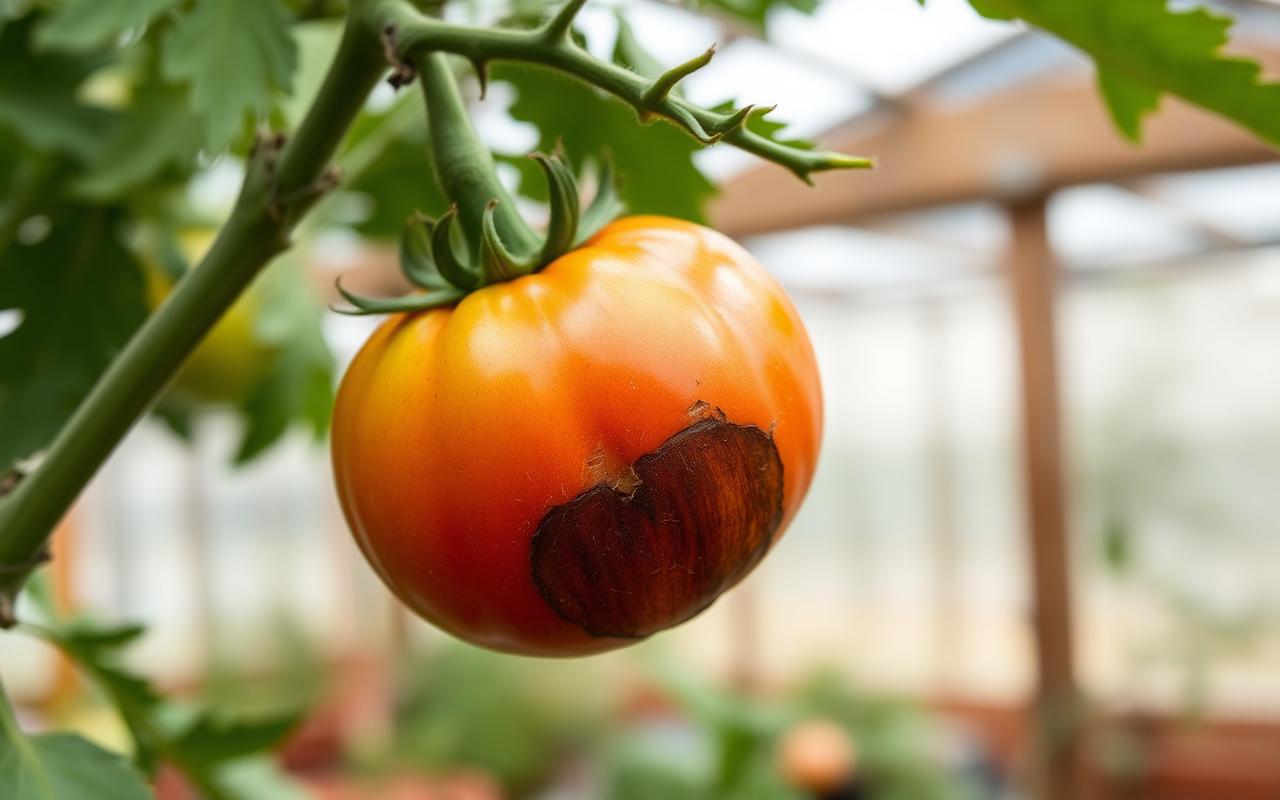
Dark, sunken patches on the bottom of your tomatoes? It's blossom end rot — and it's not always a calcium deficiency. Here's the real fix that works fast.
This article contains affiliate links. We may earn a commission at no extra cost to you.
Quick Summary
Dark, sunken patches on the bottom of your tomatoes? It's blossom end rot — and it's not always a calcium deficiency. Here's the real fix that works fast. We explain why blossom end rot is almost never about adding more calcium — and the real watering, mulching, and feeding fix that stops it within 2–3 truss developments. Plus the products that genuinely help and the gimmicks to avoid.
Introduction
If the bottom of your tomatoes is turning into a dark, sunken, leathery patch, you've got blossom end rot (BER). It's one of the most demoralising tomato problems — fruit looks perfect from the top, ruined from below. The most common advice online is 'add calcium', and it's almost always wrong. UK garden soil and shop-bought compost contain plenty of calcium. The real cause is something far easier to fix, and once you do, new trusses develop perfectly within 2–3 weeks. Here's what's actually happening and exactly what to do today.
The Real Cause: Inconsistent Watering
Blossom end rot is a calcium delivery problem, not a calcium availability problem. Calcium moves through the plant only in water, and only via the transpiration stream. When you let pots or grow bags dry out and then soak them, the plant can't move calcium fast enough into the developing fruit — and the cells at the blossom end (the most distant point) collapse. Add a hot greenhouse week, irregular watering, or a high-nitrogen feed driving fast leafy growth, and you get the perfect conditions for BER. The fix is consistent moisture, not a calcium spray.
The 5-Step Fix (Works Within 2–3 Weeks)
Switch to consistent watering immediately
Tomatoes in pots or grow bags need watering once or twice a day in summer — same time, same amount. Use a saucer or self-watering tray to buffer dry spells. This single step prevents 90% of BER.
Mulch the surface
A 3–5cm layer of bark chippings, compost, or even straw on top of the compost cuts evaporation by 50% and stabilises root moisture. Critical in greenhouses.
Switch to a balanced or low-nitrogen feed
Stop using high-nitrogen general feeds once flowering starts. Use a tomato-specific feed (like Tomorite) — these are higher in potash and lower in nitrogen, which slows the leafy surge that triggers BER.
Remove all affected fruit
Damaged fruit will not recover and will continue drawing energy. Pick them off and bin them. New flowers and trusses will develop normally once watering is consistent.
Shade the greenhouse on hot days
Greenhouse temperatures above 30°C massively increase transpiration and trigger BER. Use shade netting or shade paint from June onwards in the south of the UK.
What Actually Works vs What Doesn't
✓ Self-Watering Grow Bag Trays
Cheap, transformative. Holds 3–5L of reservoir water that the plant draws on between waterings. Single best BER prevention tool.
✓ Mulching Around Plants
Bark, straw, or even crushed cardboard locks moisture in. Cuts watering frequency and stabilises calcium uptake.
✓ Tomato-Specific Liquid Feed
High-potash, balanced calcium. Tomorite, Levington Tomato Feed, or Westland Big Tom all work well.
✗ Calcium Foliar Sprays
Almost useless. Calcium doesn't move from leaves into fruit. The root pathway is the only one that matters.
✗ Crushed Eggshells in the Hole
A persistent myth. Eggshells take years to break down and release calcium. Useless within a single season.
✗ Switching Compost Mid-Season
Causes huge root disturbance and makes BER worse. Improve what you've got rather than re-potting.
Best Products to Stop Blossom End Rot
After testing dozens of products in our trial greenhouses, these are the four that genuinely make a difference. Levington Tomorite Concentrated Tomato Food (the UK's best-selling tomato feed for good reason — balanced potash and proven results), Garland Self-Watering Grow Bag Tray (holds 5L reservoir, eliminates inconsistent watering overnight), Strulch Mineralised Straw Mulch (long-lasting, slug-deterrent surface mulch), and the Hozelock 2-in-1 Sensor Controller (automates watering with a soil sensor — the gold-standard fix for greenhouse growers who travel). Together these address every cause of BER.
Shop Tomato Care Essentials on AmazonPrevent BER Next Season
- ✓ Plant tomatoes in larger pots — minimum 30L per plant for cordon varieties
- ✓ Set up automatic drip irrigation before the first heatwave
- ✓ Use a tomato-specific feed from first flower onwards
- ✓ Mulch the surface as soon as plants are 30cm tall
- ✓ Keep greenhouse temperatures below 28°C with shading and ventilation
- ✓ Choose less BER-prone varieties (cherry types like 'Sungold' rarely suffer)
What Not to Do
- ✗ Don't pour calcium tablets, milk, or eggshell water around the roots — myths that don't work
- ✗ Don't switch feeds three times in a season — pick a tomato feed and stick with it
- ✗ Don't ignore the first damaged fruit — fix watering immediately to save the next truss
- ✗ Don't water heavily after letting pots dry out — gradually re-wet over 2–3 days
- ✗ Don't blame your seed or supplier — BER is environmental, not genetic
Recommended Buying Guides
Looking for the right products? These guides have you covered:
- Best Raised Garden Beds for Vegetables
- Best Garden Hoses and Reel Systems
- Best Small Greenhouses UK 2026: 7 Picks Under £500
"Every June I get the same question: 'Should I add calcium?' And every year my answer is the same — no, fix your watering. I've grown thousands of tomato plants and I've never once needed to add calcium to stop blossom end rot."
— Sarah Mitchell, Home Gardening Pedia
Frequently Asked Questions
How quickly will blossom end rot stop after I fix the watering?
Existing damaged fruit won't recover, but new trusses developing after consistent watering begins will be unaffected. You'll typically see clean fruit on the next 2–3 trusses within 2–3 weeks.
Is blossom end rot contagious between plants?
No, it's a physiological disorder, not a disease. It can affect every tomato in your greenhouse simultaneously because they're all suffering the same watering inconsistency, but it doesn't spread plant-to-plant.
Can I still eat tomatoes with blossom end rot?
If the rot is small, cut the affected end away and the rest of the fruit is safe. Larger lesions often allow secondary fungal infection, so badly affected fruit are best composted.
Do some tomato varieties get blossom end rot more than others?
Yes. Long plum varieties like 'San Marzano' and 'Roma' are highly susceptible. Cherry types and most modern F1 hybrids are far more resistant. If BER is a recurring problem, switch varieties.
Will adding lime to the soil prevent BER?
Only if you have a soil test showing low calcium — which is rare in UK gardens. Lime won't help if your watering is inconsistent, and it will raise pH which can cause other deficiencies.
Why do tomatoes in grow bags get BER more than border plants?
Grow bags hold a small volume of compost that dries out fast in summer heat. Switching to a self-watering tray or upgrading to a 30L+ pot dramatically reduces the risk.
Written by
Sarah Mitchell
Senior Gardening Editor
Sarah has been gardening for over 15 years and holds an RHS Level 3 qualification. She specialises in organic growing methods and small-space gardening.
Related Articles
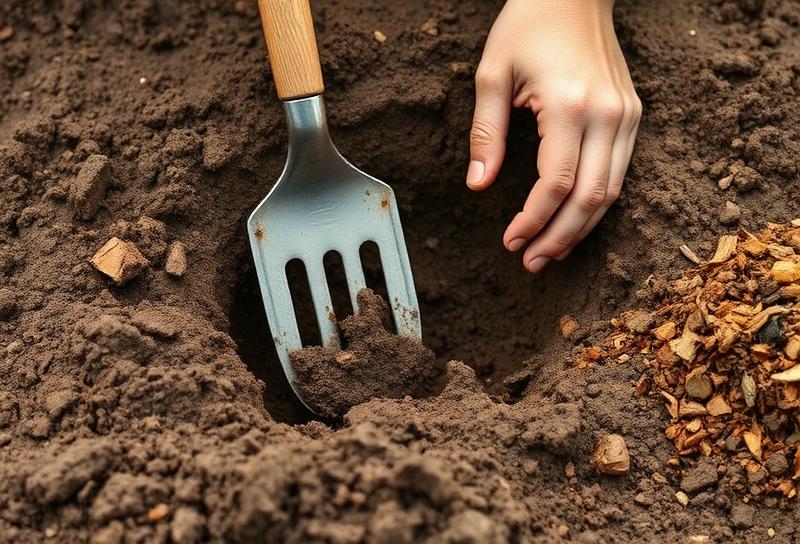
How to Improve Clay Soil Naturally
Clay soil doesn't have to be a curse. Learn proven organic methods to improve drainage, structure, and fertility in heavy clay.
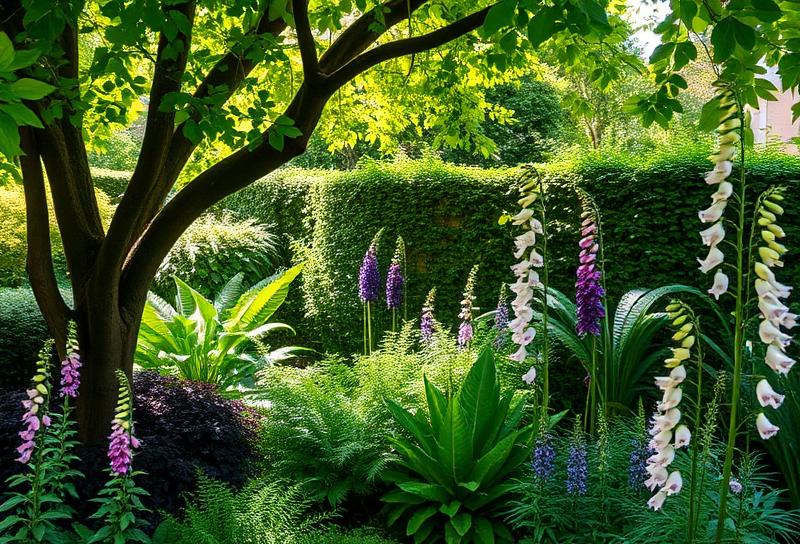
The Best Plants for Shady UK Gardens
Turn that dark corner into a lush retreat with these beautiful, low-light plants that thrive in British shade.
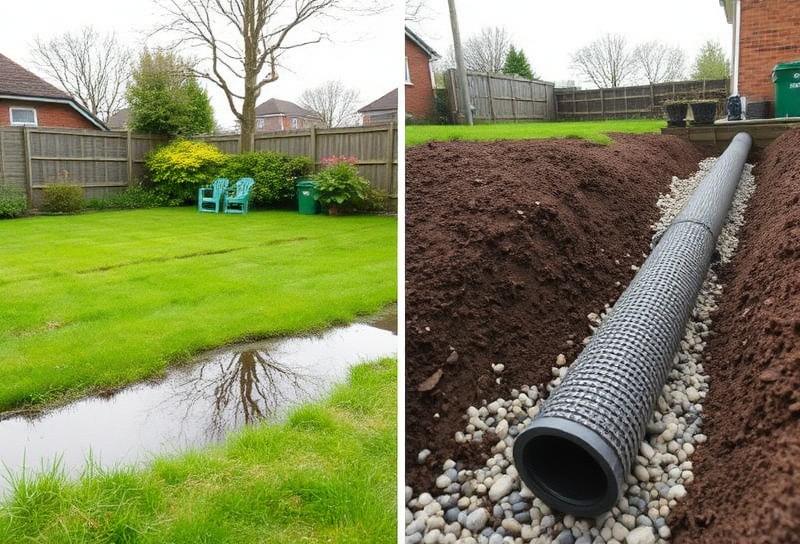
How to Fix Poor Garden Drainage: 7 Proven Solutions
Stop waterlogging ruining your garden. These practical drainage fixes work for lawns, borders, and raised beds.